Gluten free near me is a crucial concern for individuals with gluten sensitivities or celiac disease, and navigating local options requires careful consideration. Understanding the benefits of gluten-free diets, identifying gluten-free options when dining out, and exploring the history of gluten-free diets can help individuals make informed decisions about their dietary needs.
Gluten-free diets have become the cornerstone of treatment for individuals suffering from celiac disease, focusing on improved digestion and reduced inflammation. By learning about gluten-free options and the importance of reading labels and asking questions, individuals can make informed choices about their diet and overall health.
The Benefits of Gluten-Free Diets for Those with Celiac Disease
Gluten-free diets have become the cornerstone of treatment for individuals suffering from celiac disease. This condition is an autoimmune disorder that affects the small intestine and can cause severe gastrointestinal symptoms, ranging from diarrhea and abdominal pain to weight loss and fatigue. The primary challenge lies in managing the disease through dietary changes, making a gluten-free diet essential for those affected.
Celiac disease occurs when the body’s immune system reacts to gluten, a protein found in wheat, barley, and rye. When gluten enters the body, it can cause the immune system to mistake it for a foreign invader and trigger an inflammatory response. This reaction can damage the lining of the small intestine, leading to malabsorption of nutrients.
The Impact of Gluten on Celiac Disease
Gluten’s role in celiac disease is multifaceted. Firstly, it triggers the immune system’s response, leading to inflammation in the gut. This inflammation can cause damage to the intestinal lining, which in turn impairs nutrient absorption. Secondly, gluten can cause the immune system to produce antibodies that attack the intestinal lining, further exacerbating the condition.
Gluten’s impact on celiac disease can be seen in various ways:
- Damage to the small intestine: The immune system’s reaction to gluten can cause damage to the villi, small finger-like projections in the small intestine responsible for nutrient absorption.
- Malabsorption of nutrients: With the intestinal lining damaged, nutrients can pass through without being absorbed, leading to deficiencies and related health issues.
- Increased risk of complications: Untreated celiac disease can increase the risk of complications such as anemia, osteoporosis, and certain types of cancer.
- Development of associated conditions: Some individuals with celiac disease may also develop conditions like rheumatoid arthritis, type 1 diabetes, and lupus.
Benefits of a Gluten-Free Diet
A gluten-free diet is the primary treatment for celiac disease. By avoiding gluten, individuals can:
- Prevent further intestinal damage: Eliminating gluten can help prevent further damage to the small intestine and reduce the risk of complications.
- Achieve better nutrient absorption: A gluten-free diet can help the body absorb nutrients more effectively, reducing the risk of malnutrition and related health issues.
- Manage symptoms: A gluten-free diet can help alleviate symptoms such as diarrhea, abdominal pain, and fatigue, improving overall quality of life.
- Reduce risk of complications: By following a strict gluten-free diet, individuals can reduce their risk of developing associated conditions and complications.
Following a gluten-free diet requires careful planning and attention to detail. Individuals with celiac disease should work closely with a healthcare professional or registered dietitian to ensure they are receiving the necessary nutrients for optimal health.
Exploring the History of Gluten-Free Diets
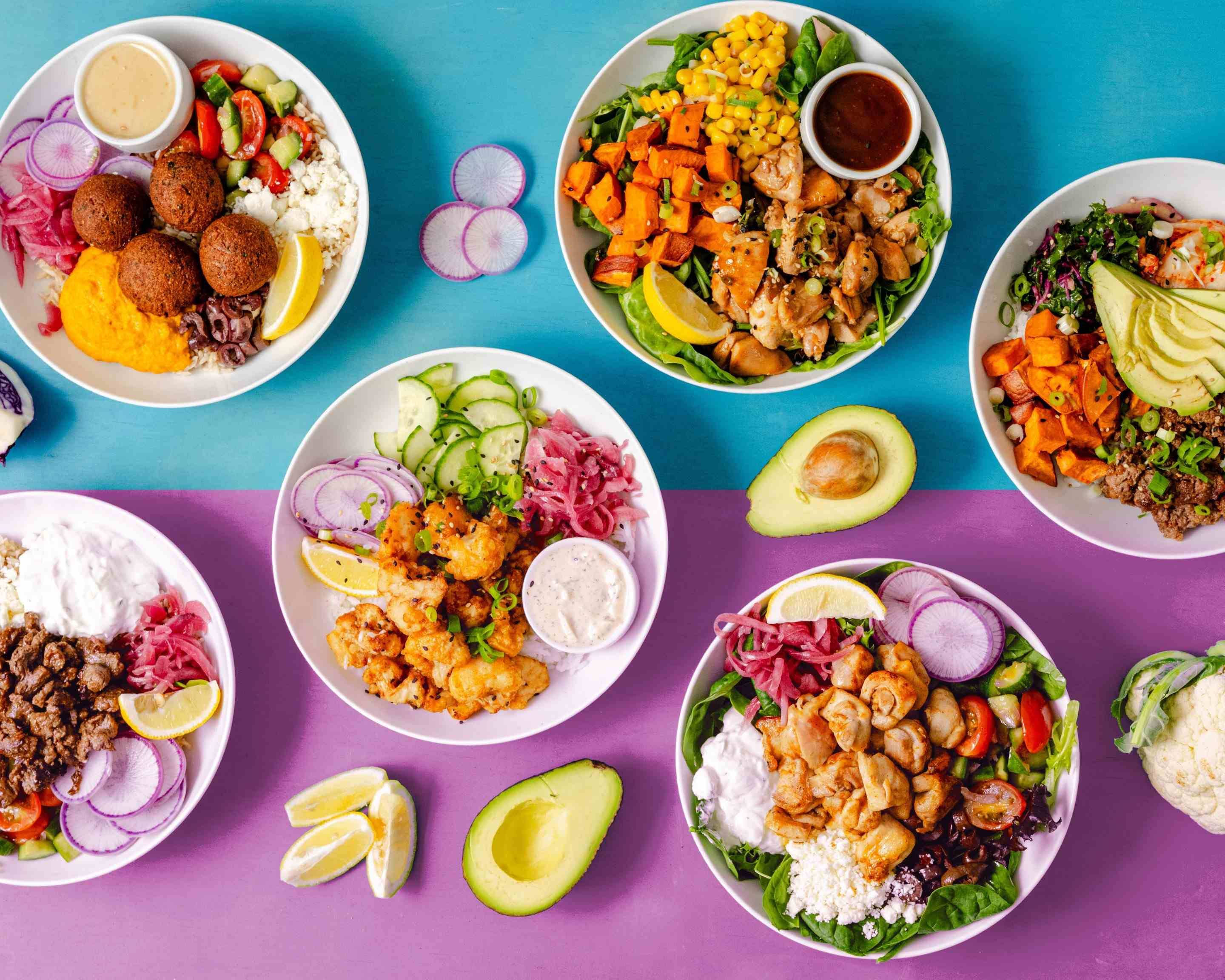
Gluten-free diets have been a part of human culture for thousands of years, with various societies and cuisines incorporating alternative grains and staples into their daily lives. From ancient Egyptian bread made from emmer wheat to modern-day gluten-free bread made from rice and other grains, the pursuit of a healthy and fulfilling dietary lifestyle has guided human innovation in the pursuit of suitable food alternatives.
The earliest recorded evidence of gluten-free diets dates back to ancient Egypt and Greece, where people with gluten intolerance or sensitivity avoided consuming wheat, barley, and rye. In addition to these ancient civilizations, many indigenous cultures around the world have traditionally adhered to gluten-free diets, often due to geographical and cultural factors.
The Ancient Practice of Gluten-Free Diets
- Gluten-free rice porridge was a staple food in ancient China, providing a vital source of nutrients for the people.
- Many indigenous cultures around the world, such as the Inuit and the Aboriginals, traditionally consumed diets rich in gluten-free foods, such as seafood, meats, and wild fruits.
- The ancient Greek physician Hippocrates is believed to have recommended a gluten-free diet for patients with bowel issues, emphasizing the importance of dietary habits in maintaining health.
- In the 18th century, the famous Scottish physician William Buchan also advocated for a gluten-free diet for patients with digestive problems, underscoring the significance of dietary modification in treating various health conditions.
The Modern Phenomenon of the Gluten-Free Movement
The modern gluten-free movement gained significant momentum in the late 20th century, driven by increased awareness of celiac disease, gluten intolerance, and the rise of celebrity endorsements. This movement has led to a significant shift in the food industry, with major corporations investing heavily in gluten-free product development and marketing.
As a result, the gluten-free market has grown exponentially, with sales exceeding $12 billion in 2020. The trend has also influenced consumer behavior, with many people opting for gluten-free diets not necessarily due to medical necessity but as a lifestyle choice.
Impact on Industry and Consumer Trends
The gluten-free movement has had a profound impact on the food industry, driving innovation and investment in new product development. Major companies have launched gluten-free lines, and specialized gluten-free bakeries and cafes have popped up in urban centers.
Additionally, consumer trends have shifted, with many people embracing gluten-free diets as a lifestyle choice, citing health, wellness, and environmental concerns. This trend has also led to increased competition among food companies, with some opting to use the term ‘gluten-reduced’ or ‘gluten-restricted’ instead of ‘gluten-free’ to meet consumer demand.
Creative Gluten-Free Substitutions in Cooking
When adapting to a gluten-free diet, finding suitable substitutes for traditional gluten-containing ingredients can be a challenge. Gluten-free pasta alternatives, in particular, often struggle to replicate the texture and taste of their wheat-based counterparts. In this section, we will delve into the realm of creative gluten-free substitutions, focusing on a recipe for a gluten-free pasta substitute made from a combination of rice flour and tapioca starch.
Recipe: Gluten-Free Pasta Substitute
This recipe combines the benefits of rice flour and tapioca starch to create a gluten-free pasta substitute that closely mimics the taste and texture of traditional pasta. To make this substitute, you will need the following ingredients:
- 1 cup of rice flour
- 1/2 cup of tapioca starch
- 1 egg, beaten
- 1/4 teaspoon of salt
- Water, as needed
Begin by combining the rice flour and tapioca starch in a large mixing bowl. Gradually add the beaten egg and mix until a dough forms. Add the salt and continue mixing until the dough is smooth and pliable. If the dough is too dry, add a small amount of water to achieve the right consistency.
Knead the dough for approximately 10 minutes, until it becomes smooth and elastic. Wrap the dough in plastic wrap and let it rest for at least 30 minutes. Divide the dough into four equal parts and roll out each portion into a thin sheet using a pasta machine or a rolling pin. Cut the sheets into long, thin noodles and cook them in boiling, salted water for 2-3 minutes or until they float to the surface.
Gluten-Free Pasta Alternatives
Gluten-free pasta alternatives come in a variety of forms, each with its unique characteristics and uses in different dishes. Some of the most common types include:
- Zucchini noodles (zoodles): Shredded zucchini can be spiralized or grated to create a low-carb, gluten-free pasta alternative. Zoodles can be used in a variety of Asian-style dishes or as a base for pasta sauces.
- Spaghetti squash: This type of squash can be cooked and shredded to create a low-carb, gluten-free pasta alternative. Spaghetti squash can be used in place of traditional pasta in carbonara, bolognese, or other pasta sauces.
- Rice-based pasta: Made from rice flour and water, rice-based pasta is a popular gluten-free alternative that can be used in a variety of Asian-style dishes. It has a mild flavor and a texture similar to traditional pasta.
- Cassava-based pasta: Made from cassava root, this gluten-free pasta alternative has a neutral flavor and a texture similar to traditional pasta. It is a popular choice for those with severe gluten intolerance.
Each of these alternatives has its own unique characteristics and uses, allowing you to experiment with different flavors and textures in your gluten-free cooking.
Taste and Texture Comparison
When comparing the taste and texture of gluten-free pasta alternatives to traditional pasta, it is essential to note that each alternative has its unique characteristics. Gluten-free pasta alternatives can range from neutral-tasting to rich and nutty, depending on the ingredients used. In terms of texture, some alternatives can be slightly more brittle or prone to breaking than traditional pasta, while others have a similar texture to traditional pasta.
Gluten-free pasta alternatives can be used in a variety of dishes, from traditional pasta sauces to Asian-style stir-fries. Experimenting with different gluten-free pasta alternatives can help you find the one that works best for you and your cooking style.
Uses in Different Dishes
Gluten-free pasta alternatives can be used in a variety of dishes, each with its unique flavor and texture profile. Here are a few examples of how you can use these alternatives:
- Pasta sauces: Traditional pasta sauces, such as carbonara or bolognese, can be adapted to use gluten-free pasta alternatives.
- Asian-style stir-fries: Gluten-free pasta alternatives can be used in place of traditional pasta in stir-fries, with ingredients such as vegetables, meat, or seafood.
- Salads: Gluten-free pasta alternatives can be used in place of traditional pasta in salads, with ingredients such as vegetables, nuts, or cheese.
- Pasta bakes: Gluten-free pasta alternatives can be used in place of traditional pasta in pasta bakes, with ingredients such as vegetables, meat, or cheese.
In each of these dishes, the gluten-free pasta alternatives can help to create a unique flavor and texture profile that is distinct from traditional pasta.
The Science Behind Gluten Allergy Intolerance
Gluten allergy intolerance is a complex condition that affects millions of people worldwide. Research has shown that gluten, a protein found in wheat, barley, and rye, can cause a range of symptoms from mild to severe. In this article, we will delve into the science behind gluten allergy intolerance, exploring the concept of leaky gut syndrome and its relation to gluten intolerance.
The Gut-Segmentation Hypothesis suggests that the gut lining is divided into distinct regions, each with its own unique characteristics and functions. Gluten proteins can cause damage to the gut lining, leading to the breakdown of this segmentation and the formation of ‘leaky gut syndrome’. This phenomenon allows toxins and undigested food particles to pass through the gut wall, triggering an autoimmune response and exacerbating symptoms of gluten intolerance.
The Differences Between Gluten Sensitivity and Celiac Disease, Gluten free near me
Gluten sensitivity and celiac disease are often confused with one another. However, they are distinct conditions with different underlying mechanisms.
* Gluten Sensitivity: This is a type of intolerance that does not involve an autoimmune response. Individuals with gluten sensitivity may experience symptoms such as bloating, abdominal pain, and diarrhea after consuming gluten-containing foods. Research suggests that gluten sensitivity may be related to issues with gut motility and permeability, leading to an increased risk of symptoms.
* Celiac Disease: This is a chronic autoimmune disorder caused by the ingestion of gluten. It leads to damage in the small intestine, impairing nutrient absorption and causing a range of systemic symptoms. Celiac disease is characterized by an abnormal immune response to gluten, leading to the production of autoantibodies and inflammation in the gut.
Research has shown that the prevalence of gluten sensitivity and celiac disease is increasing, particularly in developed countries. A study published in the Journal of the American Medical Association found that the incidence of celiac disease had increased by 400% over the past 50 years.
Implications for Gluten-Free Dieting
Given the complexities of gluten allergy intolerance, it is essential to adopt a tailored approach to gluten-free dieting. For individuals with celiac disease, a strict gluten-free diet is the only treatment option, as it is the only way to prevent further damage to the gut lining. In contrast, individuals with gluten sensitivity may benefit from a reduction in gluten intake or the adoption of a low-FODMAP diet.
Recent studies have highlighted the importance of personalized nutrition in managing gluten-related disorders. A study published in the Journal of Clinical Gastroenterology found that a tailored gluten-free diet improved symptoms and quality of life in 80% of individuals with non-celiac gluten sensitivity.
For those considering a gluten-free diet, it is essential to consult with a healthcare professional or registered dietitian to determine the best course of action. With the increasing prevalence of gluten-related disorders, a balanced and informed approach to gluten-free dieting is more crucial than ever.
Research has also shown that a well-planned gluten-free diet can be rich in essential nutrients, including vitamins, minerals, and fiber. A study published in the Journal of Nutrition found that a gluten-free diet can be tailored to meet the nutritional needs of individuals with celiac disease, reducing the risk of nutrient deficiencies.
Exploring the Global Availability of Gluten-Free Products

Gluten-free products have become increasingly popular worldwide in recent years, catering to the needs of individuals with gluten-related disorders, such as celiac disease. However, the availability and variety of gluten-free products differ significantly across countries, reflecting local demand, cultural preferences, and socioeconomic factors.
The global market for gluten-free products is vast and diverse, with countries such as the United States, Canada, and Australia leading the way in terms of product variety and marketing. However, many developing countries still struggle to provide access to gluten-free products, due to limited economic resources, inadequate infrastructure, and a lack of awareness about gluten-related disorders.
Cultural Context and Community Support
The cultural context plays a significant role in shaping the perception and adoption of gluten-free diets. In some cultures, gluten-containing grains like wheat, barley, and rye are staples, and switching to gluten-free alternatives can be a daunting task. Community support, including education and resources, is crucial in helping individuals navigate this transition.
-
In many Asian cultures, rice is a staple food, making it easier for individuals with gluten intolerance to adopt a gluten-free diet. In contrast, in European countries like Italy and France, where bread is deeply ingrained in the culture, adopting a gluten-free diet can be more challenging.
-
Community-led initiatives, such as cooking classes, support groups, and online forums, have emerged to help individuals with gluten intolerance connect with others who share similar experiences and concerns.
-
Farmers’ markets and specialty stores have become crucial hubs for gluten-free product availability, allowing consumers to access a wider range of products and connect with producers who understand their needs.
Trends and Disparities
The availability and variety of gluten-free products differ significantly across countries and regions, reflecting local demand, cultural preferences, and socioeconomic factors.
-
Countries with a strong gluten-free market, like the United States, have seen a proliferation of gluten-free product options, including certified gluten-free products and restaurant chains.
-
Developing countries, such as those in Africa and Southeast Asia, often struggle to provide access to gluten-free products, due to limited economic resources and inadequate infrastructure.
-
The Middle East and North Africa have seen a significant increase in gluten-free product availability, driven by growing awareness about gluten-related disorders and demand for healthier lifestyle options.
Accessibility and Availability
Accessibility and availability of gluten-free products vary greatly across countries and regions.
-
In many countries, gluten-free products are expensive and inaccessible to low-income households, making it difficult for individuals with gluten intolerance to maintain a gluten-free diet.
-
Government initiatives, such as labeling requirements and subsidies, have helped make gluten-free products more accessible and affordable for consumers in certain countries.
Last Recap: Gluten Free Near Me

In conclusion, finding gluten-free options near you involves understanding the benefits of gluten-free diets, identifying gluten-free options when dining out, and exploring the history of gluten-free diets. With careful consideration and a focus on nutrition, individuals with gluten sensitivities or celiac disease can navigate local options and make informed decisions about their dietary needs.
Question Bank
What are some common gluten-free grains?
Examples include rice, quinoa, corn, and gluten-free oats.
Can individuals with celiac disease consume gluten-free products made in facilities that also process gluten-containing grains?
It is generally recommended to avoid consuming products made in shared facilities to minimize the risk of cross-contamination.
How can individuals with gluten sensitivity or celiac disease ensure they are getting enough nutrients on a gluten-free diet?
Consult with a healthcare professional or registered dietitian to develop a personalized plan for meeting nutritional needs on a gluten-free diet.

