Best coffee near me sets the stage for this enthralling narrative, offering readers a glimpse into a story that is rich in detail and brimming with originality from the outset. Discovering charming coffee shops in your local surroundings, the art of coffee roasting, and the intersection of coffee and food are all part of this captivating journey that uncovers the world of specialty coffee, sustainable sourcing, and coffee culture.
The evolution of specialty coffee in metropolitan cities, the role of community coffee shops in fostering local connections, and the significance of roast level in determining coffee flavor and aroma are all intricately woven into a rich tapestry that explores the complex nuances of coffee.
Discovering Cozy Coffee Shops in Your Neighborhood
Coffee shops have long been a staple of urban communities, providing a welcoming space for locals and visitors alike. However, the experience of discovering a charming coffee shop in your neighborhood is more than just a quick caffeine fix; it’s an opportunity to connect with the community that surrounds you. As a bonus, proximity plays a crucial role in shaping the coffee-drinking experience, as the right coffee shop can become an integral part of your daily routine.
Contribution to Neighborhood Character
Community coffee shops, in particular, contribute to the unique character of a neighborhood in many ways. The following points demonstrate their importance:
- The Hub for Local Events: Coffee shops often serve as the central gathering point for community events, such as live music nights, art exhibits, or book club meetings. The diversity of these events fosters a sense of inclusivity and social cohesion within the neighborhood.
- Employment Opportunities: Community coffee shops frequently hire local residents, creating job opportunities that inject money into the local economy. This, in turn, supports small businesses in the area.
- Cultural Exchange: Coffee shops often attract people from diverse backgrounds, offering a space for individuals to share experiences, traditions, and stories. The eclectic atmosphere encourages cross-cultural understanding and appreciation.
The Role of Community Coffee Shops Beyond Coffee Service
While providing excellent coffee is a key part of a community coffee shop’s appeal, their value extends far beyond this aspect. These establishments can:
- Act as incubators for new ideas: Many community coffee shops provide space for local artists, writers, or entrepreneurs to develop their projects. The relaxed atmosphere and supportive community enable individuals to experiment and innovate.
- Facilitate Community Engagement: Through partnerships, sponsorships, and collaborations, community coffee shops can mobilize community efforts, supporting local charities, and engaging in social causes.
- Offer a Sense of Belonging: By fostering a strong sense of community, coffee shops can make newcomers feel welcomed and included. Regular customers often develop close relationships with baristas and other patrons, creating a lasting connection to the space.
In summary, the appeal of discovering cozy coffee shops in your community is about more than just getting your daily dose of caffeine. It’s about being part of a vibrant community that shares values, fosters creativity, and nurtures relationships. When you support local coffee shops, you’re supporting the very heart of the neighborhood, where people come together to make a difference.
Factors Influencing Coffee Quality
Finding the perfect cup of coffee is a matter of precision and attention to detail. Baristas and coffee connoisseurs carefully consider several factors to ensure a rich, full-bodied brew that delights the senses. The origin of the coffee bean, the roast level, and the brewing method are all crucial elements that contribute to the ultimate coffee experience.
Bean Origin
The origin of the coffee bean significantly impacts the flavor profile of the coffee. Different regions produce beans with unique characteristics shaped by factors such as climate, soil, and processing methods. The distinctive flavor profiles of Arabica and Robusta beans are a testament to the importance of origin. Arabica beans, for example, are known for their delicate acidity and rich flavor notes, while Robusta beans offer a bolder, more bitter taste. When selecting high-quality coffee beans, consider the region and specific producer to ensure an authentic flavor experience.
Roast Level
The roast level of the coffee bean is another critical factor that affects the final cup. Roasting transforms the bean’s chemical composition, releasing volatile compounds that influence the aroma, flavor, and texture. Lighter roasts typically retain more of the bean’s fruity and floral notes, while darker roasts emphasize the smoky and bitter flavors. The ideal roast level depends on personal taste preferences, with some enthusiasts swearing by the bold flavors of deeply roasted beans and others appreciating the subtle nuances of lighter roasts.
Brewing Method
The brewing method is the final stage in the coffee-making process, where the coffee beans meet hot water to create the perfect cup. Various brewing techniques have emerged, each with its unique advantages and disadvantages. From the traditional pour-over to the modern cold brew, every method impacts the flavor and texture of the coffee. A knowledgeable barista understands the intricacies of brewing and carefully selects the method to complement the bean origin and roast level, optimizing the extraction and creating a balanced flavor experience.
Barista Expertise
A skilled barista possesses the knowledge and skills to enhance the coffee experience, transforming even mediocre beans into a masterpiece. Balancing the roast level, origin, and brewing method, a seasoned barista carefully crafts each cup to delight the senses. With precision and attention to detail, they extract the optimal flavors, textures, and aromas, ensuring a memorable coffee experience. Whether creating a classic espresso or an elaborate pour-over, a skilled barista elevates the coffee experience to new heights.
From Bean to Cup: A Journey Through Sustainable Sourcing

Sustainable coffee sourcing has become an essential aspect of the global coffee industry. As concern for the environment and social justice grows, coffee producers and consumers alike are increasingly prioritizing environmentally friendly practices throughout the entire supply chain. This shift towards sustainability not only benefits the planet but also empowers farmers and communities involved in coffee production.
Challenges of Sustainable Coffee Sourcing
The transition to sustainable coffee sourcing is hindered by several challenges, including:
- High upfront costs: Implementing sustainable practices can be expensive, making it difficult for small-scale farmers to invest in environmentally friendly technologies and methods.
- Limited market demand: While the demand for sustainable coffee is increasing, it still lags behind conventional coffee, making it challenging for farmers to access premium prices that reflect the added value of sustainable production.
- Complexity of certification: The various sustainability certifications available can be confusing, and the certification process itself can be costly and time-consuming.
- Lack of transparency: In some cases, companies may claim to source sustainable coffee without providing evidence or transparency about their supply chain practices.
Farmers and Producers Embracing Sustainability
Despite these challenges, many farmers and producers are actively working to improve coffee sustainability. They are experimenting with innovative practices such as:
- Agroforestry: Planting trees alongside coffee crops to promote biodiversity and reduce soil erosion.
- Shade-grown coffee: Growing coffee under a canopy of trees to maintain ecosystem services and reduce the use of synthetic fertilizers and pesticides.
- Organic farming: Avoiding synthetic chemicals and promoting soil health through natural methods.
- Coffee cooperatives: Collaborating with other farmers to improve access to markets, training, and resources.
The Role of Coffee Cooperatives
Coffee cooperatives play a vital role in supporting sustainable coffee production. These organizations bring together small-scale farmers to pool their resources, share knowledge, and collectively market their coffee. By working together, farmers can:
- Access better prices: Cooperatives can negotiate higher prices for their members’ coffee, ensuring they receive a fair return for their efforts.
- Improve quality: Cooperatives can provide training and technical assistance to help farmers improve their coffee quality and meet export standards.
- Invest in sustainability: Cooperatives can invest in infrastructure, technology, and practices that support environmental and social sustainability.
Initiatives Promoting Sustainable Coffee Sourcing
Several initiatives are actively working to promote sustainable coffee sourcing. These include:
- The Rainforest Alliance: A non-profit organization that sets standards and certifies farms that meet rigorous sustainability criteria.
- Fairtrade: An international certification that ensures farmers receive a fair price for their coffee and adhere to social and environmental standards.
- The Sustainable Coffee Alliance: A coalition of companies, NGOs, and experts working together to promote sustainability throughout the coffee supply chain.
Sustainable coffee production is not just a moral imperative but also a business opportunity. By prioritizing environmental and social sustainability, coffee companies can differentiate themselves in the market, reduce their costs, and build a more resilient supply chain.
Coffee Culture Around the World: Traditional Methods and Treats
From the vibrant streets of Italy to the tranquil cafes of Japan, coffee culture has evolved into a rich tapestry of traditions, each reflecting the unique history and values of its people. Whether it’s the strong espresso of Europe or the slow-drip coffee of the Americas, every culture has its unique way of brewing and savoring the world’s most popular beverage.
Traditional Coffee Drinks from Around the World
In many cultures, coffee is not just a drink, but an integral part of the social and ritual fabric of everyday life. From the ceremonial coffee ceremonies of Ethiopia to the coffee-filled cafes of Europe, each country has its unique coffee traditions that reflect its history, culture, and people.
Coffee Drinks and Brewing Methods
Here are 5 traditional coffee drinks from around the world, along with their recipes and brewing methods.
-
Italian Espresso
Italy is famous for its strong, rich espresso, which is often served in small cups as a digestif after meals. To make Italian espresso, use a stovetop espresso maker, with a ratio of 1:2 coarsely ground coffee to water. Steep for 20-30 seconds and serve with a splash of milk.
Turkish Coffee
Turkish coffee is a strong, sweet coffee made by finely grinding coffee beans and brewing them in a small pot called an ibrik or cezve. To make Turkish coffee, use 1 tablespoon of finely ground coffee per cup of cold water, and steep for 5-7 minutes.
Vietnamese Coffee
Vietnamese coffee is a rich, smooth coffee made by drip-filtering coffee through a metal filter called a phin. To make Vietnamese coffee, use coarsely ground coffee and filter it through the phin, steeping for 4-6 minutes. Top with sweetened condensed milk for a traditional Vietnamese coffee.
Greek Frappé
The Greek frappé is a cold coffee drink made by frothing instant coffee with milk and ice. To make a Greek frappé, combine 1 teaspoon of instant coffee with 1 cup of cold milk and 1 tablespoon of sugar in a shaker filled with ice. Shake until frothy and serve immediately.
Cuban Café con Leche
Cuban café con leche is a strong, sweet coffee made by brewing coffee and mixing it with scalded milk. To make Cuban café con leche, use coarsely ground coffee and brew in a stovetop espresso maker. Mix with scalded milk and sugar for a traditional Cuban coffee.
The Intersection of Coffee and Food
The world of coffee and food is a dynamic and rapidly evolving industry, where creativity and innovation are constantly pushing the boundaries of what is possible. From classic pairings to cutting-edge desserts, the versatility of coffee as an ingredient is truly impressive. In this discussion, we will explore the intersection of coffee and food, highlighting pairing suggestions, emerging trends, and innovative uses of coffee in desserts and savory dishes.
Coffee and Pastry: Classic Pairings
When it comes to pairing coffee with pastry, traditional favorites like croissants, muffins, and cakes come to mind. However, the possibilities extend far beyond these classics, as coffee’s rich flavors and aromas can complement a wide range of sweet and savory treats. Consider the following classic pairings:
- Tiramisu and Espresso: A timeless Italian combination that showcases the rich flavors of espresso and the creamy textures of mascarpone cheese.
- French Toast and Coffee: A breakfast staple that combines the sweet flavors of coffee with the warm, comforting taste of cinnamon and maple syrup.
- Coffee-Soaked Apple Cake and Cappuccino: A moist and flavorful cake infused with the deep flavors of coffee, paired with the creamy textures of cappuccino.
Emerging Trends in Coffee and Food Pairings
As the industry continues to evolve, we’re seeing innovative uses of coffee in desserts and savory dishes. From coffee-glazed donuts to coffee-infused sauces, the possibilities are endless. Some emerging trends worth noting include:
- Coffee-Infused Cocktails: Bars and restaurants are experimenting with coffee-infused cocktails, combining the rich flavors of coffee with the sophistication of mixed drinks.
- Coffee-Glazed Sausages and Meats: Coffee’s savory flavors can add depth and complexity to meats, pairing perfectly with traditional BBQ sauces and spices.
- Coffee-Glazed Desserts: Coffee’s sweet and rich flavors can add an extra layer of depth to classic desserts like cheesecakes, brownies, and cookies.
The Rise of Coffee-Based Desserts
In the world of coffee and food, desserts are taking center stage. From traditional coffee cakes to innovative coffee-based desserts, the possibilities are endless. Some notable examples include:
- Coffee Crème Brûlée: A rich and creamy dessert infused with the deep flavors of coffee, topped with a caramelized sugar crust.
- Coffee Truffles: Bite-sized chocolate treats infused with the rich flavors of coffee, perfect for snacking or gifting.
- Coffee Fudge: A classic dessert elevated by the addition of coffee’s rich and smooth flavors, perfect for snacking or gift-giving.
The Art of Coffee Roasting: Best Coffee Near Me

Coffee roasting is an intricate process that requires a deep understanding of the science behind flavor development. From green coffee beans to the perfect cup, the journey of coffee roasting is a complex interaction of temperature, time, and technique.
Roasting Process and Science, Best coffee near me
The process of coffee roasting involves heating green coffee beans to high temperatures, typically between 380°F to 425°F (193°C to 218°C), to bring out the desired flavors and aromas. During this process, the beans undergo a series of chemical reactions that transform the raw, unroasted flavor into the complex, nuanced taste of roasted coffee.
–
- Initial heat transfer breaks down the cell walls of the coffee beans, releasing the trapped volatile compounds.
- The Maillard reaction, a non-enzymatic browning reaction between amino acids and reducing sugars, occurs between 300°F to 350°F (148°C to 177°C), resulting in the formation of new flavor compounds and browning of the beans.
- Pyrolysis, the thermal decomposition of organic compounds, occurs at higher temperatures, leading to the formation of new flavor and aroma compounds.
The roasting time and temperature determine the final flavor profile, with lighter roasts being roasted for shorter times at lower temperatures and darker roasts being roasted for longer times at higher temperatures.
Roast Levels and Flavor Impact
Roast level plays a crucial role in determining the flavor and aroma of coffee, with different roast levels affecting the brewing process. Lighter roasts are more sensitive to brewing temperature and technique, while darker roasts can withstand more aggressive brewing methods.
| Roast Level | Flavor Profile | Brewing Recommendations |
|---|---|---|
| Light Roast | Light body, bright acidity, and fruity notes | Use gentle brewing methods, medium to high water temperatures (195-205°F) |
| Medium Roast | Balanced body, moderate acidity, and nutty flavors | Use balanced brewing methods, medium water temperatures (195-205°F) |
| Dark Roast | Heavy body, low acidity, and smoky flavors | Use aggressive brewing methods, lower water temperatures (160-180°F) |
Flavor Compounds and Development Stages
Coffee roasting involves the transformation of raw flavor compounds into the complex flavor profile of roasted coffee. Key flavor compounds include esters, aldehydes, and pyrazines, which are responsible for the characteristic flavors and aromas of roasted coffee.
- Esters, responsible for fruity and floral flavors, are formed during the Maillard reaction.
- Aldehydes, responsible for nutty and caramel flavors, are formed during pyrolysis.
- Pyrazines, responsible for earthy and grassy flavors, are formed during pyrolysis.
The roasting process can be broken down into distinct development stages, each characterized by specific flavor and aroma compounds.
Navigating Coffee Shop Menus
When venturing into a coffee shop, the vast array of options can be overwhelming. Menu boards often feature a dizzying assortment of coffee blends, roast levels, and single-origin offerings. To decipher the nuances and make an informed decision, it’s essential to understand the key terminology and concepts.
Coffee Blends vs. Single-Origin Coffee
Coffee blends and single-origin coffee share a fundamental difference in their composition and flavor profiles. Coffee blends are a combination of beans from various regions, roasted to create a balanced taste. Single-origin coffee, on the other hand, is derived from a single region, often showcasing distinct flavor characteristics.
### Coffee Blends
Blends are crafted by expert roasters to produce a consistent taste experience. The combination of beans allows for a balanced acidity, sweetness, and body. Some popular blends include:
- Espresso Roast: A dark-roasted blend with a bold, rich flavor and a hint of smokiness.
- House Blend: A balanced blend with a medium roast level, offering a smooth and approachable taste.
- French Roast: A dark-roasted blend with a smoky, slightly bitter flavor and a bold finish.
The flavor profile of a blend can vary depending on the specific beans used, but generally, blended coffees are:
• A balanced representation of the coffee’s natural flavors
• Less fruity, more earthy or nutty flavors
• Suitable for a wide range of taste preferences
• Often roasted to bring out a consistent taste experience
Single-Origin Coffee
Single-origin coffee is a representation of the natural flavors of a specific region, without blending with other beans. These coffees often exhibit distinct flavor profiles, which can include:
• Fruity, floral, or citrus notes
• Bright acidity and a light body
• A clear expression of the region’s terroir
• Often roasted to preserve the unique flavor character
Some popular single-origin coffee regions include:
- Ethiopia: Known for its bright acidity and fruity flavors.
- Kenya: Exhibits bright acidity and complex flavors, often with notes of blackcurrant and citrus.
- Colombia: A balanced coffee with a medium body and a hint of sweetness.
In single-origin coffee, you can expect:
• A direct representation of the region’s unique flavor profile
• A sense of place and terroir
• Often roasted to bring out the most distinct flavors
• Suitable for coffee connoisseurs seeking new and unique flavors
Understanding Coffee Roast Levels
Coffee roast levels refer to the degree of roasting that affects the color, flavor, and acidity of the beans. Common roast levels include:
| Roast Level | Color | Flavor Profile |
|---|---|---|
| Dark Roast | Almost black | Bold, smoky, slightly bitter |
| Medium-Dark Roast | Dark brown | Rich, balanced, with hints of chocolate and nut |
| Medium Roast | Medium brown | Balanced, smooth, with hints of fruit and floral notes |
| Light Roast | Light brown | Nectarine and fruit-forward flavors, with a hint of acidity |
Each roasting level impacts the coffee’s flavor profile, acidity, and body, allowing you to choose the perfect roast level to suit your taste preferences.
Understanding Coffee Flavor Profiles
Coffee flavor profiles can be described using various terminology, including:
• Acidic: Bright, snappy, and intense
• Balanced: Harmonious, with a mix of acidity, sweetness, and body
• Fruity: Exhibits flavors reminiscent of fruits, such as strawberry or citrus
• Nutty: Exhibits flavors of nuts, such as peanuts or almonds
• Smoky: Exhibits flavors reminiscent of smoke, tar, or tobacco
When navigating coffee shop menus, it’s essential to understand these terms and descriptions to find the perfect cup that suits your taste preferences.
Final Thoughts
Navigating coffee shop menus can be intimidating, but by understanding the key terminology and concepts, you can make informed decisions about your coffee choices. From coffee blends to single-origin coffee, roast levels and flavor profiles, this comprehensive guide has provided you with the tools to explore the world of coffee with confidence.
Ending Remarks
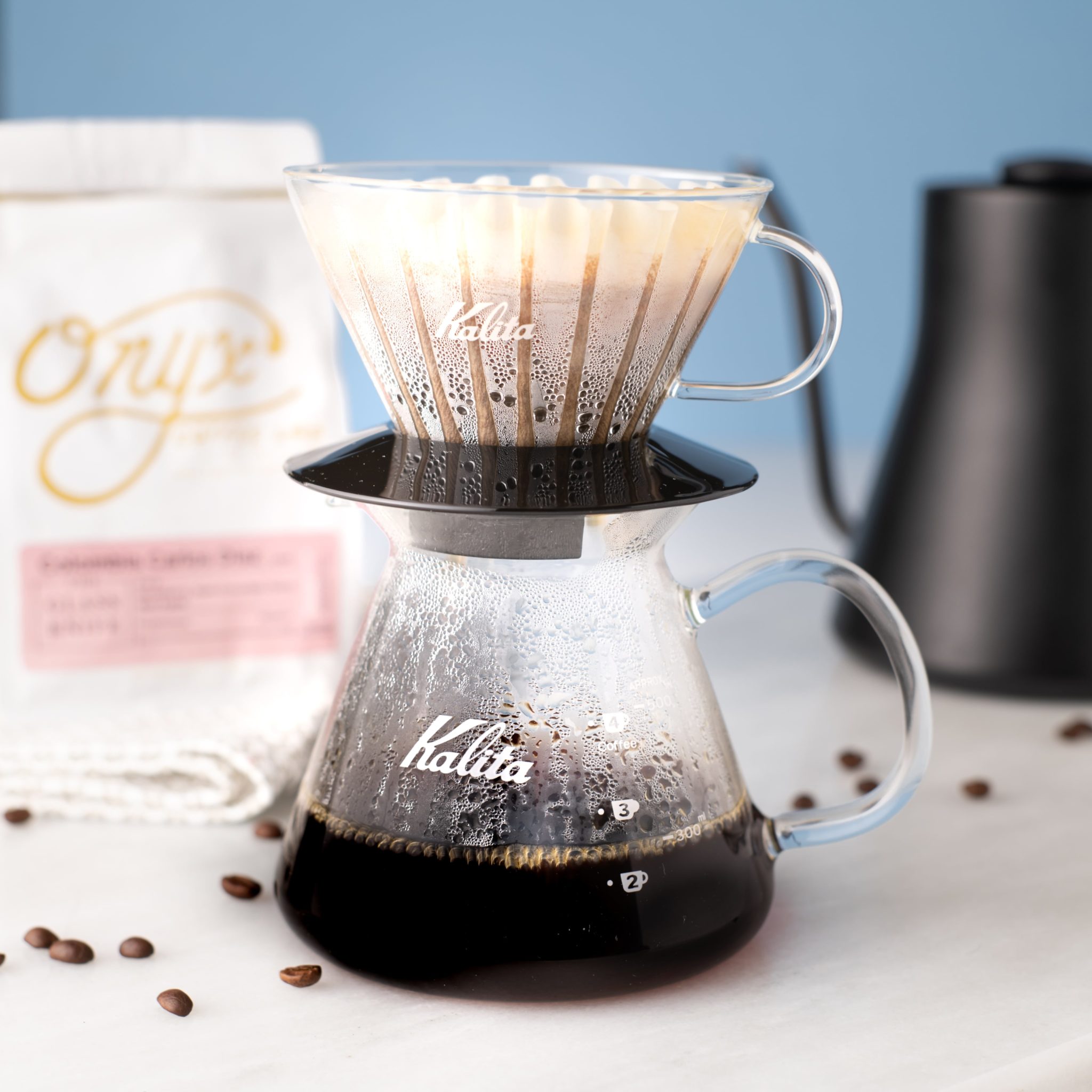
This comprehensive exploration of the world of coffee from bean to cup leaves readers informed and inspired, inviting them to embark on their own journey of discovery and exploration of the perfect cup every time.
Essential FAQs
Q: What’s the perfect temperature for brewing coffee?
A: Between 195°F and 205°F is ideal for brewing coffee, allowing for a balanced extraction of flavors.
Q: How often should I clean my coffee makers?
A: Regular cleaning is recommended to prevent bacterial growth and maintain taste quality.
Q: Can I roast my own coffee beans at home?
A: Yes, with the right equipment and knowledge, you can achieve high-quality roasted coffee at home.
Q: What’s the best way to store coffee beans?
A: Store coffee beans in an airtight container, away from direct light and heat, to preserve flavor and aroma.

