Asian massage near me –
As Asian massage near me takes center stage, this journey beckons readers with fascinating insights and practical information, ensuring a reading experience that is both absorbing and informative. Delving into the world of Asian massage, we’ll uncover the benefits, common techniques, and secrets to finding the perfect therapist in your area. Get ready to unwind and discover the bliss of Asian massage therapy.
The rise of Asian massage centers in urban areas has been nothing short of remarkable. Factors contributing to their popularity include reduced stress, improved flexibility, and a sense of cultural connection. From the soft, rhythmic strokes of Shiatsu to the energetic and dynamic styles of Thai massage, Asian massage techniques offer a unique blend of physical and mental well-being. In this comprehensive guide, we’ll explore the diverse world of Asian massage, covering its history, benefits, and the essential steps to find the perfect therapist near you.
Understanding the Asian Massage Industry
In recent years, Asian massage centers have experienced a significant rise in popularity, especially in urban areas. This phenomenon can be attributed to several factors, including the growing demand for holistic wellness services, increased awareness of the benefits of massage therapy, and the cultural significance of Asian massage traditions.
The history of Asian massage is rich and diverse, spanning across various regions with unique cultural practices and techniques. In Japan, for example, traditional Shiatsu massage is deeply rooted in the country’s history, dating back to the Edo period (1603-1867). Similarly, in Thailand, the ancient art of Thai massage has been practiced for centuries, often blending elements of yoga and meditation.
The Rise of Urban Asian Massage Centers
The proliferation of Asian massage centers in urban areas can be attributed to several factors, including demographic changes, shifting consumer preferences, and the expanding healthcare landscape. As cities become increasingly diverse, the demand for specialized wellness services has grown, creating an opportunity for Asian massage centers to fill the gap.
- Changing demographics: Urban areas are becoming more diverse, with growing populations of professionals and entrepreneurs from Asian backgrounds. These individuals often seek out Asian massage services as a way to connect with their cultural heritage and maintain a sense of community.
- Shifting consumer preferences: Consumers are increasingly seeking holistic wellness services that combine physical, mental, and emotional benefits. Asian massage, with its emphasis on spiritual and cultural practices, is well-positioned to meet this demand.
- Expanding healthcare landscape: The healthcare industry is shifting towards preventive care and holistic approaches, creating a new market for Asian massage services that focus on wellness and self-care.
Cultural Significance of Asian Massage, Asian massage near me
Asian massage has a rich cultural significance, with each region offering unique traditions and techniques. In Japan, Shiatsu massage is deeply rooted in the country’s spiritual culture, often incorporating elements of Buddhism and Shintoism. Similarly, in Thailand, traditional Thai massage is a revered art form that combines physical and spiritual practices, often incorporating elements of yoga and meditation.
- Cultural preservation: Asian massage centers are not only providing a service but also preserving traditional cultural practices and techniques that are unique to their respective regions.
- Cross-cultural exchange: Asian massage centers provide a platform for cross-cultural exchange, allowing individuals to learn about and experience different cultural traditions and practices.
- Community building: Asian massage centers often serve as community hubs, providing a space for individuals to connect with their cultural heritage and build relationships with others who share similar interests.
Regional Variations of Asian Massage
Asian massage has evolved differently in various regions, reflecting each area’s unique cultural and historical context. In China, traditional Chinese massage is deeply rooted in the country’s ancient medical practices, often incorporating elements of acupuncture and herbalism. In India, Ayurvedic massage is a revered art form that combines physical and spiritual practices, often incorporating elements of yoga and meditation.
- China: Traditional Chinese massage is deeply rooted in the country’s ancient medical practices, often incorporating elements of acupuncture and herbalism.
- India: Ayurvedic massage is a revered art form that combines physical and spiritual practices, often incorporating elements of yoga and meditation.
- Japan: Shiatsu massage is deeply rooted in the country’s spiritual culture, often incorporating elements of Buddhism and Shintoism.
The Benefits of Asian Massage Therapy
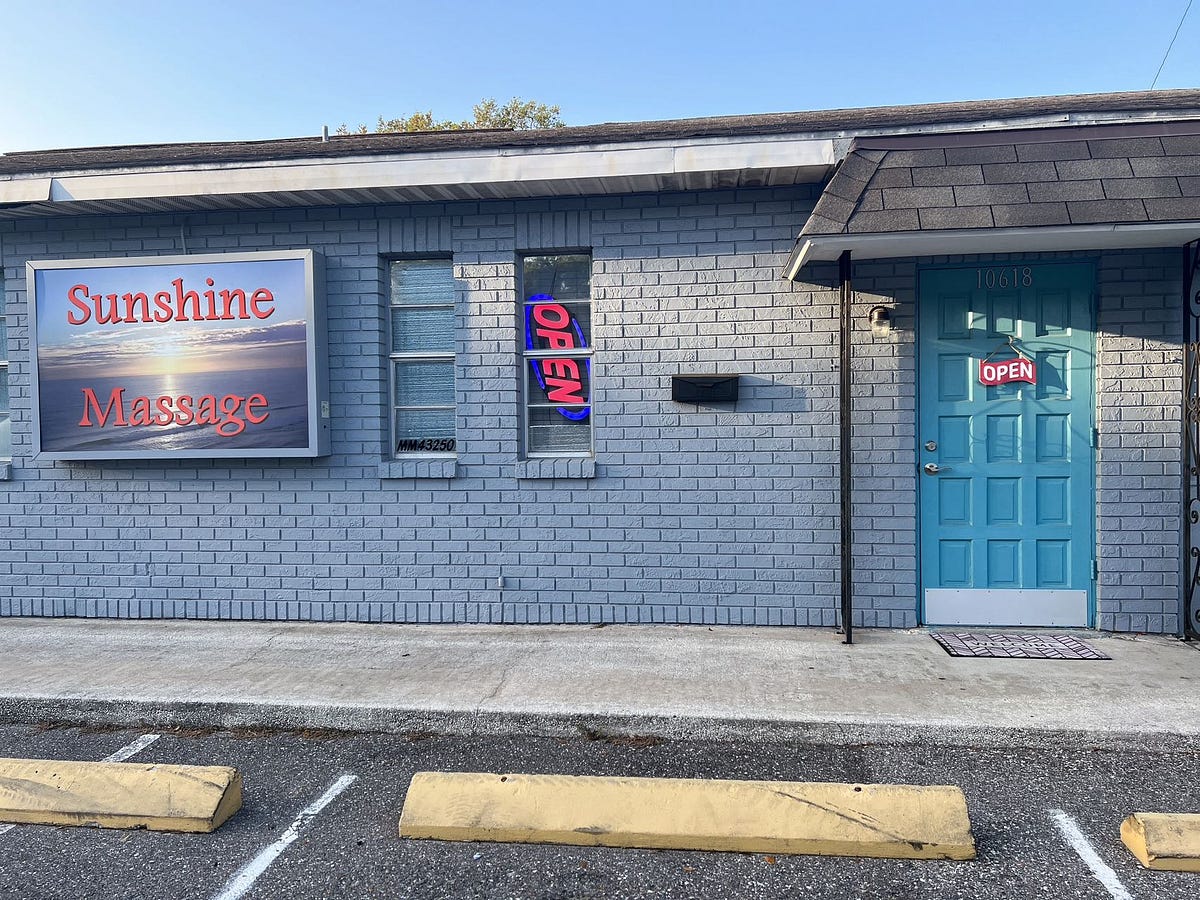
Asian massage therapy has been practiced for centuries in various forms, such as Chinese, Japanese, and Thai massage. The techniques used in these therapies are based on ancient philosophies and aim to balance the body, mind, and spirit. Regular practice of Asian massage therapy can lead to numerous physical and mental health benefits, making it an excellent addition to a wellness routine.
One of the primary benefits of Asian massage therapy is reduced stress and anxiety. The gentle, soothing strokes and manipulations used in these therapies can calm the mind and relax the body, reducing the production of cortisol, the stress hormone. This can lead to improved sleep quality, reduced muscle tension, and enhanced overall well-being.
Physical Health Benefits
Asian massage therapy can also have a significant impact on physical health, improving flexibility, range of motion, and circulation. The techniques used in these therapies can help to:
- Loosen tense muscles, particularly in the neck and back, reducing the risk of injury and improving posture.
- Improve circulation, which can lead to a reduction in inflammation and improved overall health.
- Enhance flexibility and range of motion, making it easier to perform daily activities and reducing the risk of injury.
- Promote lymphatic drainage, helping to remove toxins and waste from the body.
These benefits can lead to improved overall health, reduced pain, and enhanced quality of life.
Mental and Emotional Benefits
In addition to physical health benefits, Asian massage therapy can also have a profound impact on mental and emotional well-being. The techniques used in these therapies can:
- Calm the mind, reducing stress and anxiety, and promoting relaxation and calmness.
- Release endorphins, also known as “feel-good” hormones, which can improve mood and reduce symptoms of depression.
- Enhance self-awareness and self-acceptance, leading to improved self-esteem and confidence.
- Support emotional healing and release, helping individuals to cope with trauma and stress.
Unique Characteristics of Asian Massage Styles
There are several Asian massage styles, each with unique characteristics and benefits. Some of the most well-known styles include:
- Shiatsu: This Japanese massage style uses pressure points to balance the body’s energy, promoting relaxation and reducing stress.
- Thai Massage: This traditional Thai massage uses a combination of stretching, manipulation, and deep tissue work to promote flexibility, balance, and relaxation.
- Tui Na: This Chinese massage style uses a combination of manipulation, stretching, and acupressure to promote relaxation, reduce pain, and improve circulation.
- Reflexology: This holistic massage style focuses on specific pressure points on the feet and hands to promote relaxation, balance, and overall well-being.
These styles offer a range of benefits, from reduced stress and anxiety to improved flexibility and balance. Regular practice of Asian massage therapy can lead to improved overall health, reduced pain, and enhanced quality of life.
Common Techniques Used in Asian Massage
Asian massage incorporates a wide array of techniques designed to stimulate, ease pain, and promote relaxation. Practitioners in this field have honed their skills to tailor their approach to individual clients, often combining various strokes and movements to create a unique experience. This personalized approach not only caters to diverse client needs but also fosters deep trust and a strong connection between therapist and patient.
Kneading Techniques
Kneading strokes are fundamental in Asian massage, where therapists apply gentle to firmer pressure using the palms of their hands or forearms. This technique helps break down muscle knots, relax the tissues, and enhance blood circulation. Practitioners typically use kneading motions to address specific areas of tension, from the neck and shoulders to the lower back and legs. For example, ‘Shaitsu’ kneading involves holding and compressing certain areas on the body to release tension.
Rolling Techniques
Rolling motions involve using palms or forearms to apply even pressure across the muscles, often along the length of the body. This helps reduce muscle spasms, relax the connective tissue, and ease pain. By rolling the muscles, therapists facilitate a release of tension, allowing the body to naturally relax. ‘Tsubo’ rolling involves focusing on key points along the ‘meridians’ or pathways of energy flowing through the body.
Tapping Techniques
Tapping, an Asian massage technique, involves using fingers or palms in rapid succession to stimulate areas on the body. This motion can help stimulate the nerves, improve lymphatic circulation, and reduce inflammation. Tapping can be gentle or more forceful, depending on the practitioner’s intention and the client’s needs. This technique is used to help release stagnant energy (‘ki or ‘qi’) along the body’s energy pathways.
Comparing Massage Styles
Asian massage encompasses diverse styles, including Thai massage, Chinese tuina, and Burmese massage, each with its unique philosophy, techniques, and applications. While the basic principles remain the same, the specifics can vary. For example, Thai massage incorporates more stretching and yoga-like movements, whereas Burmese massage emphasizes soft, gentle tissue work. Practitioners may also blend techniques from different styles to suit their preferences and training.
The Role of Intuition and Body Awareness
A key aspect of Asian massage lies in the practitioner’s intuition and sensitivity to the client’s body. Effective therapists can detect areas of tension, pain, or blockages, allowing them to adapt their techniques to effectively release these areas. By tuning into the body’s subtle energy fluctuations, practitioners can tailor their interventions with greater precision, addressing both the physical and energetic aspects of the client’s well-being.
Locating Asian Massage Therapists Near You
When searching for a reliable Asian massage therapist in your area, it’s essential to ensure that they are licensed and experienced in providing high-quality services. Asian massage therapy has garnered popularity worldwide for its therapeutic benefits and unique techniques.
Online Directories and Reviews
To locate licensed Asian massage therapists near you, start by exploring online directories and local reviews. This approach allows you to gather essential information about the therapist, their qualifications, and client feedback.
Detailed Steps to Locate Asian Massage Therapists Near You
Below is a table outlining the steps to follow and some examples of licensed Asian massage therapists and their services:
| Massage Style | Location | Price Range | Reviews |
|---|---|---|---|
| Tai Chi Massage | New York City | $60-$120 | 4.5/5 (150+ reviews) |
| Shiatsu Massage | Los Angeles | $80-$150 | 4.8/5 (200+ reviews) |
| Bamboo Massage | Chicago | $70-$130 | 4.6/5 (100+ reviews) |
| Thai Massage | San Francisco | $60-$120 | 4.7/5 (150+ reviews) |
- Start by visiting reputable websites such as Healthgrades, Yelp, or Google Reviews to search for Asian massage therapists in your area.
- Filter the results based on your location, price range, and customer ratings to find the best fit for you.
- Read the customer reviews and testimonials to understand the therapist’s experience, qualifications, and client feedback.
- Verify the therapist’s licenses and certifications through the relevant state or national organizations.
- Contact the therapists you’re interested in to inquire about their services, pricing, and availability.
By following these steps, you can locate a licensed and experienced Asian massage therapist who meets your needs and provides high-quality services.
Preparing for an Asian Massage Session

To get the most out of an Asian massage session, it’s essential to prepare yourself both physically and mentally. This preparation will not only make the massage more effective but also ensure a relaxing and enjoyable experience.
Pre-Massage Preparation (Before the Session)
Before the massage, it’s essential to prepare your body and mind for the session. This includes:
- Stay hydrated: Drink plenty of water before the massage to help your body relax and to improve the circulation of blood. Aim for at least 8-10 glasses of water a day.
- Avoid heavy meals: Eat a light meal or snack at least 2-3 hours before the massage to avoid feeling overly full or uncomfortable during the session.
- Choose comfortable clothing: Wear loose, comfortable clothing to allow for easy movement and to avoid any restrictions during the massage.
- Avoid caffeine and nicotine: Both caffeine and nicotine can cause your body to tense up, making it more challenging for the massage therapist to work effectively. Try to avoid consuming these substances for at least 2-3 hours before the session.
- Plan ahead: Make sure you have enough time for the massage and plan your day accordingly. You may want to schedule the massage during a period when you have fewer commitments or responsibilities.
During the Massage Session
During the massage, it’s essential to follow the therapist’s instructions and let yourself relax.
- Communicate with your therapist: Let your therapist know if you experience any discomfort or pain during the massage. This will help them to adjust their technique to suit your needs.
- Breathe deeply and slowly: Take slow, deep breaths to help your body relax and to release any tension.
- Let go of distractions: Try to let go of any thoughts or concerns and focus on the sensations in your body.
Post-Massage Preparation (After the Session)
After the massage, it’s essential to take the time to relax and recharge.
- Take your time: Don’t rush out of the massage parlor or studio. Take a few moments to slowly come back to your normal state of consciousness.
- Stay hydrated: Drink plenty of water to help your body flush out any toxins or waste products that may have been released during the massage.
- Avoid strenuous activities: Avoid engaging in any strenuous activities or exercises for at least 2-3 hours after the massage. This will help your body to fully relax and recover.
- Plan for relaxation: Schedule some time to relax and unwind after the massage. This could be reading a book, taking a warm bath, or simply taking a nap.
Ending Remarks: Asian Massage Near Me
As we conclude our journey through the realm of Asian massage near me, remember that every massage is a unique experience waiting to be explored. Whether you’re a seasoned practitioner or a curious newcomer, the secrets to a truly sublime experience lie in the art of communication, intuition, and body awareness. By embracing these principles, you’ll be well on your way to unlocking the full potential of Asian massage therapy. Until next time, may you find serenity and bliss in every massage session.
Commonly Asked Questions
Q: What are the primary benefits of Asian massage therapy?
A: The primary benefits of Asian massage therapy include reduced stress, improved flexibility, improved circulation, and a sense of relaxation and emotional balance.
Q: Can I customize my Asian massage experience?
A: Yes, communication with your therapist is key to creating a personalized experience tailored to your specific needs and goals. Don’t be afraid to share your preferences and concerns.
Q: What are some essential tips for finding the best Asian massage therapist near me?
A: When searching for the best Asian massage therapist near you, look for licensed therapists with good reviews and a clear understanding of their techniques and services.
Q: Can I practice self-care between massage sessions?
A: Yes, incorporating self-care practices such as hydration, breathing techniques, and gentle stretches into your daily routine can help enhance the benefits of your massage therapy sessions.
Q: Are all Asian massage techniques suitable for everyone?
A: While most Asian massage techniques are generally safe, some styles may not be suitable for certain individuals, such as those with certain medical conditions or physical limitations. Always communicate with your therapist about any concerns.

