Delving into cat grooming near me, this introduction immerses readers in a unique and compelling narrative, with a focus on the importance of maintaining a cat’s overall health through regular grooming. Cat grooming near me is a crucial aspect of responsible cat ownership, providing numerous benefits for both the cat’s physical and mental well-being.
The various health benefits of regular cat grooming include preventing hairballs and reducing shedding, which are essential for maintaining a cat’s overall health. Furthermore, neglected grooming can lead to significant health issues, including skin conditions and increased stress levels.
A well-groomed cat is not only aesthetically pleasing but also indicates a healthy cat. It’s essential to identify signs of poor grooming health in cats, such as matted fur or excessive scratching, and address them promptly to prevent further complications.
DIY Cat Grooming Essentials
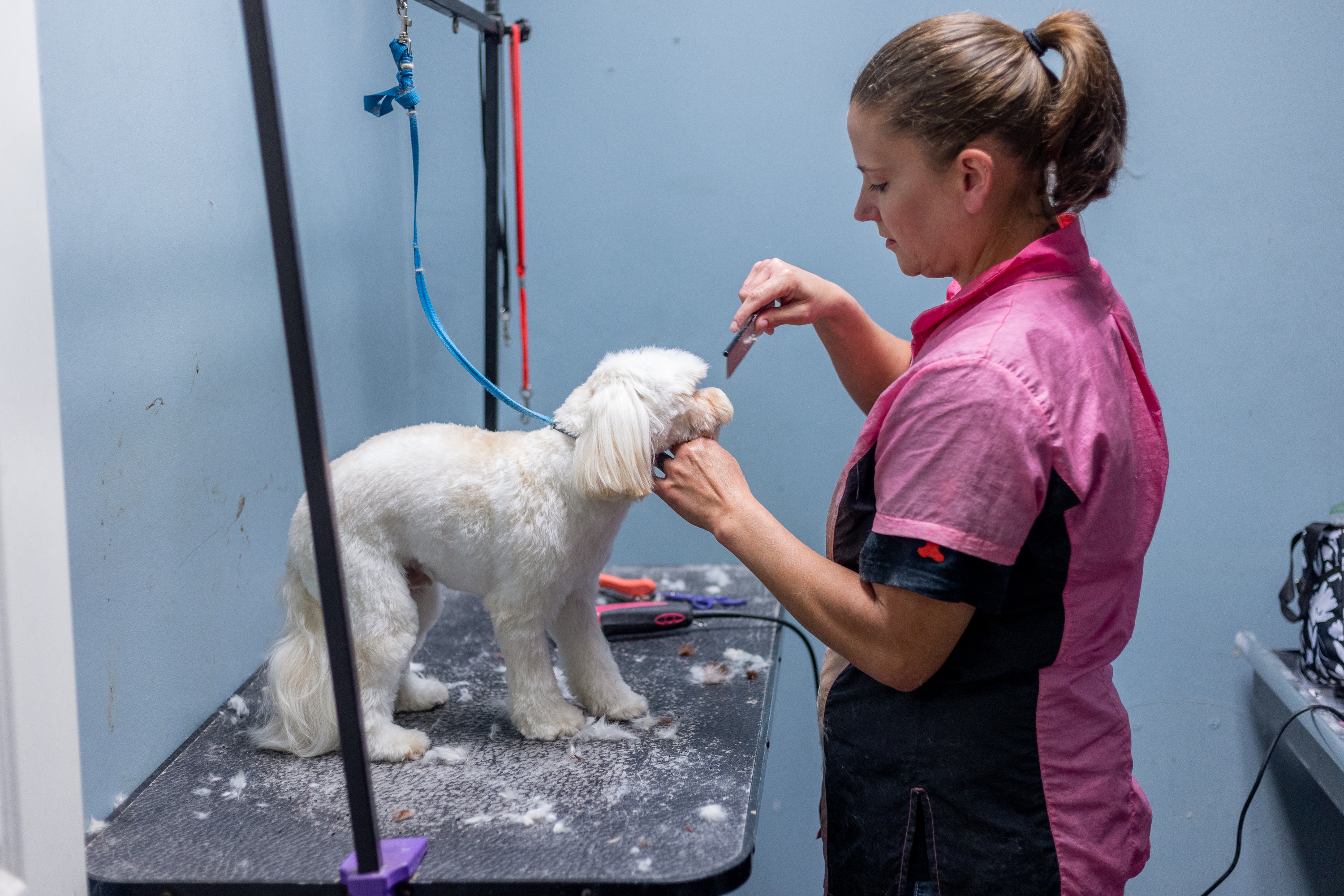
DIY cat grooming requires the right tools and supplies to ensure your pet stays clean, healthy, and happy. Here, we’ll cover the must-have tools and supplies for basic cat grooming tasks, including brush types, nail care tools, and cat grooming gloves.
Brushes and Combs
When it comes to cat grooming, the right brush or comb can make all the difference. Here are some essential brushes and combs you’ll need for your DIY cat grooming routine:
- The Slicker Brush: This brush is perfect for removing tangles and mats from your cat’s coat, especially around the neck and shoulders. Its fine teeth are designed to gently work out knots without causing pain or discomfort.
- The Pin Brush: This brush is great for daily grooming sessions, as it helps to distribute natural oils throughout your cat’s coat, promoting a healthy shine. Look for a brush with soft pins that won’t cause irritation.
- The Bristle Brush: This brush is ideal for short-haired cats, as it helps to remove loose hair and distribute natural oils. Use it in the direction of the fur to avoid causing tangles.
- The Wide-Tooth Comb: This comb is perfect for detangling long-haired cats, as it gently works out knots without causing breakage.
- The Nail Brush: This brush is designed specifically for trimming and cleaning your cat’s nails. Look for a brush with small, gentle bristles that won’t cause discomfort.
Nail Care Tools, Cat grooming near me
Keeping your cat’s nails trimmed and clean is essential for their health and well-being. Here are some must-have nail care tools for your DIY cat grooming routine:
- The Nail Clippers: Look for clippers specifically designed for cats, as they’re designed to safely and easily trim your cat’s nails. Choose clippers with a comfortable grip and a secure locking mechanism.
- The Nail Grinder: This tool is perfect for cats that are nervous or anxious about nail trimming. It uses a gentle grinding motion to safely trim your cat’s nails without the need for clippers.
- The Nail Scissors: These scissors are designed specifically for trimming your cat’s nails, especially around the quick. Look for scissors with a curved blade and a comfortable grip.
Cat Grooming Gloves
Cat grooming gloves are a great alternative to traditional brushes and combs. They allow you to gently remove loose hair and distribute natural oils, all while providing a gentle massage for your cat. Here are some popular cat grooming glove options:
- The Finger Gloves: These gloves fit snugly around each finger, allowing you to gently remove loose hair and distribute natural oils.
- The Full-Glove Option: This option provides a more intense grooming experience, as it covers the entire hand. Look for gloves with soft, gentle material that won’t cause irritation.
- The Long-Glove Option: This option is perfect for cats with long hair, as it allows you to reach and groom further back in the coat.
Step-by-Step Grooming Guide
To ensure the best possible results, follow this step-by-step guide for bathing and trimming your cat’s coat:
- Brush your cat thoroughly before bathing to prevent matting and tangling.
- Use a mild cat shampoo and warm water to bathe your cat.
- Focus on areas where dirt and debris tend to accumulate, such as the armpits, behind the ears, and around the tail.
- Rinse your cat thoroughly and dry with a towel.
- Trim your cat’s nails regularly to prevent overgrowth and cracking.
- Use a nail grinder or clippers to safely trim your cat’s nails.
- Follow up with a grooming session to remove loose hair and distribute natural oils.
Gradual Exposure: A Key to Grooming a Feline Afraid of Grooming
Grooming a cat that fears or resists grooming requires patience, understanding, and a gentle approach. To make the process less stressful for both you and your pet, start by introducing grooming tools gradually, allowing your cat to become accustomed to the sights, sounds, and sensations associated with grooming. This can be done by simply placing the grooming tools near your cat’s favorite resting spots or by lightly touching their fur with the tool while providing treats and praise.
Techniques for Handling Sensitive Cats
Gradual exposure often involves beginning with simple tasks such as lightly brushing your cat’s fur, touching their paws or ears with a soft cloth, or using gentle petting motions. For sensitive cats, it’s essential to avoid sudden movements and loud noises, which can trigger fear and aggression.
- Start with short sessions, gradually increasing the duration as your cat becomes more comfortable with the grooming process.
- Use gentle, soothing voice and tone to reassure your cat that the grooming is a comfortable and positive experience.
- Employ slow, deliberate movements to avoid startle your cat, who may be fearful or easily startled.
- Choose the right grooming tools and products for your cat’s specific needs and coat type.
Making Grooming a Positive Experience
Offering treats and rewards can make grooming a more enjoyable experience for your cat. This can be done by associating the grooming process with positive outcomes such as treats or playtime. Consistency and patience are key when teaching your cat to accept grooming without stress or anxiety.
- Provide treats, praise, and affection during and after grooming sessions to create a positive association.
- Encourage play and interaction with your cat before and after grooming sessions to help them relax and associate the grooming process with positive experiences.
- Consider using pheromone products or calming aids to help reduce your cat’s stress and anxiety during grooming.
- Be patient and understanding of your cat’s fears and boundaries, adjusting the grooming process as needed to ensure their comfort.
Local Cat Grooming Facilities: A Tour of What to Expect: Cat Grooming Near Me
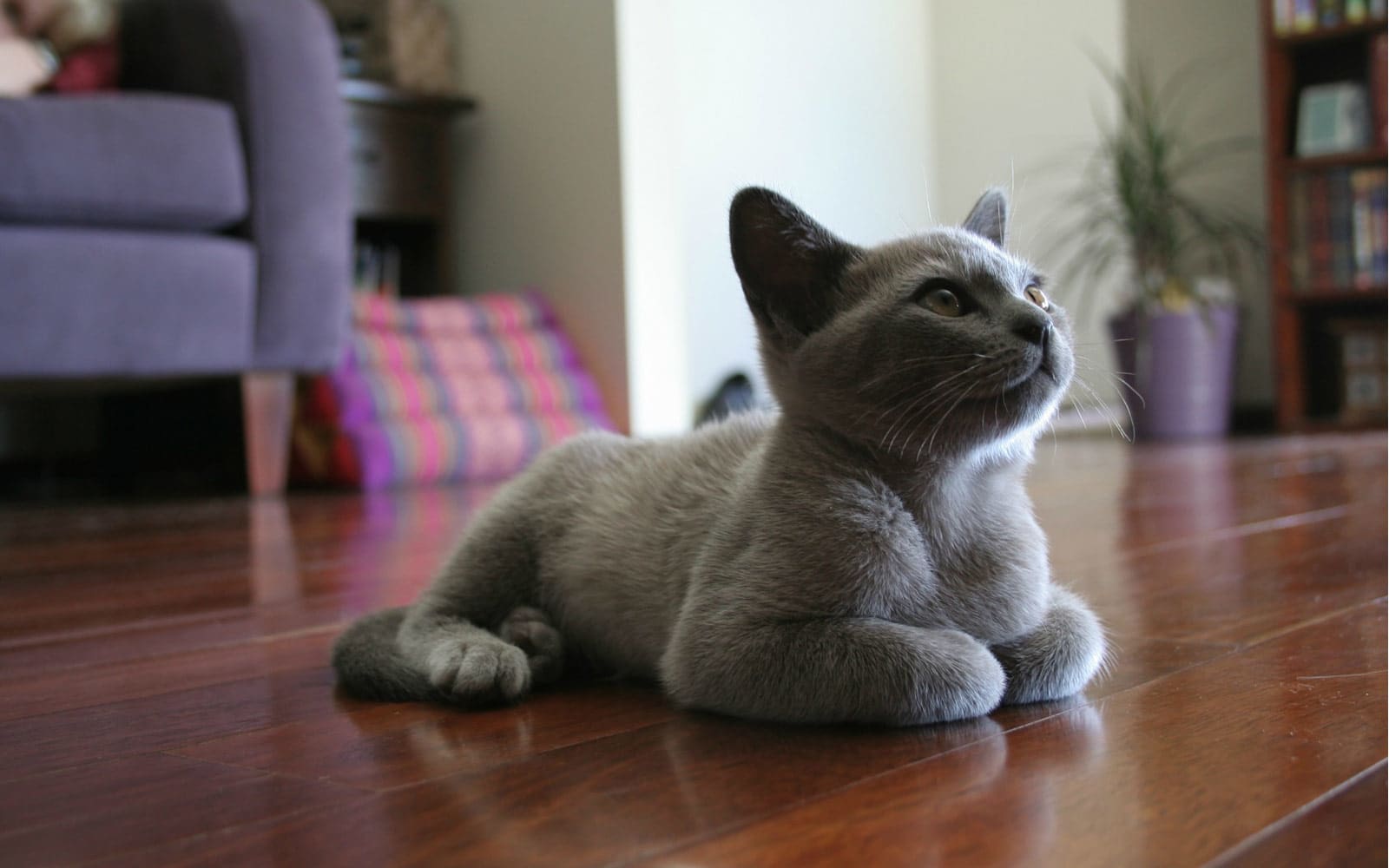
A typical cat grooming facility is designed to provide a comfortable and stress-free experience for both cats and their owners. These facilities often have a waiting area where owners can relax while their cat is being groomed. This area may be equipped with comfortable seating, television, and refreshments.
Layout and Amenities
A typical cat grooming facility has a well-designed layout that ensures a smooth and efficient service delivery. The facility may include the following areas:
- A waiting area for owners to relax while their cat is being groomed.
- A play area where cats can socialize and play while waiting for their grooming session.
- Grooming stations where trained groomers perform the grooming tasks.
- A washing area where cats are bathed and dried.
- A drying area where cats are dried using blow dryers or air dryers.
- A storage area for grooming equipment and supplies.
The amenities provided may vary from facility to facility, but they often include comfortable seating, television, refreshments, and free Wi-Fi for owners.
Levels of Services Offered
Cat groomers near you offer a range of services to cater to the varying needs of cats. The services offered may include:
- Basic nail trims to prevent overgrowth and scratching damage.
- Brushing and combing to prevent matting and tangling of fur.
- Bathing and shampooing to remove dirt and odors from the coat.
- Trimming and clipping to maintain the shape and cleanliness of the coat.
- Spa treatments such as nail polishing, perfuming, and brushing.
- Specialized grooming for cats with health conditions such as skin allergies or fleas.
The levels of services offered may vary depending on the facility and the specific needs of the cat.
Procedures Involved in a Standard Cat Grooming Visit
A standard cat grooming visit typically involves the following procedures:
- Arrival and check-in: The owner arrives at the facility and checks in with the receptionist.
- Pre-grooming preparation: The groomer prepares the necessary equipment and supplies for the grooming session.
- Grooming session: The groomer performs the grooming tasks, including brushing, combing, bathing, trimming, and clipping.
- Finishing touches: The groomer applies any finishing touches, such as nail polishing or perfuming.
- Collection: The owner collects their cat and inspects the grooming work done.
- Payment: The owner pays for the services provided.
The procedures may vary depending on the specific needs of the cat and the services offered by the facility.
Summary

Concluding the discussion on cat grooming near me, it is evident that regular grooming plays a pivotal role in maintaining a cat’s overall health. Whether opting for professional services or DIY grooming, being aware of the essentials and factors involved ensures a positive experience for both cat and owner.
Common Queries
Q: What are the necessary qualifications for a professional cat groomer?
A: A professional cat groomer should possess certification, relevant experience, and a good understanding of cat behavior and psychology.
Q: How often should I groom my cat?
A: The frequency of cat grooming depends on various factors, including the cat’s breed, age, and lifestyle. Generally, cats require regular grooming to prevent matting and tangling of their fur.
Q: What tools are essential for DIY cat grooming?
A: Basic tools for DIY cat grooming include a brush, nail clippers, and a grooming glove or comb.
Q: What are some effective tips for grooming a cat that hates being groomed?
A: Gradual exposure to grooming tools, providing treats and rewards, and using gentle and soothing techniques can help make grooming a more positive experience for anxious cats.

