Kicking off with 7 brew near me, this article aims to provide a comprehensive guide for coffee shop owners and enthusiasts to navigate the evolving landscape of specialty coffee and online review platforms. In this digital age, understanding the importance of search algorithms, online reviews, and user behavior is crucial for success.
From the rise of mobile apps to the significance of online reviews, we will delve into the various aspects that influence the coffee shop experience, providing insights and expert analysis to help businesses adapt and thrive. Whether you’re a seasoned coffee aficionado or a small business owner, this article will equip you with the knowledge and tools to succeed in the competitive coffee shop industry.
The Concept of Coffee and its Evolution over Time

The rich aroma and flavor of coffee have become an integral part of modern society, but the history of coffee stretches back centuries. From its humble beginnings in ancient Ethiopia to its global spread, coffee has evolved into a diverse beverage with numerous flavors and cultures.
This beverage’s history is a fascinating tale of trade, conquest, and cultural exchange. It all began around the 9th century when coffee plants were first cultivated in the highlands of Ethiopia. The plant’s stimulating effects were soon discovered, and it spread to neighboring countries, including the Arabian Peninsula. By the 15th century, coffee had reached the Middle East, where it was widely cultivated and traded.
Pioneers of Coffee Trade
- The Arabs were responsible for the first major cultivation and trade of coffee. They were instrumental in spreading coffee throughout the Middle East and North Africa. The Arab port city of Mecca became a significant hub for coffee trade.
- By the 16th century, coffee had reached the Mediterranean coast of Europe, specifically Italy, where it was introduced by Italian merchants. The coffee culture thrived in Italy, especially in Venice.
- Later, European traders and colonizers brought coffee to the Americas, where it was cultivated in large plantations in countries like Brazil and Colombia. These regions became major coffee-producing countries, along with other parts of Asia and Africa.
The Spread of Coffee Across the World
Coffee’s global spread was facilitated by colonialism, trade, and cultural exchange. It played a significant role in shaping the histories and cultures of countries where it was introduced. In many regions, coffee became an integral part of daily life, with coffeehouses serving as meeting places for intellectuals and entrepreneurs.
In many African countries, coffee is an essential crop, providing income for small-scale farmers and contributing to local economies. In Europe and North America, coffee is a staple beverage, with many people starting their day with a cup of coffee. Coffee’s cultural significance extends to art and literature, with numerous works celebrating its rich history and symbolism.
Coffee Culture Around the World
- Italy is famous for its espresso culture, with small cafes serving as social hubs. Italians typically drink espresso in shots, often accompanied by a pastry or snack.
- In Turkey, coffee is an integral part of social gatherings and is often served as a sign of hospitality.
- In Ethiopia, where coffee originated, coffee is an important part of traditional ceremonies and is often served during special occasions.
The global coffee industry is now worth billions of dollars, with many players involved in the trade, from small-scale farmers to large multinational companies. As we navigate the complexities of the global market, it’s essential to recognize the rich cultural heritage and historical significance of coffee.
In contemporary society, coffee continues to play a vital role in shaping cultures, economies, and communities. Its impact extends beyond the confines of the coffee industry, influencing art, literature, and social dynamics.
From traditional coffeehouses to modern coffee shops, coffee has become an integral part of modern life. Its versatility and adaptability have enabled it to thrive in diverse contexts, from rural communities to urban metropolises.
The cultural significance of coffee is also reflected in its symbolism and associations. It represents warmth, comfort, and social bonding, making it an essential part of daily routines and special occasions.
In addition to its cultural significance, coffee has become a significant contributor to local economies and global trade. Countries where coffee is grown provide valuable income to small-scale farmers and contribute to local economic growth.
Today, coffee continues to evolve, with new trends, brewing methods, and flavors emerging worldwide. Its rich history and cultural significance have solidified its position as one of the world’s most beloved beverages.
From its ancient origins to its modern-day manifestations, coffee remains a dynamic and fascinating subject that continues to captivate people around the world.
7 Brew Near Me
Google’s algorithm plays a crucial role in determining the relevance of nearby coffee shops when a user searches for ‘7 brew near me’. This search query leverages Google’s location-based search functionality, which utilizes a combination of factors to provide the most accurate and relevant results. In this discussion, we will delve into the factors that influence the ranking of nearby coffee shops and explore the differences between Google’s mapping and search algorithms.
Google My Business (GMB) and Local Search Signals
Google My Business (GMB) is a tool that allows businesses to manage their online presence across Google, including search and maps. For coffee shops, GMB listing accuracy is a significant factor in determining their relevance in nearby search results.
Accurate GMB listings include complete contact information, up-to-date business hours, and high-quality profile photos.
A recent Google study found that 84% of consumers use online reviews to make purchasing decisions, and nearly 3 out of 4 use GMB listings to get more information about a business.
Google uses GMB listing accuracy and review signals to determine the relevance of nearby coffee shops.
Distance Rank and Location-Based Filtering
Distance rank is an algorithmic factor that takes into account the user’s current location and the distance between their location and the coffee shop’s location.
The farther away a coffee shop is from the user’s location, the lower its ranking will be in search results.
Google also uses location-based filtering to exclude irrelevant results and provide more accurate results.
Google Maps Algorithms and Distance Measurements, 7 brew near me
Google Maps algorithms play a significant role in determining the relevance of nearby coffee shops. The algorithm uses a combination of factors, including driving distance, estimated drive time, and walking distance, to determine the most relevant results.
The Google Maps algorithm uses a driving distance metric that considers the user’s current location, traffic patterns, and road conditions to determine the most efficient route.
When a user searches for ‘7 brew near me’, Google Maps algorithms will prioritize results based on their proximity to the user’s location, taking into account factors such as traffic, road conditions, and walking distance.
Location-Based Search Signals and Google’s Ranking Factors
Location-based search signals are an essential factor in determining the relevance of nearby coffee shops. These signals include location-specific s, such as ‘coffee shop near me’ or ‘coffee shop in [city]’, as well as location-based content, such as reviews and business hours.
Location-based search signals help Google understand the user’s search intent and provide more relevant results.
Google uses a combination of location-based search signals and local search ranking factors, such as GMB listing accuracy and review signals, to determine the relevance of nearby coffee shops.
Local Search Ads and Competition
Local search ads can significantly impact the ranking of nearby coffee shops. These ads can appear in search results above organic listings and can be targeted based on location and search query.
The presence of local search ads can lead to increased competition among coffee shops, making it even more challenging for them to appear in top search results.
Google’s Local Search Algorithm Updates
In recent years, Google has made several significant updates to its local search algorithm, including the introduction of the Google My Business Local Pack.
These updates aim to improve the accuracy and relevance of nearby search results and provide a better user experience.
Google continues to refine its local search algorithm, and businesses must adapt to these changes to maintain a strong online presence.
Accurate and Up-to-Date GMB Listings
Accurate and up-to-date GMB listings are crucial for coffee shops to appear in top search results. This includes complete contact information, up-to-date business hours, and high-quality profile photos.
In addition to GMB listing accuracy, coffee shops must also prioritize online reviews and respond promptly to customer feedback to maintain a strong online presence.
Geotargeted Search Ad Campaigns
Geotargeted search ad campaigns can be an effective way for coffee shops to appear above organic listings and reach a wider audience.
By targeting specific locations and search queries, coffee shops can increase their visibility and drive more foot traffic to their business.
A recent study found that geotargeted search ad campaigns can lead to a 20% increase in conversions and a 15% increase in average order value.
The Importance of Online Reviews
Online reviews play a significant role in determining the relevance of nearby coffee shops. Google uses review signals to determine a business’s reputation and provide users with more accurate results.
A recent Google study found that 85% of consumers trust online reviews as much as personal recommendations.
Coffee shops must prioritize online reviews and respond promptly to customer feedback to maintain a strong online presence.
Mobile-First Indexing and Local
Mobile-first indexing is Google’s algorithmic approach to indexing and ranking mobile-optimized websites.
When it comes to local , mobile-first indexing can have a significant impact on the ranking of nearby coffee shops.
Coffee shops must prioritize mobile-optimized websites and ensure that their GMB listings are accurate and up-to-date to maintain a strong online presence.
Coffee Culture and Customer Expectations
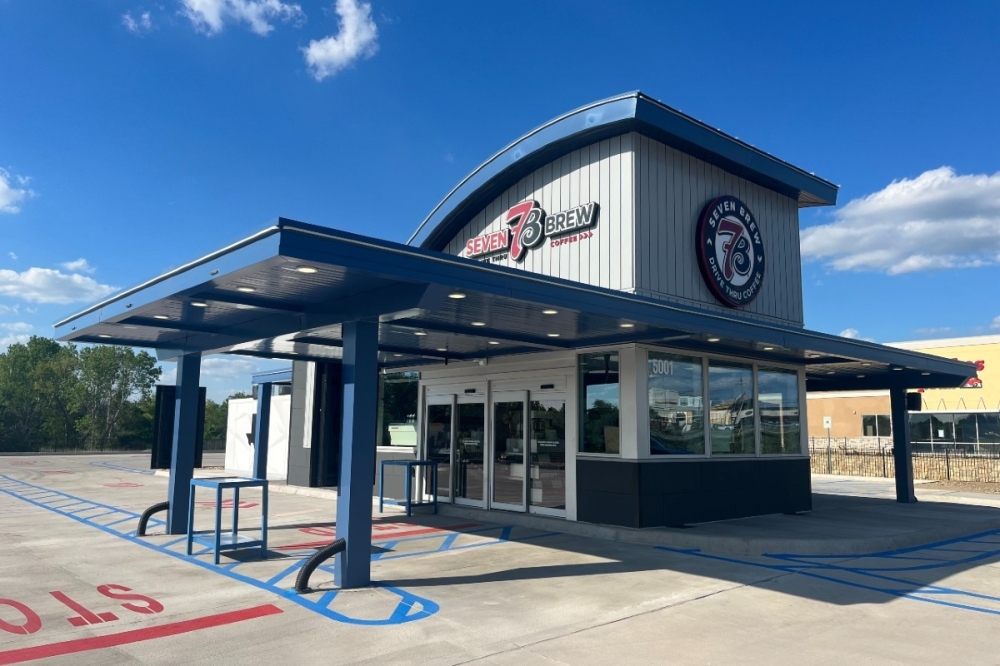
As the specialty coffee industry continues to grow, coffee culture and customer expectations are shaping the industry in profound ways. Consumers are increasingly seeking higher-quality coffee experiences, and businesses are adapting to meet these evolving demands. In this section, we’ll delve into the rising trend of specialty coffee and its impact on consumer behavior, as well as the importance of online reviews and ratings in shaping consumer opinions and choices.
The Rise of Specialty Coffee and Consumer Behavior
The specialty coffee industry has experienced rapid growth in recent years, driven by a shift in consumer preferences towards higher-quality, unique, and sustainable coffee experiences. This trend is reflected in the increased demand for specialty coffee drinks, equipment, and ingredients. As a result, businesses are responding by investing in high-end equipment, training baristas to craft expertly brewed coffee, and sourcing high-quality, small-batch coffee beans.
- Consumers are willing to pay a premium for high-quality coffee experiences
- Businesses are investing in expertise and equipment to meet these expectations
- The demand for specialty coffee is driving innovation in coffee roasting, brewing, and marketing
Online Reviews and Ratings: Shaping Consumer Opinions and Choices
Online reviews and ratings have become a crucial factor in shaping consumer opinions and choices. With the rise of social media and review platforms, consumers can easily share their experiences and influence the decisions of others. For local businesses, online reviews can make or break their reputation and ultimately, their bottom line.
- Online reviews and ratings have become a primary source of information for consumers
- Reviews can significantly impact a business’s reputation and sales
- Local businesses must prioritize online presence and reputation management to stay competitive
The impact of online reviews on local businesses can be seen in various statistics and case studies. A study by BrightLocal found that 85% of consumers trust online reviews as much as personal recommendations. Furthermore, a review from Yelp can increase a business’s visibility by up to 9% and drive an additional $8,000 in annual revenue. These numbers underscore the importance of online presence and reputation management for local businesses.
Understanding User Behavior and Preferences

Understanding the behavior and preferences of coffee consumers is crucial for any coffee shop to create a unique and memorable experience. By gathering insights into user behavior, coffee shops can refine their menu offerings, marketing strategies, and in-store design to better suit the needs and desires of their customers.
User data plays a significant role in shaping the coffee experience. By analyzing consumer behavior, coffee shops can learn about their customers’ favorite drinks, preferred times of day for coffee consumption, and the types of environments that make them feel comfortable. This information can be used to tailor menu offerings, marketing campaigns, and in-store design to better meet the needs of the target audience.
Importance of User Data in Menu Development
User data is essential for menu development in coffee shops. By analyzing consumer behavior, coffee shops can determine which drinks are most popular, which flavors and ingredients are in demand, and how to effectively promote menu items. This information can be used to create customized menu boards, offers discounts on popular items, and even develop new menu items based on customer preferences.
For example, a coffee shop that conducts a survey and finds that its customers prefer seasonal flavors such as pumpkin spice or peppermint mocha during the fall and winter seasons can create menu items that cater to these preferences. Similarly, a coffee shop that finds that its customers prefer sweet and creamy coffee drinks can create menu items that feature sweet and creamy flavor combinations.
- Conducting surveys and gathering feedback from customers to determine their preferences and favorite menu items.
- Analyzing sales data and revenue to identify which menu items are most profitable and popular.
- Collaborating with suppliers and baristas to develop new menu items based on customer preferences and seasonal flavors.
Using Online Platforms and Tools for User Feedback
Online platforms and tools can be used to gather user feedback and sentiment analysis. These platforms and tools can provide valuable insights into customer behavior and preferences, helping coffee shops refine their menu offerings, marketing strategies, and in-store design.
Some of the most popular online platforms and tools for gathering user feedback include:
- Social Media: Social media platforms such as Facebook, Instagram, and Twitter can be used to gather user feedback and sentiment analysis. Social media analytics tools can provide insights into customer behavior, preferences, and opinions.
- Online Review Sites: Online review sites such as Yelp and Google Reviews can provide valuable insights into customer behavior and preferences. Review sites can provide information about customer satisfaction, favorite menu items, and preferred service levels.
- Survey and Feedback Platforms: Survey and feedback platforms such as SurveyMonkey and Qualtrics can be used to gather user feedback and sentiment analysis. These platforms can provide insights into customer behavior, preferences, and opinions.
- Customer Relationship Management (CRM) Systems: CRM systems such as Salesforce and HubSpot can provide insights into customer behavior, preferences, and opinions. CRM systems can also be used to manage customer relationships and track customer interactions.
Limits and Potential of Online Platforms and Tools
While online platforms and tools can provide valuable insights into customer behavior and preferences, they also have their limits and potential drawbacks.
Some of the potential limitations of online platforms and tools include:
- Limits to data accuracy and reliability.
- Risk of biases and inaccuracies in user feedback.
- Potential for user fatigue and decreased participation.
- Difficulty in gathering data from niche or hard-to-reach customer groups.
Using Sentiment Analysis for User Feedback
Sentiment analysis can be used to gather user feedback and sentiment analysis. Sentiment analysis involves analyzing user feedback and comments to determine the sentiment or emotional tone behind them. This can provide valuable insights into customer behavior and preferences.
Some of the most popular sentiment analysis tools include:
- Text Analytics Platforms: Text analytics platforms such as IBM Watson and Google Cloud Natural Language can be used to gather user feedback and sentiment analysis.
- Sentiment Analysis Software: Sentiment analysis software such as Medallia and ReviewTrackers can be used to gather user feedback and sentiment analysis.
- Manual Sentiment Analysis: Manual sentiment analysis involves manually reviewing user feedback and comments to determine the sentiment or emotional tone behind them.
Coffee Shops and Small Businesses
In the ever-growing world of coffee, small, independent coffee shops face unique challenges and opportunities that set them apart from larger chains. With the increasing competition in the market, small coffee shops need to differentiate themselves to remain competitive and attract a loyal customer base.
Unique Challenges Faced by Small Independent Coffee Shops
Small independent coffee shops face various challenges, including limited financial resources, smaller customer bases, and limited marketing capabilities. These challenges make it difficult for them to compete with larger chains that have more resources and a wider market presence. Furthermore, small coffee shops are often located in specific neighborhoods or areas, which can limit their customer base and revenue streams. Additionally, they may struggle to keep up with changing consumer trends and preferences.
Opportunities for Differentiation and Growth
Despite the challenges, small independent coffee shops have several opportunities for differentiation and growth. One of the key opportunities is to focus on building strong relationships with their customers and creating a sense of community. This can be achieved through regular events, promotions, and loyalty programs that make customers feel valued and rewarded. Small coffee shops can also focus on offering unique and high-quality products that cater to specific tastes and preferences.
Community Engagement and Events
Community engagement and events play a crucial role in building brand loyalty and fostering a sense of belonging among customers. By hosting events such as live music performances, art exhibits, and book readings, small coffee shops can create a hub for local creative and intellectual activity. This not only attracts new customers but also encourages repeat business and loyalty.
Successful Case Studies
There are several successful case studies of small coffee shops that have leveraged community engagement and events to build their brand and attract a loyal customer base. For example, the Blue Bottle Cafe in Brooklyn, New York, is a popular destination for coffee lovers and creatives alike. The cafe regularly hosts live music performances, art exhibits, and book readings, which creates a sense of community and belonging among customers. Similarly, the Intelligentsia Coffee Company in Chicago, Illinois, is known for its focus on high-quality, direct-trade coffee and its commitment to community engagement through events and partnerships.
Role of Social Media in Community Engagement
In today’s digital age, social media plays a crucial role in community engagement and marketing for small coffee shops. By leveraging social media platforms such as Instagram, Facebook, and Twitter, small coffee shops can create a strong online presence and engage with their customers in real-time. This can be achieved through regular updates, promotions, and contests that encourage customer interaction and loyalty.
Key Takeaways
In conclusion, small independent coffee shops face unique challenges and opportunities in today’s market. By focusing on building strong relationships with their customers, creating a sense of community, and offering unique and high-quality products, small coffee shops can differentiate themselves from larger chains and build a loyal customer base. Additionally, community engagement and events play a crucial role in building brand loyalty and fostering a sense of belonging among customers. By leveraging social media and focusing on community engagement, small coffee shops can create a strong online presence and attract a loyal customer base.
Closure
In conclusion, the world of coffee shops and small businesses is rapidly changing, driven by technological advancements and shifting consumer expectations. By understanding the intricacies of online review platforms, mobile apps, and user behavior, coffee shop owners can tailor their business strategies to meet the evolving needs of their customers. Whether you’re looking to expand your customer base, improve your online presence, or simply stay ahead of the competition, this article has provided you with the valuable insights and expert advice to achieve your goals.
FAQs: 7 Brew Near Me
What is the current state of the coffee shop industry?
The coffee shop industry is constantly evolving, driven by technological advancements, shifting consumer expectations, and increasing competition. To stay ahead, businesses must adapt and innovate to meet the changing demands of their customers.
How do online reviews impact coffee shop success?
Online reviews play a significant role in shaping consumer opinions and choices. Positive reviews can increase brand visibility, attract new customers, and boost sales, while negative reviews can have the opposite effect. Coffee shops that prioritize online review management can improve their reputation and stay competitive.
What are the key features of popular mobile apps used to find and review coffee shops?
Popular mobile apps used to find and review coffee shops, such as Yelp or Google Maps, offer features such as location-based search, user reviews, rating systems, and loyalty programs. These features help businesses promote their services, increase customer engagement, and drive sales.

