As used trucks near me takes center stage, this opening passage beckons readers into a world crafted with good knowledge, ensuring a reading experience that is both absorbing and distinctly original. Whether you’re a seasoned truck owner or just starting your search, this guide will walk you through everything you need to know, from local market trends and safety features to budgeting and maintenance.
Used trucks are a great option for those who want a reliable vehicle without breaking the bank. With the rise of online marketplaces and classifieds websites, it’s never been easier to find used trucks near you. However, with so many options available, it can be overwhelming to make a decision.
Understanding Local Used Truck Markets and Their Economic Impact
In small towns and rural areas, locally-owned businesses play a crucial role in supporting the community’s economy. Used trucks are an essential asset for these businesses, enabling them to transport goods, equipment, and personnel efficiently. However, the impact of used trucks extends beyond the individual business, contributing to the overall economic health of the region.
Used trucks have a significant economic impact on local communities, particularly in rural areas where infrastructure and public transportation may be limited. These trucks enable local businesses to thrive by providing a reliable and affordable means of transportation, which in turn supports job creation and stimulates economic growth. For instance, a local farmer’s co-op may use used trucks to transport produce to market, generating employment opportunities for local residents and injecting revenue into the regional economy.
Economic Benefits for Small Businesses
The economic benefits of used trucks for small businesses are multifaceted. They provide an affordable and reliable means of transportation, enabling businesses to expand their operations, increase productivity, and lower costs. This, in turn, supports job creation, as businesses require more staff to meet increased demand.
- Job Creation: Used trucks enable businesses to increase their workforce, as they are able to take on more projects and expand their services. This leads to higher employment rates in the region.
- Increased Productivity: With a reliable means of transportation, businesses can operate more efficiently, completing projects faster and increasing their turnover.
- Cost Savings: Used trucks are often cheaper to purchase and maintain than new trucks, allowing businesses to allocate resources to other areas of their operations.
Real-Life Examples of Rural Businesses Benefiting from Used Trucks
Numerous rural businesses have benefited from purchasing used trucks, leveraging their reliability and affordability to drive growth and expansion. For instance, a local sawmill operator in a rural community purchased a used truck to transport logs to the processing facility. This enabled the sawmill to expand its operations, increasing employment opportunities for local residents and injecting revenue into the regional economy.
Rural businesses that invest in used trucks are more likely to experience economic growth and create jobs, contributing to the overall well-being of the community.
The Role of Used Trucks in Supporting Local Economies
Used trucks play a vital role in supporting local economies by providing a reliable and affordable means of transportation. They enable small businesses to expand their operations, increase productivity, and lower costs, supporting job creation and stimulating economic growth. As rural communities continue to face challenges related to transportation and infrastructure, the importance of used trucks in supporting local economies only grows.
Finding the Best Deals on Used Trucks Near You – A Step-by-Step Guide
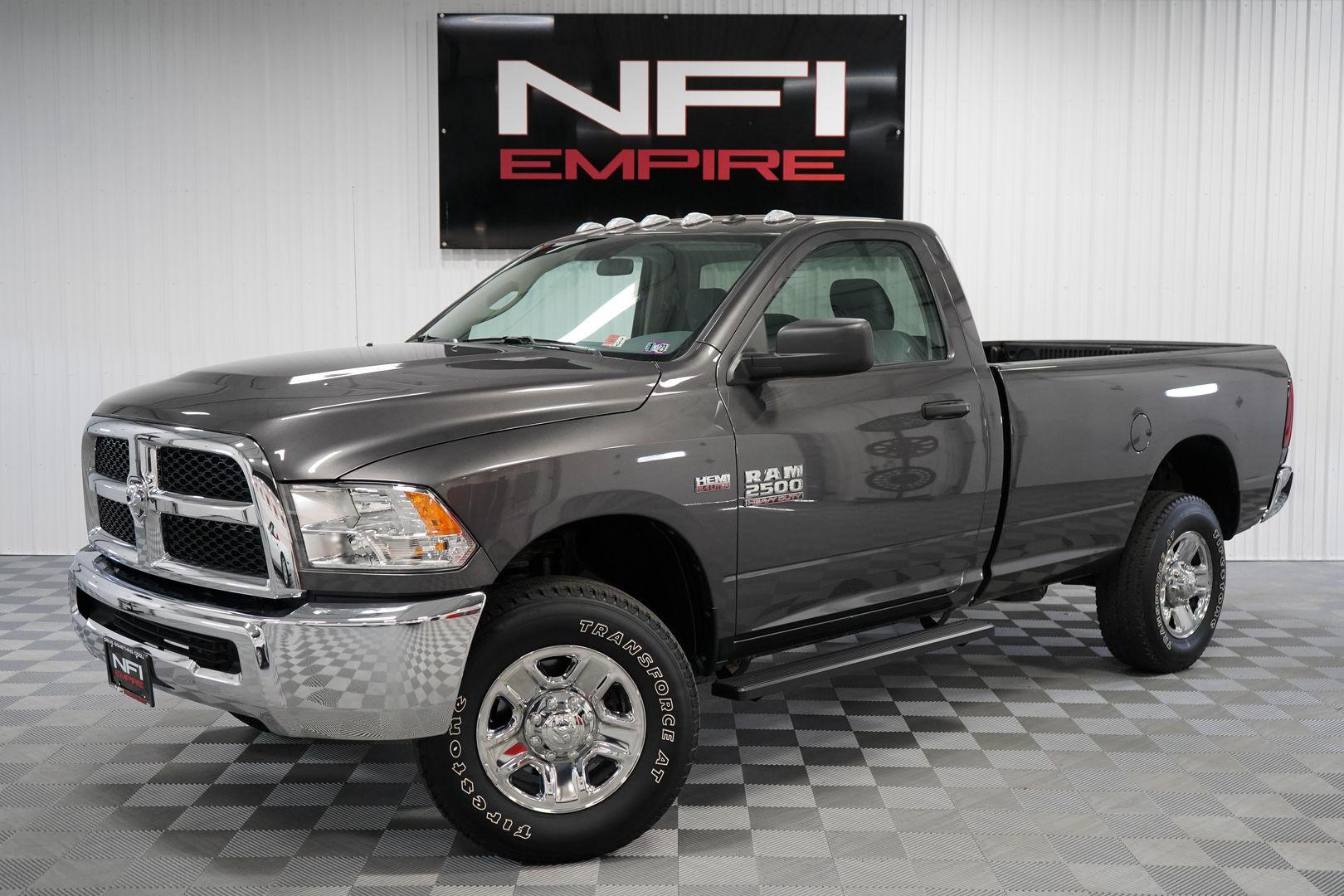
When shopping for a used truck, it’s essential to be thorough in your search to avoid overpaying or ending up with a lemon. By following these steps, you can find the best deals on used trucks near you and drive away in your new ride with confidence.
To start, research different models and compare prices to determine your budget. Consider factors such as the truck’s age, mileage, condition, and features to ensure you’re making an informed decision. Additionally, check reviews, ratings, and reliability reports to get a better understanding of the truck’s performance.
Inspecting Used Trucks Before Purchase
Inspecting a used truck before purchasing is crucial to identify any potential issues or red flags.
When inspecting a used truck, here are some key areas to focus on:
- Mechanics and Performance:
- Check the oil and fluid levels to ensure they’re at the recommended levels.
- Look for signs of wear on the brakes, tires, and suspension.
- Test the truck’s acceleration, braking, and transmission shifting.
- Check the air filter and belts for any signs of wear or damage.
- Exterior:
- Inspect the paint and body for any scratches, dents, or rust spots.
- Check the tires for proper inflation and tread wear.
- Look for any signs of damage to the bumpers, mirrors, or windows.
- Interior:
- Check the upholstery for any stains, tears, or signs of wear.
- Look for any signs of damage to the dashboard, seats, or other interior components.
- Test the heating and cooling systems to ensure they’re working properly.
- Check the audio system and any other features to ensure they’re in good working order.
- Paperwork:
- Check the vehicle’s history report to ensure it’s free of any major accidents or recalls.
- Review the maintenance records to ensure the truck has been properly serviced.
- Check the warranty status, if any, and review the terms and conditions.
When inspecting a used truck, it’s essential to keep an eye out for common mistakes that buyers often make. Some of these include:
* Failing to check the vehicle’s history report
* Not inspecting the truck thoroughly before purchasing
* Failing to test the truck’s performance and features
* Not reviewing the paperwork and warranty information
* Not negotiating the price based on the truck’s condition and features
Negotiating Prices with Dealerships or Private Sellers
Negotiating prices with dealerships or private sellers requires some know-how to avoid being taken advantage of. Here are some tips to help you negotiate like a pro:
* Research the market value of the truck to determine a fair price.
* Know your budget before negotiating.
* Don’t be afraid to walk away if the price isn’t right.
* Offer to purchase the truck “as-is” to save money.
* Negotiate the price based on the truck’s condition and features.
Some common mistakes to avoid when negotiating prices include:
* Making an emotional decision based on the truck’s appearance or features.
* Not doing your research on the market value.
* Not setting a budget before negotiating.
* Being too aggressive or pushy in your negotiations.
Remember, negotiating prices is a give-and-take process. Be respectful, professional, and transparent in your negotiations, and you’ll be more likely to come out with a fair price for your new used truck.
Finding Deals from Local Sellers
Finding deals from local sellers requires a bit of legwork, but it’s worth it to get the best prices. Here are some tips to help you find deals from local sellers:
* Check online classifieds, such as Craigslist or Facebook Marketplace.
* Attend local car shows and auctions.
* Network with other car buyers and sellers in your area.
* Check local newspapers and online forums for used truck listings.
* Be prepared to negotiate, and don’t be afraid to walk away if the price isn’t right.
Some popular options for finding deals from local sellers include:
* Online marketplaces, such as Craigslist or Facebook Marketplace
* Local car shows and auctions
* Word of mouth and networking with other car buyers and sellers
* Local newspapers and online forums
Top Websites for Searching Used Trucks Near Your Location
When it comes to finding the perfect used truck, online marketplaces and local classifieds websites can be invaluable resources. In this section, we’ll explore the pros and cons of using online marketplaces like eBay or Craigslist and compare the effectiveness of local classifieds websites versus national marketplaces.
Using Online Marketplaces
Using online marketplaces like eBay or Craigslist can be a convenient and cost-effective way to search for used trucks near your location. Here are some pros and cons to consider:
- The abundance of listings allows you to browse a wide selection of used trucks, increasing your chances of finding the perfect vehicle.
- Online marketplaces often provide detailed information about each vehicle, including photos, descriptions, and reviews from previous owners or buyers.
- Many online marketplaces offer filtering options, making it easier to narrow down your search based on factors such as price, make, model, and location.
- However, you may need to exercise caution when dealing with strangers, and there’s always a risk of scams or misrepresentation.
- Some online marketplaces may charge fees for listing or buying a vehicle, which can eat into your budget.
Local Classifieds Websites vs. National Marketplaces, Used trucks near me
While online marketplaces can be a great resource, local classifieds websites and apps are often a better option for finding used trucks near your location. Here’s why:
- Local classifieds websites are often more targeted, allowing you to search specifically for used trucks in your area.
- You can more easily establish a personal connection with sellers, making transactions feel safer and more reliable.
- Local classifieds websites often charge lower fees or no fees at all, giving you more money to spend on the vehicle.
However, local classifieds websites may have some drawbacks:
- There may be fewer listings overall, limiting your selection, especially if you’re looking for a specific make or model.
- Information about vehicles may not be as detailed or up-to-date, making it harder to make an informed decision.
In the end, the choice between using online marketplaces or local classifieds websites depends on your individual needs and preferences. Be sure to research and compare prices, read reviews, and take necessary safety precautions to ensure a smooth and successful transaction.
Evaluating Safety Features on Used Trucks – What to Look For
When purchasing a used truck, it’s essential to evaluate its safety features to ensure a safe and reliable vehicle. One of the most critical aspects of a used truck’s safety features is the presence and functionality of airbags and anti-lock brakes.
Airbags and Anti-Lock Brakes: A Comprehensive Overview
Airbags and anti-lock brakes are two of the most crucial safety features in a used truck. Airbags deploy in the event of a crash, cushioning the impact and reducing the risk of injury or death. Anti-lock brakes prevent the wheels from locking up during hard braking, maintaining traction and preventing skidding or losing control of the vehicle. Both features are regulated by the National Highway Traffic Safety Administration (NHTSA) and must meet specific safety standards.
How to Determine the Truck’s Overall Condition
Determining the truck’s overall condition is crucial in evaluating its safety features. Here are some steps to follow:
- Check the truck’s maintenance history: Obtain the truck’s maintenance records and review them to ensure that regular maintenance has been performed. This will help determine if the truck’s safety features have been properly maintained.
- Inspect the truck’s exterior and interior: Look for signs of wear and tear, damage, or neglect. Check the truck’s body for rust, dents, or scratches, and inspect the interior for signs of wear or damage to upholstery, carpets, and other components.
- Test the truck’s safety features: Test the truck’s airbags and anti-lock brakes by having the truck inspected by a mechanic or performing a test drive.
Potential Costs of Repairs: Understanding Maintenance and Repair Expenses
While it’s essential to evaluate a used truck’s safety features, it’s also crucial to consider the potential costs of repairs. Here are some factors to consider:
- Check the truck’s maintenance costs: Research the average maintenance costs for the truck’s make and model to determine if the truck’s maintenance costs are above or below average.
- Evaluate the truck’s repair costs: Research the average repair costs for common issues that affect the truck’s safety features, such as airbag sensor failures or brake pad replacements.
- Consider the truck’s overall condition: A truck in excellent condition may require fewer repairs and maintenance, while a truck in poor condition may require more frequent repairs and maintenance.
Budgeting for Used Trucks – Factors to Consider
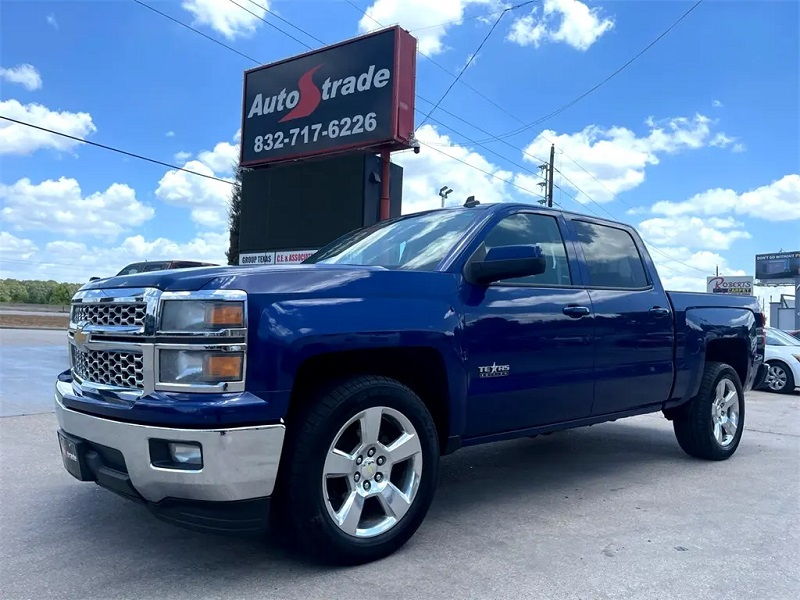
Budgeting for a used truck requires careful consideration of various costs to ensure you’re prepared to own and maintain a reliable vehicle. Owning a used truck comes with numerous expenses, including fuel, insurance, maintenance, and repairs, which can add up quickly.
Fuel Costs
When buying a used truck, fuel costs are a crucial factor to consider. The cost of fuel can vary depending on the size and type of truck, as well as the driver’s behavior. A large truck with a powerful engine will consume more fuel than a smaller, more fuel-efficient model. Additionally, driving habits such as aggressive acceleration and braking can also impact fuel efficiency.
Fuel costs can be estimated based on the truck’s fuel economy and the driver’s distance and frequency of use. For example, a truck with a fuel economy of 20 miles per gallon (mpg) and an average annual mileage of 20,000 miles will consume around 1,000 gallons of fuel per year. At an average fuel cost of $3 per gallon, the fuel costs for this truck would be approximately $3,000 per year.
Insurance Costs
Insurance costs for a used truck can vary significantly depending on factors such as the truck’s value, driver experience, and location. A more valuable truck will require higher insurance premiums, as the insurer will need to pay out more in the event of a loss.
Insurance costs can also be influenced by the driver’s history, with inexperienced or reckless drivers facing higher premiums. The location of the truck also plays a role, with urban areas typically having higher premiums than rural areas.
A general rule of thumb is to allocate 10-15% of the truck’s purchase price towards annual insurance costs. So, for a $20,000 truck, the insurance costs would be $2,000 to $3,000 per year.
Maintenance and Repair Costs
Maintenance and repair costs for a used truck can be significant, with the biggest expenses often related to wear and tear on critical components like engines, transmissions, and brakes. A truck that has been well-maintained will require fewer repairs, but it’s still essential to set aside a budget for maintenance and repairs.
It’s also important to consider the cost of maintenance and repairs over time. A truck with a poor maintenance history may require more frequent and expensive repairs, which can add up quickly.
A general rule of thumb is to allocate 2-5% of the truck’s purchase price towards annual maintenance costs. So, for a $20,000 truck, the maintenance costs would be $400 to $1,000 per year.
Calculating a Realistic Budget
To create a realistic budget for a used truck, consider all the factors mentioned above, including fuel, insurance, and maintenance costs. Then, use a comprehensive budgeting spreadsheet to calculate the total annual costs.
The total costs should include not only fixed expenses but also any variable expenses that may be incurred during the year. For example, repair costs may be high one year due to an unexpected breakdown, but low the next year due to regular maintenance.
A realistic budget should also take into account any potential savings or revenue that may come from owning a used truck, such as the savings on fuel or maintenance costs compared to a newer vehicle.
The budget should also be adjusted annually to account for any changes in fuel costs, insurance premiums, or maintenance expenses.
Local Regulations and Insurance Requirements for Used Trucks
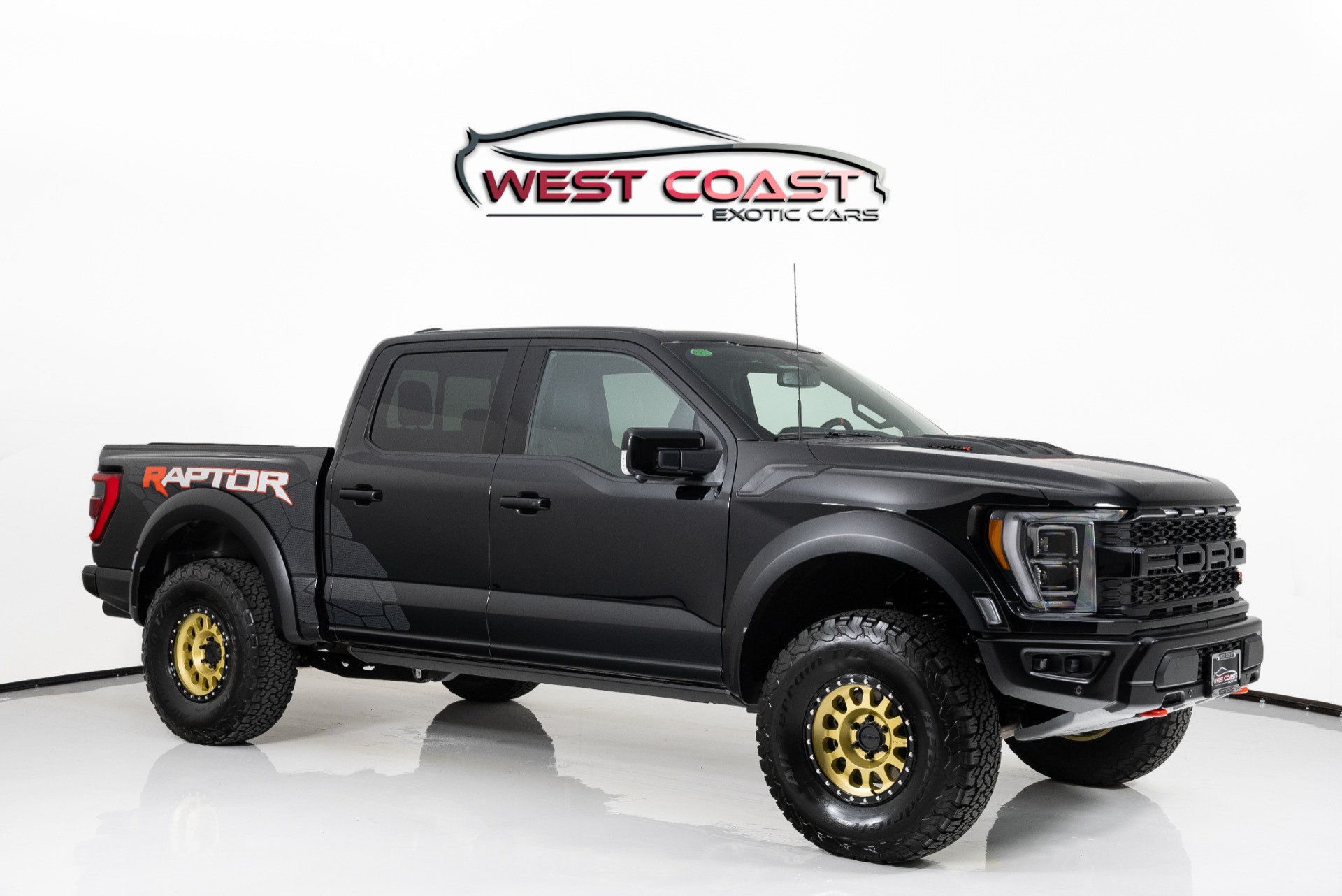
When purchasing a used truck, it’s essential to consider the local regulations and insurance requirements for truck ownership. These regulations can vary depending on the state, city, or even country you’re in, so it’s crucial to be aware of the specific laws and requirements in your area.
Local regulations for used trucks may include requirements for vehicle inspections, emissions testing, and registration. For example, some states have specific regulations for trucks operating in urban areas, such as restrictions on idling times or emissions standards. Understanding these regulations will help you avoid fines, penalties, or even having your truck impounded.
### Registration Requirements
Registration Requirements
In the United States, the registration requirements for used trucks vary from state to state. Each state has its own set of rules and regulations governing vehicle registration, such as:
- Vehicle Identification Number (VIN) verification: Make sure the VIN on your truck matches the one in the state’s database.
- Certificate of title: You’ll need to obtain a certificate of title from the previous owner or the state’s department of motor vehicles (DMV).
- Registration fees: Pay the required registration fees, which vary by state.
- Proof of insurance: Provide proof of insurance to register your used truck.
### Insurance Requirements
Insurance Requirements
In addition to registration requirements, insurance requirements for used trucks also vary by state and even by insurance company. Here are some common insurance requirements:
- Liability insurance: Most states require liability insurance to cover damages to other people or property in an accident.
- Collision insurance: Collision insurance covers damages to your truck in the event of an accident.
- Comprehensive insurance: Comprehensive insurance covers damages to your truck due to theft, vandalism, or other non-collision events.
- Uninsured/underinsured motorist insurance: This type of insurance covers you in case you’re involved in an accident with someone who doesn’t have insurance or enough insurance to cover your damages.
### Navigating Complexity
Navigating Complexity
Navigating the complexities of local regulations and insurance requirements can be challenging, but here are some tips to help:
- Research local regulations: Check with your state’s DMV or local government website to understand the specific regulations and requirements for truck ownership in your area.
- Consult with an insurance agent: A licensed insurance agent can help you navigate the insurance requirements and find the right policy for your used truck.
- Read your policy carefully: Make sure you understand what’s covered and what’s not under your policy.
- Ask questions: Don’t hesitate to ask questions or seek clarification on any aspect of the registration or insurance process.
Financing Options for Used Trucks – Exploring Your Choices
When purchasing a used truck, one of the most significant considerations is financing. With various options available, it can be overwhelming to decide which choice is best for your needs. In this section, we will explore the different financing options for used trucks, discussing their pros and cons, to help you make an informed decision.
### Loan Options:
Loans are one of the most common financing options for purchasing a used truck. A loan allows you to borrow money from a lender, which you then repay over a set period with interest.
- A traditional loan from a bank or credit union
- A dealership loan, often at a higher interest rate than a traditional loan
- A personal loan from a lender like LendingTree or LightStream
Each type of loan has its pros and cons. Traditional loans often have lower interest rates, but may require a longer loan period, leading to more interest paid over time. Dealership loans, on the other hand, may have shorter loan periods, but come with higher interest rates. Personal loans can offer flexibility, but may have higher interest rates and fees.
Repayment periods for loans can range from 24 to 84 months, depending on the type of loan and the lender.
### Leasing Options:
Leasing a used truck is another financing option that involves paying a predetermined amount for the use of the truck for a set period. At the end of the lease, you can return the truck or purchase it at a predetermined price.
- A closed-end lease, which is fixed with a set payment and no option to purchase at the end
- An open-end lease, which allows you to purchase the truck at the end of the lease period
- A walk-away lease, which requires zero or reduced penalties if you return the truck and terminate the lease
Leasing can offer advantages such as lower monthly payments and reduced maintenance costs. However, it may also come with a penalty for excessive wear and tear or mileage. When considering a lease, it’s essential to review the terms and conditions carefully.
The average lease duration for a used truck is 36 to 48 months.
Maintaining and Repairing Your Used Truck – Essential Tips
Maintaining and repairing your used truck is crucial to ensure its longevity and prevent costly repairs down the road. Regular maintenance tasks and proper repair techniques can save you time and money in the long run. Here are some essential tips to help you maintain and repair your used truck.
Regular Maintenance Tasks
Regular maintenance tasks are crucial to extend the life of your used truck. These tasks include:
- Oil changes: Regular oil changes are essential to keep your engine running smoothly. The recommended oil change interval is every 5,000 to 7,500 miles, depending on the manufacturer’s specifications and the type of oil used. Using the right type of oil for your truck’s engine can also help to increase its lifespan.
- Tire rotations: Tire rotations are essential to ensure even tread wear and prevent uneven wear patterns. Rotate your tires every 5,000 to 8,000 miles, or as recommended by the manufacturer.
- Brake pad replacements: Brake pads wear out over time and need to be replaced every 30,000 to 50,000 miles. Replacing brake pads can help to prevent accidents and ensure your truck’s safety.
- Battery checks: Battery checks are essential to ensure your truck’s battery is functioning properly. Check your battery every 6 months to ensure it is holding a charge and is not leaking.
These maintenance tasks can be performed by a professional mechanic or by yourself if you have the necessary skills and knowledge. Regular maintenance tasks can help to prevent costly repairs and extend the life of your used truck.
Identifying Potential Issues Before They Become Major Problems
Identifying potential issues before they become major problems can save you time and money in the long run. Here are some signs to look out for:
- Unusual noises: Unusual noises such as grinding, screeching, or clunking sounds can indicate a problem with your truck’s engine, transmission, or brake system.
- Oil leaks: Oil leaks can indicate a problem with your truck’s engine, transmission, or other components.
- Swaying or pulling: Swaying or pulling to one side can indicate a problem with your truck’s alignment, suspension, or tire wear.
- Difficulty starting: Difficulty starting can indicate a problem with your truck’s battery, starter, or ignition system.
If you notice any of these signs, it’s essential to have your truck inspected by a professional mechanic as soon as possible. Ignoring these signs can lead to major problems and costly repairs down the road.
When to Seek Professional Help
There are instances where it’s best to seek professional help to maintain and repair your used truck. Here are some examples:
- Complex repairs: If you’re unsure about how to perform a repair or if the repair is complex, it’s best to seek professional help.
- Safety concerns: If you notice any safety concerns such as a faulty brake system or a malfunctioning airbag, it’s essential to seek professional help immediately.
- Manufacturer’s recommendations: If the manufacturer recommends specific maintenance tasks or repairs, it’s best to follow their recommendations to ensure your truck’s warranty remains valid.
By following these tips and seeking professional help when needed, you can ensure your used truck runs smoothly and safely for years to come.
“Prevention is the best medicine.” Regular maintenance tasks and proper repair techniques can save you time and money in the long run.
Used Truck Reviews and Ratings – How to Make an Informed Decision: Used Trucks Near Me
When researching a used truck, it’s essential to gather information from multiple sources to make an informed decision. With numerous online review platforms, forums, and owner experiences, it can be overwhelming to navigate and understand what to look for. This segment will guide you through the process of evaluating and comparing used truck reviews and ratings to ensure you find the right vehicle for your needs.
Reading Reviews from Multiple Sources
It’s crucial to consult various review sources to get a comprehensive understanding of a used truck’s performance, reliability, and overall quality. This includes online review platforms like Consumer Reports, Edmunds, and Kelley Blue Book, as well as forums and social media groups dedicated to truck owners. Consider the following types of reviews when researching:
- Owner reviews: These provide first-hand accounts from actual truck owners, offering valuable insights into the pros and cons of a particular model.
- Expert reviews: These come from professionals who have tested and reviewed the trucks, often providing detailed analysis and comparisons.
- Technical specifications: These include data on the truck’s performance, fuel efficiency, and features, which can help you compare different models.
Evaluating and Comparing Ratings
Once you’ve gathered reviews from various sources, it’s essential to evaluate and compare the ratings to get a clear picture of a used truck’s overall quality and performance. Look for the following:
- Rating scales: Understand the review platform’s rating system, such as 5-star or 1-5 scale, and how it’s applied to different categories, like fuel efficiency or reliability.
- Weighted ratings: Some review platforms assign more weight to certain categories, like safety features or interior comfort. Be aware of these weighted ratings when comparing reviews.
- Average ratings: Calculate the average rating from multiple review sources to get a more comprehensive understanding of a used truck’s performance.
Factoring in Owner Feedback
When evaluating used truck reviews, it’s also essential to consider the insights provided by owners who have actual experience with the vehicle. Look for comments on:
- Common issues: Identify any recurring problems or concerns mentioned by owners, which can indicate potential issues with the truck.
- Sentiment analysis: Analyze the overall sentiment of owner feedback, including positive and negative comments, to gauge the truck’s overall reputation.
- Recommendations: Pay attention to recommendations and warnings from owners, which can provide valuable guidance when making a decision.
Closure
After considering the factors mentioned above, finding the right used truck for you should be a breeze. Remember to prioritize your needs, do your research, and don’t hesitate to ask questions. With the right information and approach, you’ll be driving away in your new used truck in no time. Happy shopping!
FAQ Summary
What is the best way to inspect a used truck before purchase?
Take the time to research the truck’s history, check for any existing damage or mechanical issues, and review its maintenance records. It’s also a good idea to take a mechanic along for the inspection.
Can I finance a used truck?
Yes, many lenders offer financing options for used trucks, including loans and leasing contracts. Be sure to carefully review the terms and conditions before making a decision.
How often should I maintain my used truck?
Regular maintenance is essential to extending the life of your used truck, and maintaining it once a month can prevent major issues from forming.
What are some common safety features to look for in a used truck?
Some essential safety features to look for include airbags, anti-lock brakes, and electronic stability control. Be sure to also check the truck’s overall condition and potential repair costs.

