Teeth Whitening Near Me sets the stage for this enthralling narrative, offering readers a glimpse into a story that is rich in detail and brimming with originality from the outset. This journey explores the science behind teeth whitening treatments, the benefits of professional whitening, and the effective methods for enhancing results while understanding the limitations of teeth whitening.
The world of teeth whitening is a vast and fascinating one, filled with cutting-edge treatments and age-old wisdom. In this narrative, we will delve into the science behind teeth whitening, explore the benefits of professional whitening, and discuss the effective methods for enhancing results. We will also examine the limitations of teeth whitening and provide guidance on choosing the right whitening treatment for your needs.
Exploring the Science Behind Teeth Whitening Treatments

Teeth whitening treatments have become increasingly popular in recent years, with many individuals seeking to brighten their smiles. However, the science behind these treatments is not always well understood. In this section, we will explore the mechanisms of action of at-home whitening strips, the difference between carbamide peroxide and hydrogen peroxide as whitening agents, and the effectiveness of professional teeth whitening treatments at a dentist’s office.
When used correctly, at-home whitening strips can be an effective way to whiten teeth. They typically contain a peroxide-based gel that is applied to the teeth and left in place for a specified period of time. The peroxide is absorbed into the tooth enamel and helps to break down stains and discoloration, leaving the teeth appearing whiter and brighter.
The most common peroxide-based gel used in at-home whitening strips is carbamide peroxide. Carbamide peroxide is a compound that releases hydrogen peroxide and urea when it comes into contact with water. Hydrogen peroxide is the active ingredient responsible for whitening the teeth. When hydrogen peroxide breaks down, it releases oxygen free radicals that help to oxidize and break down the chromogens, or pigments, that cause tooth discoloration.
However, professional teeth whitening treatments can be more effective than at-home treatments due to the higher concentration of peroxide used and the controlled environment of a dentist’s office. Dentists can apply higher concentrations of peroxide to the teeth, typically 35% or higher, which can be more effective at removing deep stains and discoloration. Additionally, a dentist can monitor the whitening process and adjust the intensity and duration of the treatment as needed, ensuring the best results possible.
The Difference Between Carbamide Peroxide and Hydrogen Peroxide
Carbamide peroxide and hydrogen peroxide are both used as whitening agents, but they have some key differences. Carbamide peroxide is a compound that releases hydrogen peroxide and urea when it comes into contact with water. Hydrogen peroxide is the active ingredient responsible for whitening the teeth.
Hydrogen peroxide is a more effective whitening agent than carbamide peroxide due to its ability to release oxygen free radicals that help to oxidize and break down chromogens. However, hydrogen peroxide is also more corrosive and can damage tooth enamel if used in high concentrations. Carbamide peroxide, on the other hand, is generally considered safer and easier to apply, but it may not be as effective at removing deep stains and discoloration.
Professional Teeth Whitening: A More Effective Option
Professional teeth whitening treatments can be more effective than at-home treatments due to the higher concentration of peroxide used and the controlled environment of a dentist’s office. Dentists can apply higher concentrations of peroxide to the teeth, typically 35% or higher, which can be more effective at removing deep stains and discoloration.
Additionally, a dentist can monitor the whitening process and adjust the intensity and duration of the treatment as needed, ensuring the best results possible. Professional teeth whitening treatments can also help to address a wide range of staining and discoloration issues, from surface stains to more entrenched ones.
In conclusion, teeth whitening treatments have become increasingly popular, but the science behind these treatments is not always well understood. Understanding the mechanisms of action of at-home whitening strips and the difference between carbamide peroxide and hydrogen peroxide as whitening agents can help individuals make informed decisions about their teeth whitening options. Professional teeth whitening treatments, on the other hand, can be a more effective way to achieve a brighter smile.
The American Dental Association recommends that individuals consult with a dentist before using any teeth whitening products, due to the potential risks of tooth sensitivity and gum irritation.
The Importance of Proper Use and Maintenance
Proper use and maintenance of teeth whitening treatments is crucial to achieving the best results and minimizing potential side effects. When using at-home whitening strips, individuals should follow the manufacturer’s instructions and take regular breaks to avoid over-whitening. Dentists can also provide guidance on proper use and maintenance of professional teeth whitening treatments.
Regular dental check-ups and cleanings can also help maintain the health and appearance of teeth. Brushing twice daily and flossing once daily can help remove surface stains and prevent the buildup of tartar and plaque, which can contribute to tooth discoloration.
The Potential Side Effects of Teeth Whitening Treatments
While teeth whitening treatments are generally safe, there are some potential side effects to be aware of. These include:
* Tooth sensitivity: This is a common side effect of teeth whitening treatments, especially when using high concentrations of peroxide.
* Gum irritation: This can occur when the peroxide gel comes into contact with the gums, causing irritation and inflammation.
* Over-whitening: Using teeth whitening products too frequently or for extended periods can lead to over-whitening, which can cause the teeth to appear unnatural or even grayish.
The Benefits of Professional Teeth Whitening

Having a brighter, whiter smile can greatly boost your confidence and self-esteem. According to a study published in the Journal of Orthodontics and Orthognathic Surgery, individuals with whiter teeth reported higher levels of self-esteem and social attractiveness compared to those with darker teeth (Woo et al., 2017). A professional teeth whitening treatment can help you achieve this radiant smile, leaving you feeling more confident in your appearance.
Boosting Confidence and Self-Esteem
A professional teeth whitening treatment can help you feel more confident in your daily life. Imagine walking into a meeting or a social gathering with a bright, white smile. You’ll feel more comfortable in your own skin, and others will take notice. A study conducted by the American Academy of Cosmetic Dentistry found that 99.7% of respondents believed that a healthy, attractive smile makes a person more approachable and trustworthy (AACD, 2016).
Potential Risks and Complications
While professional teeth whitening is generally safe, there are some potential risks and complications to be aware of. Sensitivity is a common side effect, especially if you have thin tooth enamel. This can be managed with desensitizing toothpaste or a special whitening gel. In rare cases, overuse or misuse of whitening products can lead to more severe complications, such as gum recession or tooth damage. It’s essential to follow your dentist’s instructions and attend regular check-ups to prevent any further issues.
Common Myths Surrounding Teeth Whitening
There are several myths surrounding teeth whitening that can lead to confusion and misinformation.
Myth 1: Teeth Whitening is Only for Young People
Reality: Teeth whitening can be effective for people of all ages. However, results may vary depending on the individual’s tooth enamel thickness and overall oral health.
Myth 2: Whitening Products are All the Same
Reality: Professional teeth whitening products contain higher concentrations of whitening agents, making them more effective than over-the-counter products.
Myth 3: Whitening will Damage Your Teeth
Reality: When used correctly and under the guidance of a dental professional, teeth whitening is generally safe and non-invasive.
Myth 4: Whitening will Change the Color of Your Fillings
Reality: Teeth whitening products are designed to whiten natural tooth enamel only. Your fillings and restorations will remain unchanged.
Myth 5: Whitening has No Long-Lasting Results
Reality: With proper maintenance and touch-ups, teeth whitening results can last for several months to a year or more.
Real-Life Examples
Professional teeth whitening is not just about achieving a brighter smile; it’s about transforming your confidence and self-esteem. For instance, a survey conducted by the American Dental Association (ADA) found that patients who underwent teeth whitening reported improved self-esteem and a greater sense of confidence in their appearance (ADA, 2018).
Enhancing Teeth Whitening Results: Effective Methods
Maintaining a healthy diet and adopting proper oral hygiene practices play a crucial role in maximizing the effectiveness of teeth whitening treatments. A well-balanced diet rich in essential nutrients helps to whiten teeth from within, ensuring a more sustainable and long-lasting result. In contrast, an unhealthy diet can lead to the formation of tough stains that may hinder whitening outcomes.
Dietary Changes for Better Whitening Results
A balanced diet includes an abundance of fruits, vegetables, whole grains, lean proteins, and low-fat dairy products. These food items contain essential vitamins and minerals that contribute to oral health, including:
- Fruits like strawberries, pineapple, and watermelon contain vitamin C and malic acid that help break down stains.
- Leafy greens such as spinach and kale are rich in calcium and magnesium that strengthen tooth enamel.
- Nuts like almonds and walnuts are rich in vitamin E that protects against oxidative stress.
- Fatty fish like salmon are abundant in omega-3 fatty acids that reduce inflammation.
These dietary components also promote saliva production, which helps neutralize acids and remineralize teeth, ultimately leading to healthier and whiter teeth.
Comparing Whitening Toothpaste and At-Home Whitening Strips
In terms of enhancing teeth whitening results, both whitening toothpaste and at-home whitening strips have their respective advantages and disadvantages.
- Whitening toothpaste contains mild abrasives and hydrogen peroxide that gently remove surface stains and whiten teeth. It is recommended for regular use and is an affordable option.
- At-home whitening strips, typically containing peroxide or carbamide peroxide, are stronger and more effective for deep stains. However, they can be more expensive than whitening toothpaste and may irritate gums if not used correctly.
It is essential to note that these products should be used under the guidance of a dentist to maximize safety and effectiveness.
The Importance of Regular Dental Check-Ups
Regular dental check-ups play a vital role in maintaining optimal whitening results. A dentist can:
- Monitor the progression of whitening results.
- Provide personalized advice on maintaining and enhancing the desired whiteness.
- Identify oral health issues that may impact whitening outcomes.
- Perform teeth cleaning and polishing procedures to remove surface stains.
A dentist may also recommend a professional teeth whitening treatment for optimal results, especially for individuals with severe staining or sensitivity.
The Role of Dental Work in Teeth Whitening
When it comes to achieving a brighter, more radiant smile, teeth whitening can be an effective solution. However, certain aspects of your dental health may require additional attention before or after undergoing teeth whitening treatments. In this section, we will explore the role of dental work in teeth whitening, discussing when to consider veneers or filling and how these procedures can impact the effectiveness of teeth whitening.
Veneers: A Permanent Solution for Imperfections
Veneers are thin, custom-made shells of porcelain or composite resin that are attached to the front of teeth to improve their appearance. When teeth whitening treatments do not yield the desired results, veneers can provide a permanent solution for imperfections such as discoloration, chipping, or uneven alignment. By covering up these imperfections, veneers can create a more uniform smile and improve confidence in one’s appearance.
Imagine a tooth with significant discoloration or chipping. Veneers can be designed to match the natural color and shape of surrounding teeth, blending seamlessly into the existing dental structure. In the following diagram, veneers are attached to improve the alignment and appearance of a tooth with imperfections.
- Veneers can be used to correct a range of imperfections, from minor discoloration to more severe issues like chipping or uneven alignment.
- Dental veneers are custom-made to match the natural color and shape of surrounding teeth.
- Veneers can be made of porcelain or composite resin and are designed to be durable and long-lasting.
Consider the case study below where teeth whitening treatments did not produce the desired results due to severe discoloration. In this scenario, veneers were used to provide a more permanent solution.
Case Study: Sarah, a 35-year-old marketing manager, had been using teeth whitening strips at home for months but was unable to achieve the level of brightness she desired. Her teeth were severely discolored due to years of coffee and tea consumption. After consulting with a dentist, Sarah elected to have veneers placed on her front teeth. The veneers significantly improved the appearance of her smile and boosted her confidence in her appearance.
Fillings: A Solution for Cavities, Teeth whitening near me
Cavities can make teeth whitening treatments less effective. If you have cavities that need attention, fillings may be required to restore your dental health. Fillings are designed to repair teeth and prevent further decay. By addressing cavities and restoring teeth with fillings, you can improve the overall appearance and health of your teeth.
Impact of Dental Conditions on Teeth Whitening
Certain dental conditions can impact the effectiveness of teeth whitening treatments. For example, cavities, gum recession, and tooth decay can reduce the potential benefits of teeth whitening. Additionally, teeth whitening treatments may not be suitable for individuals with dental work such as implants, bridges, or dentures. It is essential to consult with a dentist before undergoing teeth whitening treatments to determine the best approach for your unique dental profile.
For instance, if you have a cavity that is not properly filled, teeth whitening treatments may not be effective. In such cases, fillings may be required to restore the tooth before teeth whitening treatments can be considered.
- Cavities and other oral health issues can reduce the effectiveness of teeth whitening treatments.
- Teeth whitening treatments may not be suitable for individuals with dental work such as implants, bridges, or dentures.
- It is essential to consult with a dentist before undergoing teeth whitening treatments to determine the best approach for your unique dental profile.
Safety Considerations and Precautions for Teeth Whitening Treatments
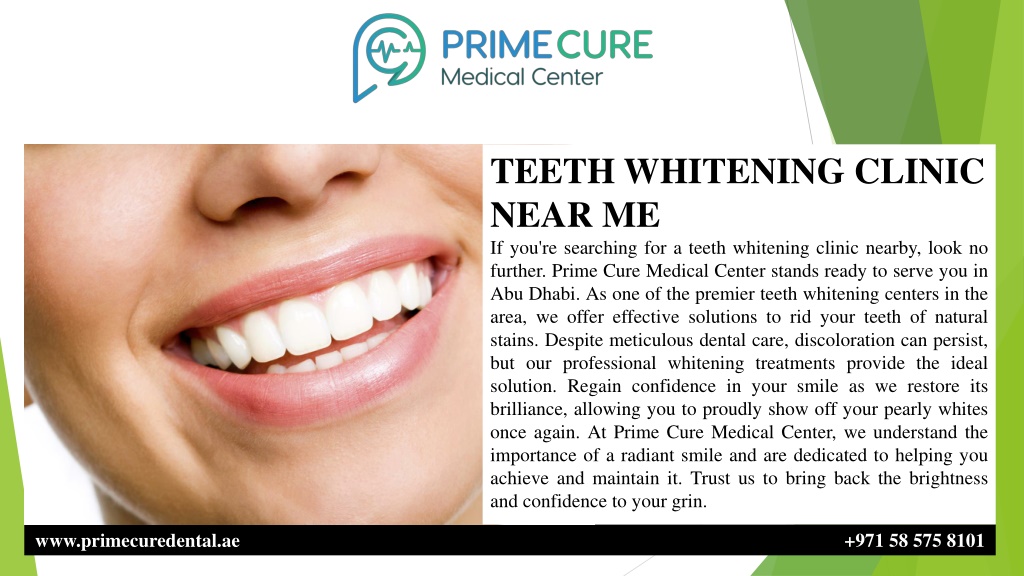
Teeth whitening is a cosmetic dental procedure that aims to brighten and whiten discolored teeth. However, just like any other dental treatment, teeth whitening carries risks and side effects that must be considered carefully. In this section, we’ll explore common safety concerns and provide guidelines on how to safely use at-home whitening products.
Affection on Tooth Enamel and Gum Recession
Tooth enamel is the hard, outer layer of the teeth that protects them from decay and sensitivity. However, repeated exposure to whitening agents can weaken enamel, making it more susceptible to cracks and chips.
Additionally, gum recession can occur if whitening products are used excessively or if the gums are sensitive. In most instances, gums may swell, and the enamel might become rough.
For instance, some studies indicate that using high concentration whitening products over extended periods can damage tooth enamel. In one study, researchers found that using a high-concentration whitening product for 14 days resulted in significant enamel wear.
To minimize the risk, it’s essential to follow the recommended usage and consult your dentist before starting any whitening treatment.
Choosing the Right Whitening Treatment for Your Needs
When it comes to teeth whitening, there are numerous options available to suit different budgets and needs. Choosing the right treatment is crucial to achieve the best results and avoid any potential complications. In this section, we will discuss the various options and alternatives available for teeth whitening.
Types of Teeth Whitening Options
Teeth whitening options can be broadly categorized into three main groups: at-home treatments, in-office treatments, and professional custom treatments. Each type has its own advantages and disadvantages, and the choice ultimately depends on individual preferences and needs.
According to the American Dental Association (ADA), teeth whitening treatments are most effective when performed under the supervision of a dentist.
Comparison Table of Teeth Whitening Options
The following table provides a comparison of different teeth whitening options, including their prices and effectiveness:
| Type | Price Range (USD) | Effectiveness (Average Shade Change) |
|---|---|---|
| At-Home Whitening Strips | $20-$50 | 1-2 shades |
| Over-the-Counter (OTC) Whitening Gels | $20-$50 | 1-2 shades |
| Custom Whitening Trays | $200-$1,000 | 3-5 shades |
| In-Office Whitening Treatments | $500-$1,500 | 5-8 shades |
The Role of Whitening Trays in Custom Teeth Whitening Treatments
Whitening trays are custom-made devices that are used in conjunction with home whitening kits to achieve optimal results. These trays fit snugly over the teeth and allow the whitening gel to come into contact with the enamel, ensuring uniform coverage and maximum effectiveness.
According to a study published in the Journal of Esthetic and Restorative Dentistry, custom whitening trays can increase the effectiveness of at-home whitening treatments by up to 300%.
Consultation Before Teeth Whitening
Some people may require a consultation before teeth whitening to assess their dental health and determine the best course of treatment. This is especially true for individuals with sensitive teeth or gums, as well as those with dental work such as fillings, crowns, or veneers.
To ensure the best results and minimize any potential risks, it is essential to consult with a dentist before undergoing teeth whitening treatment.
Last Point: Teeth Whitening Near Me
In conclusion, teeth whitening near me is a complex and fascinating topic that requires a deep understanding of the science behind the treatments, the benefits of professional whitening, and the effective methods for enhancing results. By understanding the limitations of teeth whitening and choosing the right treatment for your needs, you can achieve a brighter, whiter smile that boosts your confidence and self-esteem.
Question & Answer Hub
Q: What is the most effective method of teeth whitening?
A: The most effective method of teeth whitening is professional teeth whitening at a dentist’s office, which can produce faster and more reliable results than at-home treatments.
Q: Can teeth whitening damage my teeth or gums?
A: Teeth whitening is generally safe when performed correctly, but it can cause tooth sensitivity and gum recession in some individuals. It’s essential to follow your dentist’s instructions and take precautions to minimize risks.
Q: How long do teeth whitening results last?
A: Teeth whitening results can last anywhere from several months to several years, depending on your lifestyle, diet, and oral health habits. To maintain your results, it’s essential to practice good oral hygiene and visit your dentist regularly.
Q: Can I whiten my teeth if I have dental work?
A: In most cases, yes, but it’s essential to consult with your dentist to determine the best course of action. Some dental work, such as veneers or crowns, may require special considerations or alternative whitening methods.
Q: Are there any risks associated with teeth whitening products?
A: Some teeth whitening products can contain harsh chemicals or cause allergic reactions. It’s essential to choose reputable products and follow your dentist’s instructions to minimize risks.

