Teeth Cleaning Near Me sets the stage for this engaging narrative, offering readers a glimpse into a story that is rich in detail, creatively persuasive, and brimming with originality from the outset. The importance of regular teeth cleaning cannot be overstated, as it plays a crucial role in maintaining good oral health and overall wellbeing. In this article, we will delve into the world of teeth cleaning near me, exploring the various types of professional teeth cleaning services available, techniques and procedures used, and best practices for maintaining clean teeth between professional cleanings.
The Importance of Regular Teeth Cleaning for Maintaining Good Oral Health
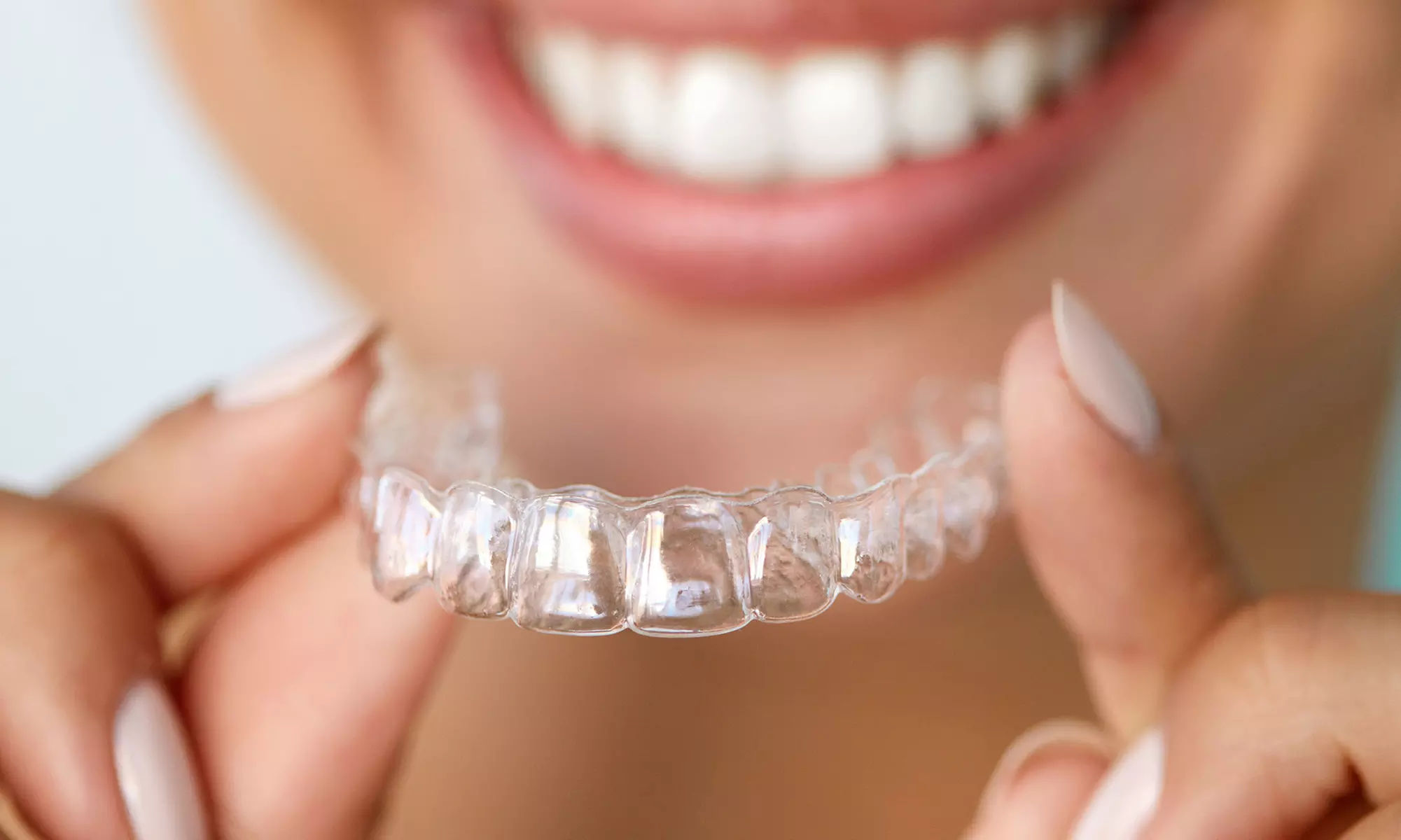
In a world where oral health is often overlooked, regular teeth cleaning stands as a crucial ally in the fight against a multitude of health issues. The consequences of poor oral hygiene are far-reaching, impacting not only our teeth and gums but also our overall well-being.
The Devastating Consequences of Poor Oral Hygiene
Poor oral hygiene has been linked to a plethora of health problems, including cardiovascular disease, diabetes, and respiratory infections. Research has shown that there is a direct correlation between gum disease and an increased risk of heart disease, with inflammation caused by bacteria in the mouth contributing to the narrowing of arteries. Similarly, diabetes patients are more susceptible to gum disease, which can exacerbate the condition. Furthermore, respiratory infections can be transmitted through the mouth, highlighting the interconnectedness of oral health and overall health.
- Cardiovascular Disease: Studies have found that individuals with gum disease are more likely to experience heart attacks, strokes, and other cardiovascular events.
- Diabetes: The presence of gum disease in diabetics can worsen blood sugar control, increasing the risk of complications.
- Respiratory Infections: Poor oral hygiene can lead to the transmission of bacteria that cause respiratory infections, such as pneumonia.
The Benefits of Regular Teeth Cleaning
Regular teeth cleaning offers a plethora of benefits, from preventing tooth decay and gum disease to maintaining a healthy, beautiful smile. By removing plaque and bacteria, regular cleaning prevents the formation of tartar, which can lead to tooth decay and gum disease. Moreover, regular cleaning helps maintain the health of gums, preventing inflammation and bleeding.
- Prevention of Tooth Decay: Regular cleaning removes plaque and bacteria, preventing the formation of cavities.
- Prevention of Gum Disease: Regular cleaning helps maintain healthy gums, preventing inflammation and bleeding.
- Maintenance of a Healthy, Beautiful Smile: Regular cleaning ensures that teeth remain strong, white, and free from stains.
Other Benefits of Regular Teeth Cleaning
Regular teeth cleaning also has several other benefits, including the prevention of bad breath, the maintenance of healthy teeth, and the enhancement of overall self-confidence. Bad breath can be a source of embarrassment and discomfort, while unhealthy teeth can lead to anxiety and insecurity. Regular cleaning can alleviate these concerns, leading to a greater sense of self-confidence and well-being.
Regular teeth cleaning is not just a matter of oral health; it’s a matter of overall well-being.
The Importance of Scheduling Regular Cleanings
To reap the benefits of regular teeth cleaning, it is essential to schedule regular cleanings. Whether it’s every six months or every three months, regular cleanings ensure that teeth remain healthy and strong. By maintaining a regular cleaning schedule, individuals can prevent a multitude of health problems and maintain a healthy, beautiful smile.
Types of Professional Teeth Cleaning Services Available Near Me
In the realm of dental care, professional teeth cleaning services come in various forms, each with its unique purposes and benefits. Regular teeth cleaning is an essential aspect of maintaining good oral health, and understanding the different types of services available can help individuals make informed decisions about their dental care.
Types of Teeth Cleaning Services
There are several types of teeth cleaning services offered by dental professionals, each catering to specific needs and circumstances.
- Routine Cleanings
- Deep Cleanings
- Laser Cleanings
- Whitening Cleanings
- Advantages of Professional Teeth Cleaning Services:
- Prevents the buildup of tartar and plaque, reducing the risk of various dental problems.
- Removes stubborn stains and discoloration, making the teeth appear brighter and whiter.
- Can be more comfortable than at-home maintenance, especially for patients with sensitive teeth or gums.
- Drawbacks of Professional Teeth Cleaning Services:
- Can be time-consuming and may require multiple visits.
- May be more expensive than at-home maintenance.
- May require specialized equipment or training, limiting the availability of services in certain areas.
-
During an X-ray examination, the dentist will ask you to bite down on a special device to secure your jaws in place.
-
The X-ray machine will then emit a brief, high-pitched beep, and a series of images will be captured.
-
The dentist will review the X-rays, searching for signs of cavities, gum disease, or other concerns.
- Excessive Force: Brushing teeth too hard can cause damage to enamel and gums, leading to sensitivity and tooth loss. The American Dental Association recommends brushing teeth gently with a soft-bristled toothbrush, using a gentle back-and-forth motion.
- Lack of Tongue Cleaning: Failing to clean the tongue can lead to the accumulation of bacteria, resulting in bad breath and gum disease. The tongue should be brushed daily with a soft-bristled toothbrush to remove bacteria and debris.
- Neglecting Regular Professional Cleanings: Failure to visit a dentist for regular cleanings can lead to the buildup of plaque and tartar, contributing to oral health problems. It is recommended that individuals visit the dentist every six months for a professional cleaning.
- Tobacco Use: Smoking and tobacco use can significantly contribute to oral health problems, including gum disease, tooth decay, and mouth cancer. Quitting tobacco use is crucial to maintaining a healthy smile.
- The Importance of a Balanced Diet: A well-balanced diet rich in fruits, vegetables, and whole grains can help maintain a healthy smile. Eating a variety of foods helps to neutralize acid and remineralize teeth.
- The Dangers of Sugary Snacks: Consuming sugary snacks and drinks can lead to tooth decay and other oral health problems. Opting for healthy snack options, such as fruits and nuts, can help to maintain a healthy smile.
- Meditation: Meditation involves focusing one’s attention on the present moment, without judgment. By practicing meditation, individuals can calm their minds and reduce anxiety. One can find guided meditation clips online, which can guide you through the process.
- Deep Breathing: Deep breathing involves taking slow, deep breaths to calm the nervous system. This can help slow down the heart rate and reduce anxiety. When you breathe in, inhale deeply and exhale slowly. Try inhaling for 4 seconds, holding for 4 seconds, and exhaling for 4 seconds.
- Positive Self-Talk: Positive self-talk involves using positive affirmations to calm the mind and reduce anxiety. Repeat phrases such as “I am strong,” “I can do this,” or “I am safe” to yourself during the procedure.
- Regular brushing and flossing are crucial for removing plaque and bacteria, helping to prevent tooth decay.
- Children should brush their teeth at least twice a day, in the morning and before bedtime, using a soft-bristled toothbrush and a Child-friendly toothpaste.
- Supervise children while they are brushing their teeth to ensure they do so correctly and effectively.
- Limit sugary and acidic foods and drinks, which contribute to tooth decay.
- Electric toothbrushes: easier to grip and maneuver, with built-in timers and adjustable speed settings.
- Oral irrigators: help to remove plaque, bacteria, and food particles, reducing the risk of gum disease.
- Assistive devices: specialized dental tools that can be used to improve oral hygiene, such as ergonomic toothbrush handles and angled floss.
- Dental care assistants: trained professionals that can assist with oral hygiene tasks.
Routine cleanings are the most common type of teeth cleaning service, performed by dental hygienists or dentists. These cleanings involve the removal of plaque and tartar from the teeth using specialized instruments. Regular routine cleanings can help prevent the buildup of tartar and reduce the risk of various dental problems. The frequency of routine cleanings varies depending on individual needs, but most adults need to visit their dentist for a routine cleaning every 6 months. The cost of routine cleanings can range from $75 to $200, depending on the location and the provider.
Deep cleanings, also known as scaling and root planing, are a more comprehensive type of teeth cleaning service. These cleanings involve the removal of tartar and plaque from below the gum line, both above and below the gum line. Deep cleanings are typically performed on patients with gum disease or other oral health issues. The procedure can be time-consuming and may require multiple visits, but it can provide long-term benefits for oral health. The cost of deep cleanings can range from $200 to $1,000, depending on the complexity of the procedure and the provider.
Laser cleanings are a modern type of teeth cleaning service that utilizes a laser to remove plaque and tartar from the teeth. This type of cleaning is often used for patients with sensitive teeth or gums, as the laser can be less invasive than traditional cleaning methods. Laser cleanings can also be a good option for patients who want a more comfortable cleaning experience. The cost of laser cleanings can range from $150 to $500, depending on the provider and the location.
Whitening cleanings are a type of teeth cleaning service that incorporates teeth whitening procedures, making the teeth appear brighter and whiter. This type of cleaning involves the application of a whitening solution to the teeth, which is left on for several minutes to allow the whitening agents to penetrate the enamel and break down stains. Whitening cleanings can be performed on patients with yellow or discolored teeth, providing a quick and efficient way to brighten the appearance of the smile. The cost of whitening cleanings can range from $100 to $300, depending on the provider and the location.
Examples of Dental Clinics and Providers
There are various dental clinics, dental schools, and private practitioners that offer teeth cleaning services near you.
| Dental Clinic/Provider | Location | Hours of Operation | Contact Information |
|---|---|---|---|
| Dental School of [City] | 123 Main St, [City], [State] | Monday – Friday: 8am – 5pm, Saturday – Sunday: Closed | (phone number) (email address) |
| Delta Dental Clinic | 456 Elm St, [City], [State] | Monday – Thursday: 7am – 7pm, Friday: 7am – 5pm, Saturday – Sunday: Closed | (phone number) (email address) |
Benefits and Drawbacks of Professional Teeth Cleaning Services
While professional teeth cleaning services can provide numerous benefits, there are also some potential drawbacks to consider.
Comparison of Professional Teeth Cleaning Services and At-Home Maintenance
Professional teeth cleaning services are an essential aspect of maintaining good oral health, but they can be more expensive than at-home maintenance. However, the benefits of professional cleaning services, including the prevention of tartar and plaque buildup and the removal of stubborn stains and discoloration, make them a valuable investment in oral health.
Professional teeth cleaning services can help prevent various dental problems, including gum disease, tooth decay, and even heart disease. Regular cleaning services can also help maintain the confidence and self-esteem that comes with a healthy, bright smile.
Techniques and Procedures Used in Teeth Cleaning Near Me
The gentle art of teeth cleaning, a symphony of instruments and skill, performed by those who tend to our teeth with care. In this section, we delve into the steps involved in a routine teeth cleaning, highlighting the crucial role of scaling, polishing, and flossing in maintaining good oral health.
Scaling: Removing the Build-up
Scaling, the initial step in teeth cleaning, involves the removal of plaque and tartar, those unwanted deposits that cling to our teeth like shadows. Two main types of scaling methods are used: ultrasonic scalers and manual scalers. The former uses high-frequency vibrations to shatter and remove tartar, while the latter relies on a gentle rocking motion to dislodge the deposits. The goal of scaling is to leave our teeth smooth and shiny, free from the sticky residue that feeds the bacteria.
Ultrasonic scalers are ideal for removing tartar and plaque from areas where manual scalers cannot reach.
Polishing: Smoothing the Ride
Following scaling, the dentist polishes our teeth using a series of gentle strokes with a rotary brush. This technique helps to remove any remaining plaque or bacteria, leaving our teeth feeling smooth and refreshed. The polishing tool works in tandem with a mild abrasive paste, designed to gently scrub away the surface imperfections, revealing a brighter, more radiant smile.
Flossing: The Finishing Touch
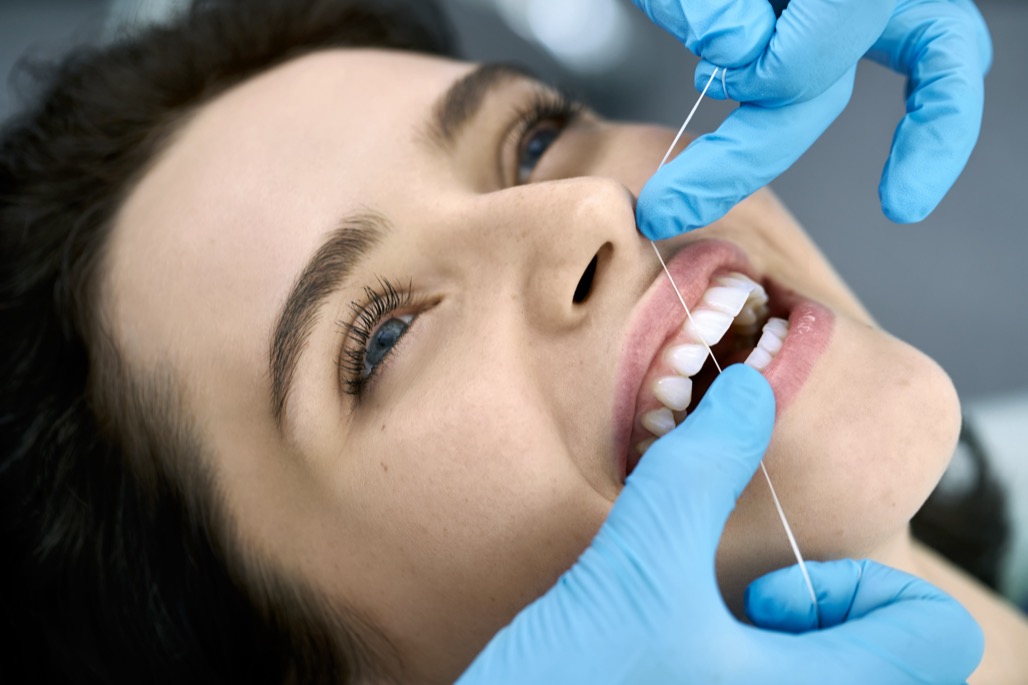
Flossing is the final step in a routine teeth cleaning, and it’s crucial for removing any remaining food particles and plaque from the interdental spaces. Using a long, thin piece of string-like material, we carefully weave the floss between our teeth, curving it around the gumline to remove the deposits that accumulate there. This process, repeated regularly, helps to prevent the buildup of plaque and prevents gum disease from taking hold.
X-Rays: Uncovering Hidden Issues
X-rays, a diagnostic tool used in conjunction with teeth cleaning, help identify hidden oral health issues that may not be visible to the naked eye. By taking precise images of our teeth and surrounding tissues, dentists can detect cavities, periodontal disease, and other complications that demand attention. This non-invasive technique provides invaluable information, allowing dentists to tailor their treatment plans to meet the unique needs of each patient.
The Pitfalls of Neglecting Oral Hygiene: Avoiding Common Mistakes in Teeth Cleaning
In the pursuit of a flawless smile, many individuals overlook the importance of proper teeth cleaning techniques, ultimately leading to oral health problems. The consequences of neglecting one’s teeth can be dire, causing discomfort, pain, and even long-term damage. It is essential to recognize and avoid common mistakes that can undermine the health of our teeth and gums.
Using excessive force while brushing can cause damage to enamel and gums, leading to sensitivity and tooth loss. Brushing too hard can also wear down the toothbrush itself, rendering it ineffective. Furthermore, neglecting to clean the tongue and the areas between teeth can lead to the accumulation of bacteria, resulting in bad breath and gum disease.
s to Avoid: Excessive Force, Lack of Tongue and Interdental Cleaning
s to Avoid: Neglect and Tobacco Use
Snacking the Right Way: Choosing Healthy Options
The key to a healthy smile is a combination of proper brushing and flossing techniques, regular professional cleanings, and a balanced diet.
Tips for Managing Anxiety or Fear of the Dentist During Teeth Cleaning
Dental anxiety and phobia are common concerns that can make the experience of teeth cleaning unbearable. Many individuals have experienced past traumatic events or fear of pain that has led to anxiety or avoidance of dental procedures. For those who are anxious or fearful of dentists, regular teeth cleaning can be a daunting task. However, with the right approach and mindset, it is possible to manage anxiety and have a positive experience.
The Causes of Dental Anxiety and Phobia
Dental anxiety and phobia are often caused by past experiences, fear of pain, or fear of the unknown. Some individuals may have had a traumatic experience at the dentist in the past, such as a painful procedure or an unpleasant encounter with a dentist. Others may fear the drill or the thought of having needles or anesthesia injected. Whatever the cause, it can be managed and overcome with the right approach.
Relaxation Techniques for Managing Anxiety
There are several relaxation techniques that can help manage anxiety during teeth cleaning. These include:
These techniques can be practiced before, during, and after the procedure to help manage anxiety and reduce discomfort.
Choosing a Gentle and Caring Dentist
Choosing a gentle and caring dentist is crucial for individuals with dental anxiety. A good dentist will take the time to understand your concerns and fears, and will work with you to create a positive and comfortable experience.
* Patient Testimonials: Read reviews and testimonials from other patients who have had similar experiences. This can give you an idea of the dentist’s bedside manner and the level of care provided.
* Staff Friendliness: Pay attention to how the dental staff interacts with you. Do they seem friendly and caring? Do they take the time to explain the procedure and answer your questions?
By choosing a gentle and caring dentist and practicing relaxation techniques, individuals with dental anxiety can have a positive experience and maintain good oral health.
Creating a Comfortable Environment, Teeth cleaning near me
Creating a comfortable environment can also help reduce anxiety and promote relaxation during teeth cleaning.
* Familiarity: Familiarize yourself with the dental office and the equipment used. This can help reduce anxiety and make the experience feel more comfortable.
* Comfortable Seating: Choose a comfortable chair or position that allows you to relax during the procedure.
By taking these steps, individuals with dental anxiety can create a comfortable and relaxing environment for their teeth cleaning and maintain good oral health.
The Importance of Teeth Cleaning for Children and Senior Citizens: Teeth Cleaning Near Me
Maintaining good oral health from a young age is crucial for overall well-being. Regular teeth cleaning is essential for children to prevent tooth decay and gum disease. Neglecting oral hygiene can lead to painful dental issues and long-term health problems, making it difficult for children to focus on their studies and participate in daily activities.
Preventing Tooth Decay in Children
Tooth decay is the most common chronic childhood disease, affecting over 60% of children worldwide, often causing irreparable damage, chronic pain, and discomfort. Regular teeth cleaning and proper oral hygiene habits can prevent tooth decay by removing plaque, bacteria, and food particles that can lead to cavities.
Challenges of Maintaining Oral Health in Senior Citizens
As people age, maintaining oral health can become increasingly challenging due to reduced mobility and dexterity. Limited hand strength, numbness, arthritis, Parkinson’s disease, can hinder the ability to effectively brush and floss their teeth, often making dental problems more prevalent. Additionally, certain medical conditions and medications can affect saliva production, increasing the likelihood of tooth decay and gum disease.
Adapting Teeth Cleaning Routines for Seniors
Adapting teeth cleaning routines to accommodate senior citizens can greatly improve their oral health. Utilizing dental aids and assistive devices can provide extra support and make cleaning teeth easier and more manageable. Some options include:
Final Conclusion
As we conclude our exploration of teeth cleaning near me, it is clear that this topic is more than just a routine dental visit. It is a journey towards a healthier smile, a happier life, and a stronger overall wellbeing. By understanding the importance of regular teeth cleaning, choosing the right professional teeth cleaning services, and adopting best practices for oral hygiene, we can take control of our oral health and maintain a beautiful smile for years to come.
Essential FAQs
Q: What are the benefits of regular teeth cleaning?
A: Regular teeth cleaning helps prevent tooth decay, gum disease, and bad breath, while maintaining healthy teeth and a beautiful smile.
Q: What types of professional teeth cleaning services are available near me?
A: Routine cleanings, deep cleanings, laser cleanings, and cosmetic cleanings are just a few types of professional teeth cleaning services available near me.
Q: How often should I get my teeth cleaned?
A: It is recommended to get your teeth cleaned every 6 months to maintain good oral health and prevent dental problems.
Q: Can I clean my teeth at home instead of going to a dentist?
A: While regular brushing and flossing are essential for oral health, professional teeth cleaning by a dentist is necessary for removing plaque, tartar, and stains that can cause dental problems.
Q: Are teeth cleaning services expensive?
A: The cost of teeth cleaning services varies depending on the type of service, location, and dentist expertise, but many dental plans and community clinics offer affordable teeth cleaning services.

