Delving into tow truck near me, this introduction immerses readers in a unique and compelling narrative, with a description of the shift from traditional roadside assistance to tech-enabled tow trucks near me experiences. The benefits and drawbacks of this transformation are explained, with examples of cities embracing the latest innovations in tow truck services.
The evolution of tow truck services in urban areas has been marked by a significant shift towards technology-enabled solutions. Gone are the days of waiting for hours for a tow truck to arrive, only to be charged exorbitant fees for a slow and inefficient service. Today, tow truck near me services are revolutionizing the way people deal with car breakdowns, providing fast, reliable, and affordable assistance whenever and wherever needed.
The Evolution of Tow Truck Services in Urban Areas
As cities continue to grow and urbanization increases, the demand for efficient and reliable tow truck services has never been greater. The traditional roadside assistance model, which often involved manual dispatching and paper-based processes, has given way to tech-enabled tow trucks near me experiences. This transformation has brought numerous benefits, including improved customer satisfaction, reduced response times, and enhanced operational efficiency.
The shift towards technology-enabled tow truck services has been driven by the need for faster, more accurate, and more convenient services. Cities like New York, Los Angeles, and Chicago have been at the forefront of this transformation, with many tow truck companies embracing innovative technologies such as GPS tracking, mobile apps, and data analytics. These technologies have enabled tow truck operators to better manage their fleets, optimize routes, and provide real-time updates to customers.
Benefits of Tech-Enabled Tow Truck Services
The benefits of tech-enabled tow truck services are numerous and far-reaching. Some of the key advantages include:
- Improved customer satisfaction: With real-time updates and accurate ETAs, customers can plan their day with confidence, reducing stress and improving overall satisfaction.
- Reduced response times: Tech-enabled tow trucks can optimize their routes, reducing travel times and improving first-time fix rates.
- Enhanced operational efficiency: By automating manual processes and leveraging data analytics, tow truck operators can reduce operational costs and improve resource utilization.
- Increased sustainability: By optimizing routes and reducing fuel consumption, tech-enabled tow trucks can help reduce their environmental impact.
Examples of Cities Embracing Innovation
Cities like New York and Los Angeles have been at the forefront of embracing innovation in tow truck services. In New York, the city’s Department of Transportation has implemented a GPS-based tow truck tracking system, enabling real-time monitoring of tow truck locations and improving response times. Similarly, in Los Angeles, the city’s Transportation Agency has launched a mobile app allowing customers to request tow services and track their progress in real-time.
Case Study: A Company That Succeeded with Technology, Tow truck near me
A notable example of a company that has successfully integrated technology into their tow truck operations is 1-800 TOWING. This company, based in the United States, has implemented a range of innovative technologies, including GPS tracking, mobile apps, and data analytics. By leveraging these technologies, 1-800 TOWING has achieved significant improvements in operational efficiency, customer satisfaction, and revenue growth.
Data and Statistics
According to a report by the International Association of Automobile Clubs, the global tow truck market is projected to grow at a CAGR of 5.5% from 2023 to 2028. This growth is driven by increasing urbanization, growing vehicle ownership, and the need for more convenient and efficient tow truck services.
Conclusion
The evolution of tow truck services in urban areas is a testament to the power of innovation and technology. As cities continue to grow and urbanization increases, the demand for efficient and reliable tow truck services will only continue to rise. By embracing the latest technologies and innovations, tow truck companies can improve customer satisfaction, reduce response times, and enhance operational efficiency, ultimately driving growth and sustainability in the industry.
Navigating the Complexity of Tow Truck Regulations and Licensing

In the tow truck industry, compliance with regulations and licensing requirements is crucial to avoid fines, penalties, and damage to reputation. With varying laws and regulations across different jurisdictions, navigating these complexities can be daunting. However, understanding the different types of tow truck licenses, permits, and insurance requirements can help operators stay on the right track.
Tow truck licenses and permits vary greatly depending on the location. Some jurisdictions require a basic business license, while others necessitate a specialized license for towing services. In some areas, a permit is needed to operate a tow truck, especially in urban or densely populated regions. Ignoring these requirements can result in severe consequences, including fines and even the suspension or revocation of the operator’s license.
Types of Tow Truck Licenses and Permits
Depending on the jurisdiction, tow truck operators may need to obtain one or multiple licenses and permits. These include:
- General Business License: Required for operating a tow truck business in most states or provinces.
- Specialized Towing License: Necessary for providing specialized towing services, such as wrecking or heavy-duty towing.
- Permits: Required for operating a tow truck in specific areas, such as parking garages or residential neighborhoods.
Familiarizing oneself with these requirements is essential to avoid costly fines and penalties.
Registering and Insuring a Tow Truck
Registering and insuring a tow truck can be a complex process, with different requirements for each state or province. Accurate documentation and up-to-date paperwork are crucial in this process. Some key considerations include:
- Registration: Varies by state or province, with some requiring a separate registration for the tow truck itself.
- Liability Insurance: Mandatory for tow truck operators, covering costs associated with accidents or damage to vehicles.
- Physical Damage Insurance: Optional, providing coverage for damages to the tow truck itself.
Inadequate registration or insurance can leave operators vulnerable to financial losses and reputational damage.
Obtaining an Owner-Operator Permit
For self-employed tow truck operators, obtaining an owner-operator permit is essential. This process typically involves:
- Filing necessary paperwork, including proof of business registration and insurance.
- Paying applicable fees, which vary by jurisdiction.
- Passing a series of inspections, including vehicle safety checks and business operations reviews.
A well-organized and compliant business operation is key to successfully obtaining and maintaining an owner-operator permit.
Compliance is key: Staying up-to-date with changing regulations and laws can minimize financial risks and reputational damage.
Embracing Sustainability in Modern Tow Truck Operations

As the transportation industry continues to evolve, modern tow truck operations are embracing sustainability as a key aspect of their business model. With the increasing awareness of environmental impact, tow truck companies are seeking innovative ways to reduce their carbon footprint. In this context, the use of fuel-efficient engines, electric vehicles, and alternative fuels has become a growing trend in the industry.
The Environmental Impact of Tow Trucks
Tow trucks, like other vehicles, generate emissions that contribute to air pollution and climate change. The exhaust from tow trucks can release pollutants such as particulate matter, nitrogen oxides, and carbon monoxide, which can have serious health effects on humans, animals, and the environment. According to the Environmental Protection Agency (EPA), the transportation sector accounts for approximately 27% of greenhouse gas emissions in the United States. As a result, reducing emissions from tow trucks is crucial to mitigate the environmental impact of this industry.
Opportunities for Reducing Emissions and Minimizing Waste
There are several opportunities for reducing emissions and minimizing waste in modern tow truck operations. Some of these opportunities include:
Using Fuel-Efficient Engines
Tow truck companies can switch to fuel-efficient engines, such as hybrid or diesel engines, which can reduce emissions by up to 20%. These engines use advanced technologies to optimize fuel consumption, resulting in lower CO2 emissions and reduced operating costs.
Implementing Electric Vehicles
Electric vehicles (EVs) are becoming increasingly popular in the transportation industry. EVs are powered by rechargeable batteries and produce zero tailpipe emissions, making them an attractive option for tow truck companies looking to reduce their carbon footprint. EVs also offer lower operating costs and reduced maintenance needs.
Adopting Alternative Fuels
Tow truck companies can adopt alternative fuels such as compressed natural gas (CNG) or liquefied natural gas (LNG), which can reduce greenhouse gas emissions by up to 30%. These fuels are often less expensive than traditional fossil fuels and can provide a reliable source of energy for tow trucks.
Examples of Eco-Friendly Tow Truck Companies
Several tow truck companies have already incorporated eco-friendly practices into their operations. Some examples include:
Towmax
Towmax, a leading tow truck company in California, has switched to a fleet of hybrid trucks, which have reduced their fuel consumption by up to 25%. They have also implemented a recycling program, which has diverted over 10 tons of waste from local landfills.
TowPro
TowPro, a tow truck company in New York, has invested in a fleet of electric trucks, which have reduced their emissions to zero. They have also implemented a energy-efficient equipment program, which has reduced their energy consumption by up to 30%.
The Future of Tow Truck Technology: Trends and Innovations
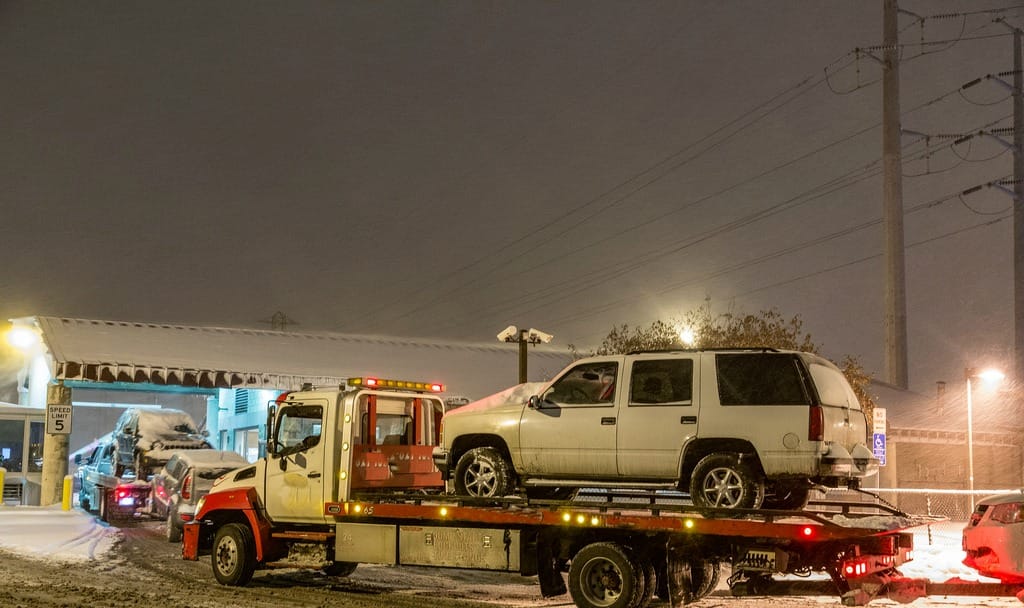
The tow truck industry is on the cusp of a revolution, driven by the convergence of technological advancements and shifting client needs. As cities become increasingly congested, tow truck operators are under pressure to deliver faster, more efficient services. This transformation requires embracing innovative solutions, such as Artificial Intelligence (AI) and Machine Learning (ML), the Internet of Things (IoT), and the Internet, in general. In this era of technological upheaval, tow truck companies are poised to capitalize on emerging trends and transform their operations.
Artificial Intelligence (AI) and Machine Learning (ML) in Optimizing Tow Truck Operations
AI and ML have the potential to revolutionize the tow truck industry by optimizing key operations such as predictive maintenance, route planning, and real-time traffic updates. One of the primary benefits of AI-powered systems is their ability to analyze patterns in tow truck data and identify areas for improvement. By leveraging machine learning algorithms, tow truck operators can predict equipment failures, reducing downtime and increasing the overall efficiency of their operations. Furthermore, AI can be used to optimize route planning by taking into account factors such as traffic congestion, road closures, and weather conditions. This can result in faster response times and a reduced risk of accidents.
- AI-powered predictive maintenance can reduce equipment downtime by up to 30%
- AI-driven route planning can reduce response times by up to 25%
- AI can help reduce fuel consumption by optimizing routes and driving behaviors
Integration of IoT Sensors and GPS Tracking in Modern Tow Trucks
The integration of IoT sensors and GPS tracking is transforming the tow truck industry by enabling real-time monitoring and data-driven decision-making. IoT sensors can be used to monitor tire pressure, engine temperature, and other vital signs, providing tow truck operators with valuable insights into the health of their equipment. This data can be used to schedule maintenance and reduce the risk of equipment failures. GPS tracking, on the other hand, allows tow truck operators to monitor their fleets in real-time, enabling them to optimize routes and reduce response times.
- IOT sensors can help extend the lifespan of equipment by up to 20%
- GPS tracking can reduce fuel consumption by up to 15%
- Real-time monitoring can help reduce the risk of accidents by up to 10%
Concept for a Smart Tow Truck
A smart tow truck would be an advanced vehicle that combines advanced sensors, AI-powered predictive maintenance, and augmented reality displays. The truck would be equipped with a range of sensors that monitor vital signs such as tire pressure, engine temperature, and oil levels. AI algorithms would analyze this data in real-time, providing predictions and recommendations for maintenance and repair. Augmented reality displays would provide drivers with critical information about the towing operation, such as the weight of the vehicle being towed and the best route to take.
“Smart tow trucks will change the game for our industry. They will help us deliver faster, more efficient services and reduce the risk of accidents.”
A smart tow truck would be a game-changer for the industry, enabling tow truck operators to deliver faster, more efficient services and reduce the risk of accidents. By combining advanced sensors, AI-powered predictive maintenance, and augmented reality displays, a smart tow truck would provide a level of performance and safety that is unmatched by traditional tow trucks.
Summary
In conclusion, the tow truck near me phenomenon is a game-changer for people on the move. With its emphasis on technology, efficiency, and customer satisfaction, it’s no wonder that more and more cities are embracing this innovative approach. Whether you’re a regular commuter or an occasional driver, having access to reliable and fast tow truck near me services can make all the difference when it comes to getting back on the road quickly and safely.
Query Resolution: Tow Truck Near Me
What is tow truck near me and how does it work?
Tow truck near me is a service that connects stranded drivers with nearby tow trucks, providing fast and reliable assistance whenever and wherever needed. Using advanced technology, tow truck near me services can locate nearby drivers and dispatch them to the scene of the breakdown, ensuring that you’re back on the road as quickly as possible.
How do I find a reliable tow truck near me?
There are several ways to find a reliable tow truck near me. You can search online for services in your area, check social media for reviews and ratings, or ask friends and family for recommendations. Additionally, many tow truck near me services offer customer reviews and ratings, making it easy to find a reputable service provider.
Can I schedule a tow truck in advance?
Yes, many tow truck near me services offer advance scheduling, allowing you to book a tow truck at a time that suits you. This can be especially helpful if you know that you’ll be stranded in an unfamiliar area or if you need to get to a specific destination at a particular time.
What should I expect from a tow truck near me service?
A reputable tow truck near me service should provide fast, reliable, and affordable assistance. They should also have a team of experienced and trained professionals who can handle a range of situations, from minor repairs to major breakdowns. Additionally, they should offer transparent pricing and clear communication throughout the process.

