Delving into fluoride treatment near me, this introduction immerses readers in a unique and compelling narrative, with a focus on the importance of maintaining healthy teeth and gums. Fluoride treatment has become a widely recognized practice in modern dentistry, hailed as a reliable means to prevent dental issues. Yet, how much do we know about this vital service?
From the significance of fluoride treatment to its application in various dental conditions, this comprehensive guide provides an exhaustive overview of the topic. Whether you’re looking to prevent tooth decay, manage gum disease, or simply desire a healthy, pearly smile, this article is designed to equip you with the knowledge necessary to make informed decisions about your oral health.
Understanding the Importance of Fluoride Treatment in Preventing Dental Issues
Fluoride treatment has been a cornerstone in maintaining healthy teeth and gums for decades. It’s a simple yet effective way to prevent tooth decay, reduce the risk of cavities, and promote overall oral health. In this article, we’ll delve into the significance of fluoride treatment and explore its benefits across different age groups.
Fluoride treatment works by strengthening tooth enamel, making teeth more resistant to acid attacks from plaque bacteria and sugars in the mouth. This process helps to prevent tooth decay and cavities by creating a protective barrier around the teeth. Regular fluoride treatment also helps to repair early signs of tooth decay and reverse minor tooth damage.
The Effects of Fluoride Treatment on Different Age Groups
Fluoride treatment is essential for people of all ages, but its effects can vary depending on the age group.
Children: Fluoride treatment is particularly important for children, as it helps to prevent tooth decay and promote healthy tooth development. It’s recommended that children receive fluoride toothpaste and varnish treatments from an early age, especially if they’re prone to tooth decay.
Adults: Fluoride treatment is just as crucial for adults, as it helps to prevent tooth decay and gum disease. It’s recommended that adults receive regular fluoride varnish treatments, especially if they’re at high risk of tooth decay.
Potential Risks of Dental Problems if Fluoride Treatment is Not Administered Regularly
Dental problems can be severe and painful if fluoride treatment is not administered regularly. Some of the potential risks include:
* Tooth decay and cavities
* Gum disease and gingivitis
* Tooth loss and abscesses
* Painful dental infections
Comparison of Fluoride Treatment Effects on Different Age Groups
The effects of fluoride treatment can vary depending on the age group. However, regular fluoride treatment is essential for people of all ages to prevent dental problems and maintain healthy teeth and gums.
* Children: Fluoride treatment helps to prevent tooth decay and promote healthy tooth development. Regular fluoride toothpaste and varnish treatments can help to create a strong, healthy smile.
* Adults: Fluoride treatment helps to prevent tooth decay and gum disease. Regular fluoride varnish treatments can help to maintain a healthy, strong smile.
The Process of Receiving Fluoride Treatment Near Me

Receiving a fluoride treatment is a straightforward and painless process that can be completed in a matter of minutes. At a dentist’s office, the process typically begins with a thorough examination of your teeth and mouth to identify any areas where fluoride treatment is necessary.
The dentist will likely use one of several methods to administer the fluoride treatment, which may include:
Methods of Fluoride Administration
The most common methods used to administer fluoride treatments include varnish application, gel or foam trays, and rinses. Each method serves a specific purpose and is suitable for different situations.
- Varnish Application: This involves applying a varnish that contains the active ingredient of fluoride directly to the teeth. The varnish is typically applied using a brush, and the fluoride is released into the tooth enamel as the varnish dries.
- Gel or Foam Trays: These trays are custom-made to fit the shape of your teeth and contain a gel or foam that is applied to the teeth. The fluoride is released from the gel or foam over a period of time.
- Rinses: Fluoride rinses are used to coat the teeth with a layer of fluoride, which helps to prevent tooth decay and strengthen tooth enamel.
Once the fluoride treatment is applied, it is left on the teeth for a specified period of time, usually several minutes. The dentist will provide instructions on how to care for your teeth and mouth after the treatment.
Average Cost and Geographical Variations
The cost of fluoride treatment varies depending on several factors, including the method of application, the location where you live, and the dentist’s experience and qualifications. On average, a fluoride treatment can cost between $50 and $100, although prices may be higher or lower depending on your location.
Sources from reliable sources indicate that the average price for a fluoride treatment in the United States ranges from $40 to $70 per session, with some providers charging more or less depending on the specifics.
Keep in mind that while the cost may seem like a significant factor, the long-term benefits of fluoride treatment far outweigh the cost. By preventing tooth decay and strengthening tooth enamel, you can save money on costly dental treatments and procedures.
The process of receiving a fluoride treatment is a simple and painless process that can have a significant impact on the health and well-being of your teeth and mouth. By understanding the various methods of administration and the average cost associated with fluoride treatment, you can make informed decisions about your oral health and take steps to protect your teeth for years to come.
Types of Fluoride Products Used for Treatment
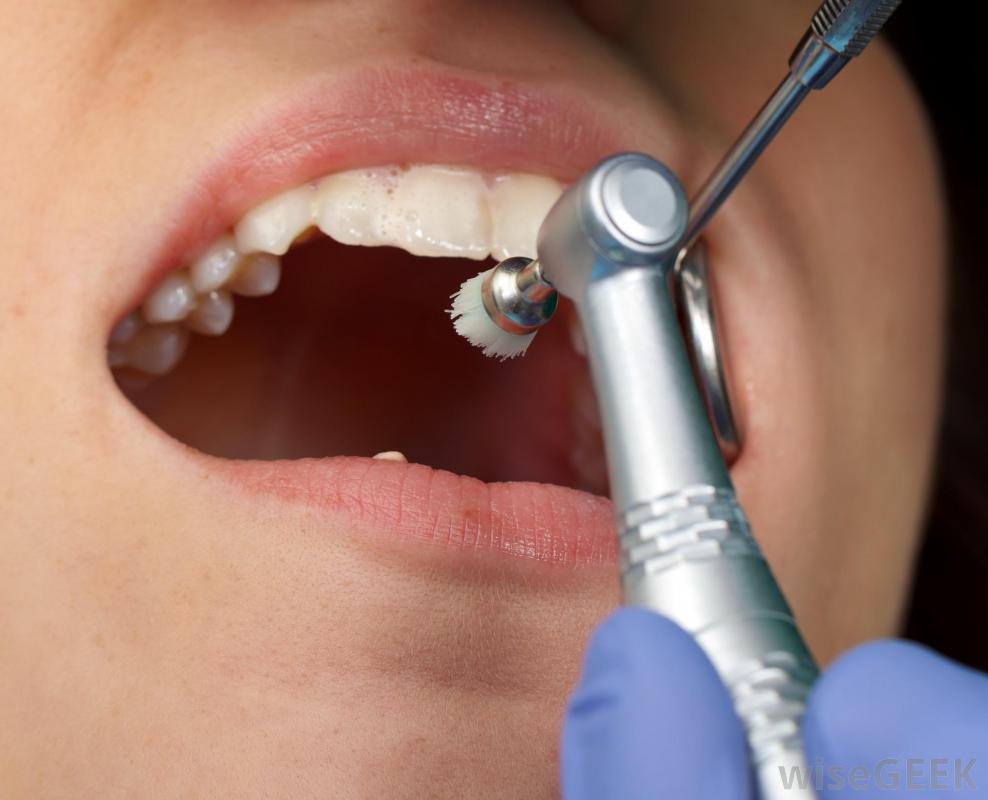
Fluoride products play a crucial role in dental treatments, and understanding their types and uses is essential for maintaining good oral health. In this context, topical and systemic fluoride products are used, each with its distinct characteristics and applications.
Topical Fluoride Products
Topical fluoride products are directly applied to the teeth or mouth to provide a layer of protection against dental decay and sensitivity. These products typically contain high concentrations of fluoride and are available in various forms, including toothpaste, mouthwash, and varnishes. Topical fluoride products work by strengthening tooth enamel, making it more resistant to acid attacks from plaque bacteria and sugars.
- Toothpaste: Toothpaste is one of the most common topical fluoride products used in dental treatments. It is available in a variety of flavors and concentrations, from mild to high fluoride content. The American Dental Association (ADA) recommends using fluoride toothpaste to prevent dental caries and promote good oral hygiene.
- Mouthwash: Fluoride mouthwash is another popular topical fluoride product used to reduce plaque, prevent gingivitis, and strengthen tooth enamel. Mouthwash can be used in addition to brushing and flossing, providing an extra layer of protection against dental decay.
- Varnishes: Fluoride varnishes are a type of topical fluoride product applied to the teeth to provide a protective coating. Varnishes can be used to prevent dental decay on teeth that are difficult to clean, such as those with deep grooves or fissures.
Topical fluoride products have several benefits, including:
- Easy to use
- Wide availability
- Cost-effective
However, they also have some drawbacks, such as:
- May not be as effective for severe dental decay
- Requires regular application to maintain effectiveness
- May contain fluoride sensitivity-inducing ingredients, such as sodium lauryl sulfate
Systemic Fluoride Products
Systemic fluoride products are ingested or absorbed through the skin to provide a general systemic effect. These products contain lower concentrations of fluoride compared to topical products and are typically used in more severe cases of dental decay or sensitivity. Systemic fluoride products can be ingested through:
- Fluoridated water: The most common source of systemic fluoride comes from fluoridated water. Water fluoridation is a process in which fluoride is added to public drinking water to prevent dental decay.
- Fluoride tablets or drops: Children who are at high risk of developing dental decay may be prescribed fluoride tablets or drops to be ingested daily.
- Fluoride rinses: Fluoride rinses are used to treat severe dental decay or sensitivity, providing a higher concentration of fluoride compared to topical products.
Systemic fluoride products have several benefits, including:
- Systemic effect provides longer-lasting protection
- Used in more severe cases of dental decay or sensitivity
- Can be used concurrently with topical products for enhanced protection
However, they also have some drawbacks, such as:
- May require frequent intake to maintain effectiveness
- Can be expensive, especially for long-term use
- May have potential side effects, such as gastrointestinal issues
“The optimal fluoride concentration in drinking water has been established at 0.7-1.2 parts per million (ppm) for communities with naturally occurring low fluoride levels and 0.5-1.2 ppm for communities with naturally occurring high fluoride levels.”
How to Find a Dentist for Fluoride Treatment Near Me
Choosing the right dentist for fluoride treatment is a crucial decision to ensure that you receive the best possible care for your oral health. With numerous options available, it can be overwhelming to select the perfect dentist for your needs. However, by considering a few key factors and doing some thorough research, you can find a reliable and skilled dentist for fluoride treatment near you.
Criteria to Consider When Selecting a Dentist for Fluoride Treatment
When searching for a dentist for fluoride treatment, it is essential to consider the following criteria:
- Qualifications and Credentials: Ensure that the dentist has the necessary qualifications, such as a degree from an accredited dental school, as well as any relevant certifications or licenses. You can verify the dentist’s credentials by checking with your state’s dental board or the American Dental Association (ADA).
- Experience and Specialization: Look for a dentist with experience in providing fluoride treatments. Check if they have any specialized training or certifications in pediatric dentistry, orthodontics, or other relevant areas.
- Reputation and Reviews: Read online reviews from previous patients to gauge the dentist’s reputation and level of care. You can also check with friends, family, or colleagues for recommendations.
- Equipment and Facilities: Ensure that the dentist’s office has modern, well-maintained equipment, and a clean, comfortable environment.
Verifying a Dentist’s Qualifications, Experience, and Reputation
To verify a dentist’s qualifications, experience, and reputation, follow these steps:
- Check with your state’s dental board: Call or visit the dental board in your state to verify the dentist’s credentials and check if they have any disciplinary actions or complaints filed against them.
- Verify certifications and licenses: Check with the American Dental Association (ADA) or your state’s dental board to verify the dentist’s certifications and licenses.
- Read online reviews: Look up the dentist’s office on review websites such as Yelp or Google to see what previous patients have to say about their experience.
- Ask for referrals: Ask friends, family, or colleagues if they have a dentist they would recommend for fluoride treatment.
Asking About the Dentist’s Approach to Fluoride Treatment and Dental Care, Fluoride treatment near me
When scheduling an appointment with a dentist, it is essential to ask about their approach to fluoride treatment and dental care. Ask the following questions:
- What methods do you use for fluoride treatment?
- How do you tailor the fluoride treatment to my specific needs?
- What are your recommendations for preventing dental issues, such as tooth decay and gum disease?
- Do you offer any additional services, such as teeth whitening or orthodontic treatment?
Concluding Remarks

In conclusion, fluoride treatment near me is a straightforward and accessible service that can greatly enhance your dental well-being. By understanding the importance, process, benefits, and precautions associated with fluoride treatment, you’re empowered to take control of your oral health. Whether you’re a child or an adult, regular fluoride treatment can be a trusted method to prevent dental issues and maintain a beautiful, healthy smile.
Common Queries
Q: What is the recommended frequency of fluoride treatment?
A: The recommended frequency of fluoride treatment varies depending on age and individual oral health needs. Generally, children and adolescents require more frequent treatments than adults. Consult with your dentist to determine the best fluoride treatment schedule for you.
Q: Can fluoride treatment be a replacement for regular brushing and flossing?
A: No, fluoride treatment is not a replacement for regular brushing, flossing, and routine dental care. It’s a preventive measure to maintain dental health, in addition to regular oral hygiene. Regular brushing and flossing are essential for removing plaque and food particles, while fluoride treatment helps strengthen tooth enamel and prevent decay.
Q: Are there any side effects associated with fluoride treatment?
A: Fluoride treatment is generally safe when used as directed by a qualified dentist. However, excessive fluoride consumption can lead to tooth discoloration, nausea, or other gastrointestinal symptoms. Inform your dentist about any medical conditions or allergies before undergoing fluoride treatment.
Q: Can anyone undergo fluoride treatment, or are there age restrictions?
A: Fluoride treatment is generally suitable for individuals of all ages, from children to seniors. However, infants under six months should not receive fluoride treatments unless directed by a pediatrician or dentist. Consult with your dentist to determine the best age for your child to start fluoride treatments.
Q: Can I administer fluoride treatment at home, or is it only available at the dentist’s office?
A: While some fluoride products are available for home use, such as topical fluoride toothpaste or mouthwash, regular fluoride treatment requires dental expertise to administer the correct dosage and ensure accurate application. At-home treatments can be useful between dental visits, but always consult with your dentist before starting any fluoride treatment regimen.

