Water testing near me sets the stage for this critical exploration, offering readers a comprehensive overview of the essential steps involved in determining the quality of their drinking water. This guide is designed to empower individuals with the knowledge and tools necessary to identify potential contaminants and understand local water quality concerns.
Before embarking on a water testing journey, it is essential to understand the importance of local water quality concerns. Common pollutants found in water sources, such as lead, bacteria, and pesticides, can have severe consequences on human health and the environment. Furthermore, choosing the right water testing laboratory is crucial to obtaining reliable and accurate results.
Understanding Local Water Quality Concerns
Water quality is a critical aspect of public health, affecting millions of people worldwide. Before testing the water, it’s essential to understand local water quality concerns to identify potential pollutants and prioritize testing.
Local water quality concerns can vary greatly depending on factors such as geographic location, population density, and industrial activities. Common pollutants found in water sources include:
- Nitrate contamination: Excessive nitrate levels in drinking water can lead to blue baby syndrome, a condition characterized by oxygen deprivation in the blood.
- Lead leaching: Old pipes and plumbing can lead to lead contamination, causing neurological damage and developmental issues in children.
- Bacterial contamination: Fecal coliform bacteria can cause waterborne diseases such as cholera, typhoid fever, and dysentery.
Understanding the local water quality concerns involves identifying the sources of pollutants and the methods used to test for them. Here’s a detailed comparison of different water testing methods:
Water Testing Methods
The most common water testing methods include laboratory analysis, onsite testing, and remote sensing. Each method has its strengths and limitations, and choosing the right method depends on the specific needs and budget of the testing program.
### Laboratory Analysis
Laboratory analysis involves collecting a water sample and sending it to a certified laboratory for testing. This method is typically used for more comprehensive testing, including analysis of bacterial, chemical, and physical contaminants.
### Onsite Testing
Onsite testing involves conducting tests in the field using portable equipment. This method is often used for real-time monitoring and quick assessment of water quality.
### Remote Sensing
Remote sensing involves using satellite or aerial imagery to detect changes in water quality. This method is typically used for large-scale monitoring and surveillance.
Comparison of Water Testing Methods
- Accuracy: Laboratory analysis is generally the most accurate method, followed by onsite testing. Remote sensing is less accurate due to limitations in detecting specific contaminants.
- Speed: Onsite testing is the fastest method, allowing for real-time monitoring. Laboratory analysis takes longer, while remote sensing can provide results in near real-time.
li>Cost: Remote sensing is the most cost-effective method, followed by onsite testing. Laboratory analysis is the most expensive due to the need for specialized equipment and trained personnel.
When choosing a water testing method, consider factors such as the type and extent of contamination, the available budget, and the desired level of accuracy. By understanding local water quality concerns and selecting the right testing method, you can ensure accurate and reliable results to inform decision-making and protect public health.
Choosing the Right Water Testing Laboratory
When it comes to ensuring the quality and safety of your water, selecting the right laboratory for water testing is crucial. A reliable laboratory will provide accurate results, help you identify potential contaminants, and guide you in making informed decisions about your water supply. In this section, we will discuss the key factors to consider when selecting a laboratory for water testing.
Certification and Accreditation
Certification and accreditation are essential credentials to look for in a water testing laboratory. A laboratory that is certified by a recognized accrediting agency, such as the International Organization for Standardization (ISO) or the National Environmental Laboratory Accreditation Program (NELAP), has demonstrated its compliance with rigorous standards for quality and performance. This ensures that the laboratory’s testing methods, equipment, and personnel meet strict requirements, providing you with confidence in the accuracy of the results.
- The laboratory should have current certification from a recognized accrediting agency.
- The laboratory should provide documentation of its certification and accreditation status.
- The laboratory should have a process in place for ensuring ongoing compliance with accreditation standards.
Experience and Expertise
A laboratory with extensive experience in water testing and a team of experts specializing in this field is a valuable asset. They should have a deep understanding of the complex issues surrounding water quality, including the nuances of local water chemistry and the specific testing methods required for your area.
- The laboratory should have experience in testing water samples similar to yours (e.g., municipal water, well water, or industrial wastewater).
- The laboratory should have a team of certified technicians and scientists with expertise in water testing and analysis.
- The laboratory should have a proven track record of providing accurate and reliable results.
Equipment and Technology
A laboratory should invest in the latest technology and equipment to ensure accurate and efficient testing. This includes instrumentation, software, and other tools necessary for conducting a wide range of water tests.
- The laboratory should have access to state-of-the-art instrumentation, such as gas and liquid chromatography, atomic absorption spectroscopy, and ion chromatography.
- The laboratory should have a robust information technology infrastructure to support data management, storage, and reporting.
- The laboratory should have a quality control program in place to ensure instrument calibration and maintenance.
Customer Service and Communication
Effective communication and customer service are essential when working with a water testing laboratory. You should be able to easily access laboratory personnel, ask questions, and receive timely responses.
- The laboratory should have a clear and responsive communication process, including phone, email, and online support.
- The laboratory should provide regular updates on sample status, results, and any issues that arise.
- The laboratory should be willing to address concerns and provide additional information as needed.
Types of Water Testing

When it comes to water testing, there are two primary types: comprehensive and basic. Understanding the difference between these two types is crucial for selecting the right testing approach and obtaining accurate results. In this section, we will delve into the details of each type, including the parameters included in each and the importance of each test.
Comprehensive Water Testing
Comprehensive water testing involves a thorough analysis of various parameters that can affect water quality. This type of testing is often recommended for households that have a private well or municipal water supply system that is not regulated by the Environmental Protection Agency (EPA). The comprehensive water test typically includes the following parameters:
- Bacteria (total coliform, E. coli, and fecal coliform)
- Nitrates
- Sulfates
- Arsenic
- Fecal matter
- Nitrites
- Lead
- Copper
- pH
- Total dissolved solids (TDS)
- Conductivity
This type of testing is essential for identifying potential contaminants that can impact human health, such as bacteria, viruses, and parasites. It also helps to detect inorganic compounds like lead, copper, and nitrates, which can be toxic in high concentrations. A comprehensive water test provides a detailed picture of the water quality, enabling homeowners to take corrective actions to ensure safe drinking water.
Basic Water Testing, Water testing near me
Basic water testing, on the other hand, involves a limited analysis of a few key parameters that can indicate water quality issues. This type of testing is often recommended for households that are connected to a municipal water supply system regulated by the EPA. The basic water test typically includes the following parameters:
- pH
- Total dissolved solids (TDS)
- Copper
- Lead
This type of testing is useful for identifying potential issues related to water softening or corrosion, such as high pH levels or excessive TDS values. However, it may not detect other contaminants that can impact human health, such as bacteria, viruses, or parasites.
Importance of Each Test
The importance of each test depends on the specific water supply system and the potential risks associated with it. Comprehensive water testing is recommended for households with private wells or municipal water supply systems that are not regulated by the EPA, as it provides a thorough analysis of various parameters that can affect water quality. Basic water testing is suitable for households connected to a municipal water supply system regulated by the EPA, as it provides a limited analysis of key parameters that can indicate water quality issues.
Steps Involved in Water Testing Near Me
Obtaining a water test near your location is crucial for ensuring the safety and quality of your drinking water. To initiate the process, follow these steps carefully to ensure accurate results.
Step 1: Choosing a Water Testing Laboratory
Selecting the right laboratory for water testing is the first critical step. Look for laboratories that are accredited by a reputable organization such as the National Environmental Laboratory Accreditation Program (NELAP). This accreditation ensures the laboratory meets specific standards for water testing. Additionally, consider laboratories that specialize in water testing to maximize the accuracy and comprehensiveness of your test results.
Step 2: Collecting a Water Sample
Proper water sample collection is vital to obtaining accurate test results. The most common types of water samples collected are:
- Scheduled sampling: This involves collecting water samples at specific intervals, such as weekly or monthly.
- Event sampling: This involves collecting water samples in response to a specific event, such as a spill or a change in water quality.
- Triggered sampling: This involves collecting water samples in response to the presence of specific contaminants or changes in water quality.
To collect a proper water sample, you will need the following materials:
- Bottles with tight-fitting lids: Make sure the bottles are specifically designed for water sampling and can be sealed tightly.
- Sample containers: Use containers that are suitable for the type of analyte being tested.
- Sampling equipment: This includes equipment such as tubing, valves, and fittings.
- Labeling and documentation materials: You will need labels and documentation materials to identify the sample and provide necessary information to the laboratory.
Step 3: Submitting the Sample to a Laboratory
Once you have collected the water sample, you will need to submit it to a laboratory for analysis. This typically involves:
- Preparing the sample package: Ensure that the sample is properly packaged and labeled to prevent contamination and ensure accuracy.
- Shipping the sample: Arrange for the sample to be shipped to the laboratory.
- Providing necessary information: Provide the laboratory with any necessary information, such as the sampling location and time.
Step 4: Interpreting the Results
Once the laboratory has completed the analysis, they will provide you with a report summarizing the test results. Be sure to review the report carefully to understand the results and determine any necessary actions. This may involve:
- Understanding the test methods: Familiarize yourself with the test methods used to ensure you understand the results.
- Identifying contaminants: Review the report to identify any contaminants present in the water sample.
- Determining necessary actions: Based on the results, determine what actions are necessary to ensure safe drinking water.
Understanding Water Test Results: Water Testing Near Me
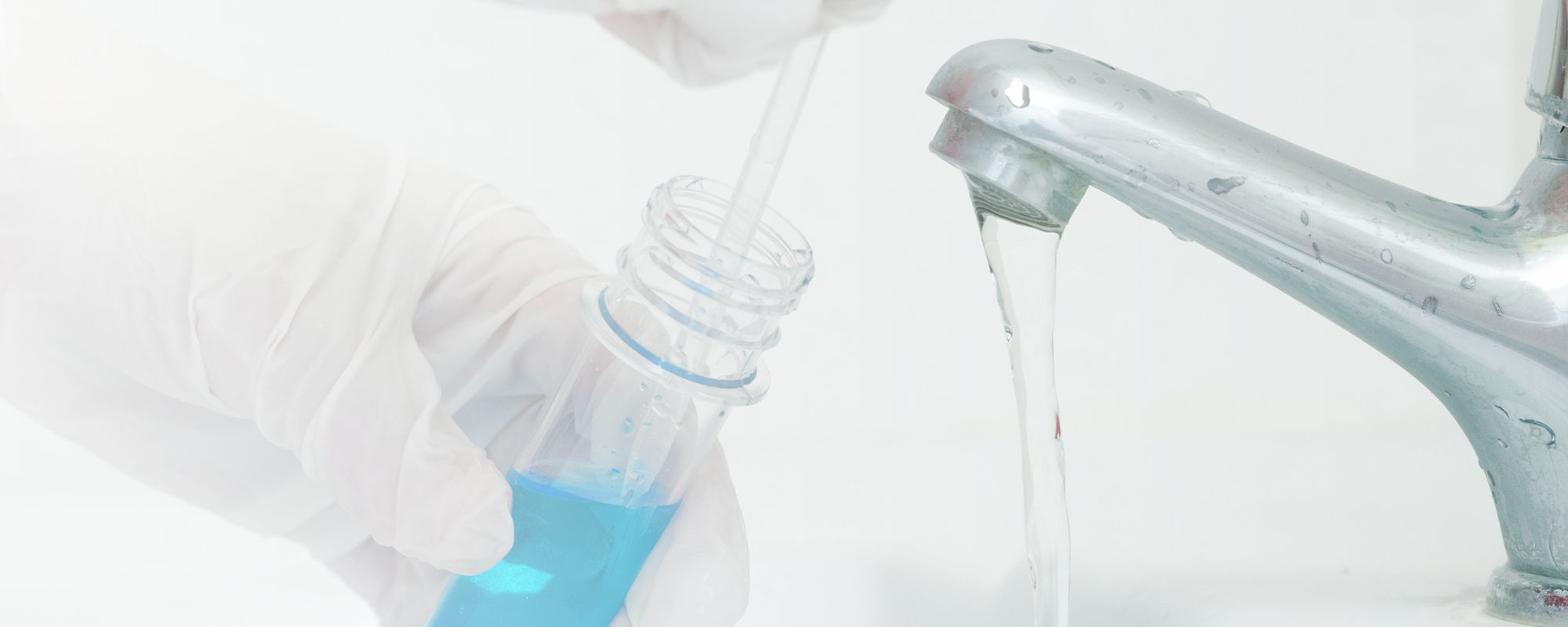
Interpreting water test results requires a clear understanding of the data provided, as well as the potential sources of contamination that may be affecting the water quality. By carefully examining the results, you can identify areas of concern and take steps to address them.
When analyzing water test results, it’s essential to understand what each parameter measures and what the results indicate. The following table provides examples of different water test results, potential contaminants, and possible causes.
Examples of Water Test Results
In this section, we will discuss various examples of water test results, including their potential contaminants and possible causes.
- Example 1: High Levels of Lead
- Test Parameter: Lead
- Test Result: 20 ppb (parts per billion)
- Potential Contaminant: Lead pipes or solder
- Possible Causes: Aging infrastructure, corrosion of lead pipes
- Example 2: Elevated Levels of Nitrate
- Test Parameter: Nitrate
- Test Result: 20 mg/L (milligrams per liter)
- Potential Contaminant: Agricultural runoff or septic systems
- Possible Causes: Overuse of fertilizers, inadequate septic system maintenance
- Example 3: High Levels of Bacteria
- Test Parameter: Bacteria (e.g., E. coli, Coliform)
- Test Result: Presence of E. coli
- Potential Contaminant: Human or animal waste
- Possible Causes: Septic system failure, animal encroachment into water source
- Example 4: Elevated Levels of pH
- Test Parameter: pH
- Test Result: pH 9.5
- Potential Contaminant: High levels of alkalinity
- Possible Causes: Agricultural runoff, high levels of limestone in the water source
Identifying Contaminants of Emerging Concern (CECs)
Contaminants of Emerging Concern (CECs) refer to newly identified or suspected pollutants that may contaminate water sources, posing potential risks to human health and the environment. The presence of CECs in local water sources highlights the need for regular testing and monitoring to identify potential contaminants before they cause harm.
ECCs can impact human health in various ways, including:
- Exposure to certain chemicals has been linked to various health issues, such as cancer, reproductive problems, and neurological disorders.
- Some CECs may also pose risks to vulnerable populations, such as children, pregnant women, and individuals with compromised immune systems.
- Long-term exposure to CECs can accumulate in the body, leading to chronic health problems.
In addition to human health risks, CECs can also harm the environment, including:
- Contaminating water sources, affecting aquatic life, and disrupting ecosystems.
- Accumulating in soil and sediment, potentially entering the food chain and affecting wildlife.
- Potentially altering the chemistry of waterways and impacting water quality.
Risks Associated with CECs
CECs can come from various sources, including:
- Industrial waste, such as chemicals and pharmaceuticals.
- Agricultural runoff, including fertilizers and pesticides.
- Household waste, including pharmaceuticals and personal care products.
Prevention and Mitigation Strategies
To address CECs, it is essential to implement prevention and mitigation strategies, including:
- Regular testing and monitoring of local water sources.
- Implementing best management practices for industrial and agricultural activities.
- Proper disposal of household waste and chemicals.
- Educating the public on the risks associated with CECs and promoting sustainable practices.
Preventing Water Pollution in Your Community
Preventing water pollution in your community requires a collective effort from individuals, organizations, and local authorities. By working together, you can help protect the water resources that are essential for human consumption, agriculture, and ecosystems.
Education and Outreach
Education and outreach are crucial in preventing water pollution in your community. Raising awareness about the importance of water conservation and the impacts of pollution can inspire positive behavior change. This can be achieved through:
- Organizing community events, workshops, and seminars to educate people about water conservation and pollution prevention.
- Developing educational materials, such as brochures, posters, and videos, to spread awareness about water-related issues.
- Collaborating with schools and educational institutions to integrate water education into their curricula.
- Engaging with local media outlets to share stories and experiences about water conservation and pollution prevention.
These initiatives can help create a culture of water stewardship in your community, encouraging individuals to take responsibility for their actions and make environmentally conscious decisions.
Proper Waste Disposal
Proper waste disposal is essential in preventing water pollution in your community. Improperly disposed waste can leach into soil and groundwater, contaminating water sources and posing health risks to humans and the environment. To prevent this, focus on:
- Retrofitting existing waste management systems to include recycling and composting facilities.
- Implementing programs for proper disposal of hazardous waste, such as batteries, electronics, and pesticides.
- Encouraging the use of eco-friendly products and packaging that reduce waste generation.
- Establishing community waste collection programs to ensure that waste is handled and processed responsibly.
By prioritizing proper waste disposal, you can reduce the amount of pollutants that enter the environment and protect the water resources that are essential for human well-being.
Community Involvement
Community involvement is critical in preventing water pollution in your community. Involving local residents, businesses, and organizations in decision-making processes can ensure that water conservation and pollution prevention efforts are effective and sustainable. To achieve this, consider:
- Establishing a community-based water governance system that involves stakeholders in decision-making.
- Encouraging citizen science initiatives to engage the community in monitoring water quality and identifying pollution sources.
- Supporting community-led projects that promote water conservation, such as rainwater harvesting and greywater reuse.
- Developing public-private partnerships to leverage resources and expertise in addressing water-related challenges.
By empowering the community to take ownership of water conservation and pollution prevention efforts, you can create a network of committed individuals and organizations that work together to protect the region’s water resources.
Individual Responsibility
Individual responsibility plays a significant role in preventing water pollution in your community. By taking personal actions, individuals can reduce their impact on the environment and help protect water resources. Some key actions include:
- Using eco-friendly products and reducing chemical use in households and industries.
- Properly disposing of hazardous waste and recyclables.
- Promoting water conservation by reducing water consumption and fixing leaks.
- Supporting organizations that work towards water conservation and pollution prevention.
By taking individual responsibility for water conservation and pollution prevention, you can contribute to a collective effort that protects the water resources that are essential for human well-being.
Role of Local Authorities
Local authorities play a vital role in preventing water pollution in your community. They can implement policies and programs that promote water conservation, regulate waste disposal, and monitor water quality. To achieve this, focus on:
- Developing and enforcing policies that regulate waste disposal and promote water conservation.
- Investing in water infrastructure, such as treatment plants and pipelines, to enhance water quality and security.
- Implementing monitoring programs to track water quality and identify pollution sources.
- Providing education and outreach programs to raise awareness about water conservation and pollution prevention.
By taking a proactive approach to water conservation and pollution prevention, local authorities can create a culture of sustainability that benefits the community and protects the region’s water resources.
Closing Summary
In conclusion, water testing near me is an essential aspect of ensuring the safety and quality of our drinking water. By following the steps Artikeld in this guide and taking the necessary precautions, individuals can identify potential contaminants and address local water quality concerns. It is also essential to be aware of emerging contaminants and the strategies to prevent water pollution in our communities.
Q&A
Q: What is the most essential factor to consider when selecting a water testing laboratory?
A: The most crucial factor to consider when selecting a water testing laboratory is certification. Ensure that the laboratory is accredited by a reputable organization and has the necessary expertise and equipment to analyze water samples accurately.
Q: What are common pollutants found in water sources?
A: Common pollutants found in water sources include lead, bacteria, pesticides, and volatile organic compounds (VOCs). These contaminants can have severe health consequences and environmental impacts.
Q: How often should I test my drinking water?
A: The frequency of water testing depends on various factors, including the source of your drinking water, local water quality concerns, and the presence of contaminants. It is recommended to test your water at least once a year, but more frequently if you suspect contamination or changes in the water quality.
Q: What is the role of individual responsibility in preventing water pollution?
A: Individuals play a significant role in preventing water pollution by taking steps to reduce their waste, using environmentally friendly products, and participating in community-based initiatives to protect local water sources.

