Delving into souvenir shop near me, this introduction immerses readers in a unique and compelling narrative that explores the fascinating world of souvenir shopping. From the nostalgic charm of local specialties to the emotional connections we form with the items we purchase, every aspect of souvenir shopping is a window into the human experience.
So, what exactly is a souvenir shop? How do these stores contribute to the cultural identity of the areas they serve? And what drives us to buy souvenirs in the first place? These are just a few of the questions we’ll be exploring in this article as we delve deeper into the world of souvenir shop near me.
Exploring the Art of Souvenir Shopping
Souvenir shopping is a timeless tradition that brings joy and memories to tourists worldwide. Whether it’s a handmade trinket or a mass-produced novelty, the items people buy during their travels serve as tangible reminders of their experiences and adventures. These items often hold emotional value, symbolizing the connection between the tourist and the culture they’re visiting.
What sets souvenir shops apart is their unique blend of authenticity and commercialism. These shops offer a curated selection of local products, which not only showcase the artisans’ skills but also provide a glimpse into the community’s way of life. From traditional crafts to modern souvenirs, each item tells a story about the people and places that created it.
Choosing the Perfect Souvenir for Any Traveler
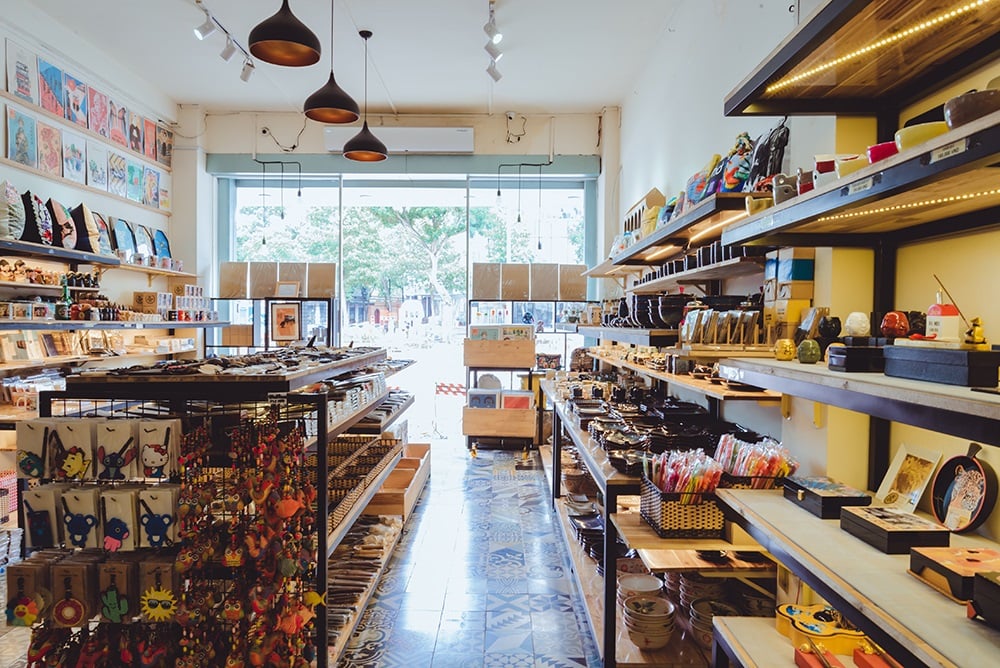
When traveling, it’s common to seek out unique and meaningful souvenirs to bring back home for friends and loved ones. However, with so many options to choose from, it can be difficult to select the perfect souvenir that accurately represents your travels and resonates with the recipient’s tastes.
Considerations for Selecting a Souvenir
When choosing a souvenir, there are several key factors to consider. First, think about the recipient’s interests and hobbies. Are they a history buff, a foodie, or an outdoor enthusiast? Tailoring your souvenir selection to their interests will make the gift feel more personal and meaningful. Additionally, consider the quality and craftsmanship of the item. A well-made souvenir will stand the test of time, while a poorly crafted one may quickly fade from memory.
For instance, a history enthusiast might appreciate a beautifully crafted model of an ancient monument, while a foodie might enjoy a gourmet spice blend or local specialty. On the other hand, an outdoor enthusiast might prefer a handmade wooden walking stick or a map of the local hiking trails.
Etiquette of Souvenir Shopping
Another essential aspect of souvenir shopping is avoiding items that are mass-produced or tacky. While it may seem tempting to buy a cheap souvenir, these items often lack authenticity and may insult the local culture. Instead, opt for unique and handcrafted items that reflect the local traditions and values.
Pick a Souvenir that Reflects the Local Culture
When picking a souvenir, aim to select something that accurately reflects the local culture. Avoid items with a generic or mass-produced appearance. Instead, choose items that are handmade, locally sourced, or imbued with cultural significance. This thoughtful approach will demonstrate your appreciation for the local customs and traditions.
-
Local Artifacts
- Handmade crafts, such as pottery, textiles, or wood carvings
- Artwork from local artists
- Ceramics and earthenware dishes
Consider selecting local artifacts that showcase craftsmanship and highlight the region’s distinct aesthetic.
-
Food and Wine
- Liquor and wine from regional wineries
- Artisanal cheese or chocolates
- Spice blends or specialty teas
Food and wine are a vital part of cultural identity, so a food-related souvenir will surely be cherished.
Final Tips
Some final considerations to make sure you’re choosing the perfect souvenir are thinking about personal style, taking advantage of local marketplaces, or getting recommendations from a local guide. Each of these factors can add a level of authenticity which will make the souvenir truly unforgettable.
Discovering Hidden Gems near You
Are you looking for a unique souvenir that reflects the local culture and charm of your travel destination? Discovering hidden gems near you can be a great way to find authentic and independent souvenir shops that offer one-of-a-kind items. In this section, we will guide you on how to use online resources and offline strategies to locate local souvenir shops and identify their distinctive features.
Using Online Maps and Review Platforms to Locate Local Souvenir Shops
———————————————————–
Online maps and review platforms such as Google Maps, Yelp, and TripAdvisor can be a great resource for locating local souvenir shops near your location. These platforms allow you to search for shops and read reviews from other customers. Look for shops that have high ratings and a consistent stream of reviews to get an idea of their reputation.
### Tips for Browsing Online Maps and Review Platforms
– When using online maps, zoom in on the area you are interested in and look for shops that have a high concentration of reviews.
– Read reviews carefully to get an idea of the shop’s products and services.
– Look for shops that have a consistent stream of reviews and high ratings.
– Pay attention to the language used in reviews to get an idea of the shop’s atmosphere and customer service.
### Identifying Authentic and Independent Souvenir Shops
Authentic and independent souvenir shops often have distinctive features that set them apart from chain stores and touristy shops. Here are some tips for identifying these types of shops:
### Distinctive Features
– Local art and craftsmanship: Look for shops that showcase local art and craftsmanship, such as handmade jewelry, pottery, or textiles.
– Unique products: Look for shops that offer unique products that cannot be found elsewhere, such as locally-made specialty foods or handmade souvenirs.
– Atmosphere: Pay attention to the atmosphere of the shop, such as its decor, music, and lighting.
– Customer service: Look for shops that have helpful and knowledgeable staff who can answer questions about the products and services offered.
### Unique Selling Points
– Story behind the product: Look for shops that can tell the story behind their products, such as the materials used, the manufacturing process, and the inspiration behind the design.
– Local connections: Look for shops that have strong local connections, such as supporting local artisans or sourcing materials from nearby suppliers.
– Quality and craftsmanship: Look for shops that prioritize quality and craftsmanship, such as shops that offer handmade products or use sustainable materials.
### Hypothetical Scenario
Imagine you are visiting a nearby city and want to find a unique souvenir that represents the local culture. Using online maps and review platforms, you come across a shop that has a high rating and a consistent stream of reviews. You look up the shop and find that it specializes in locally-made jewelry and has a unique atmosphere that reflects the city’s culture.
Here’s an example of how you can use online maps and review platforms to locate a souvenir shop in a nearby city:
– Search for souvenir shops in the city using Google Maps or Yelp.
– Filter the results by rating and distance to find shops that are highly rated and close to your location.
– Read reviews carefully to get an idea of the shop’s products and services.
– Visit the shop in person to see their products and get a sense of their atmosphere.
By following these steps, you can discover hidden gems near you and find unique and authentic souvenir shops that reflect the local culture and charm of your travel destination.
Understanding the Psychology of Souvenir Shopping
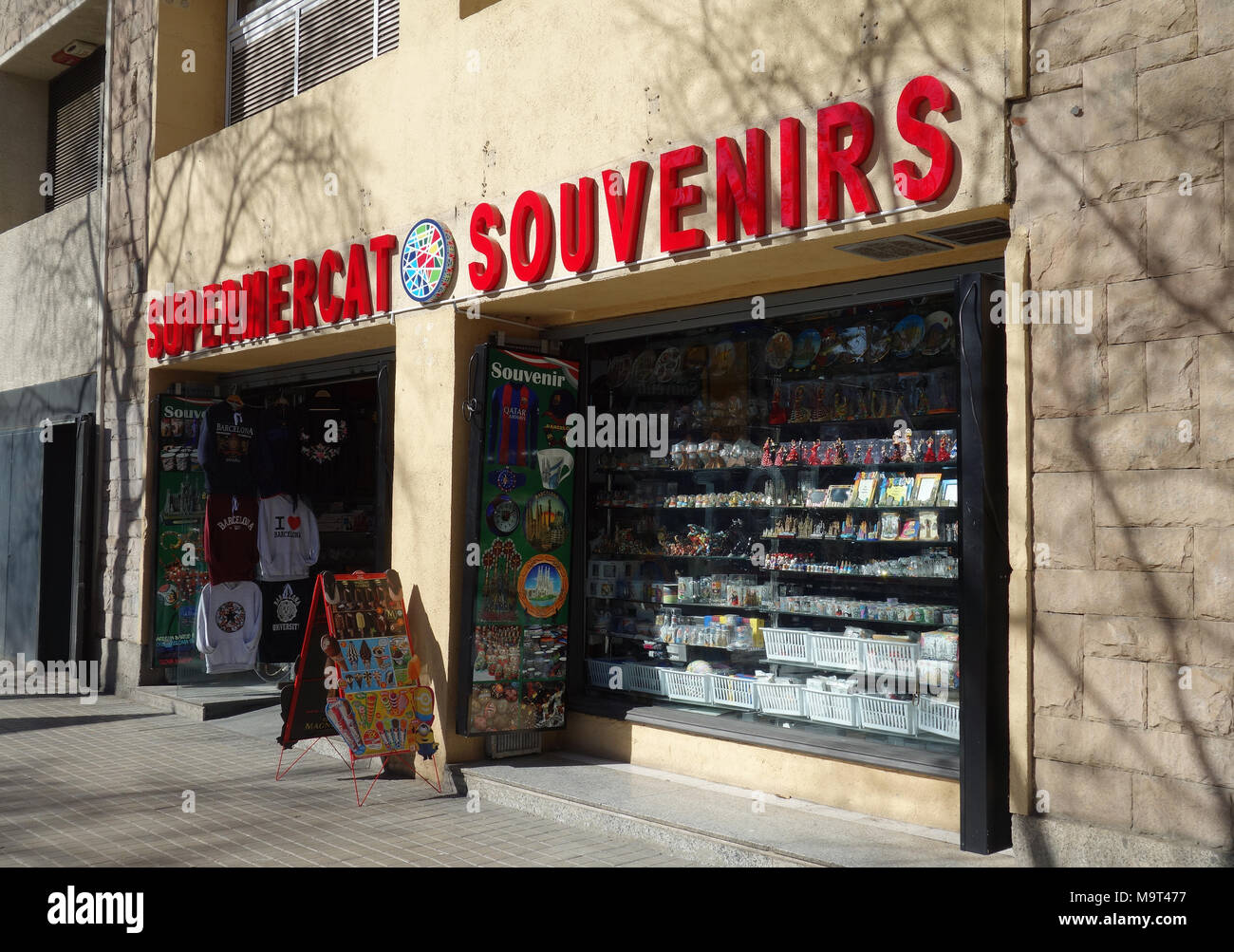
Souvenir shopping is a popular activity among travelers, allowing them to capture memories and emotions from their experiences. But have you ever stopped to think about why souvenir shopping is so appealing to humans? Let’s delve into the psychology behind souvenir shopping and explore the various psychological factors that drive people to buy souvenirs.
The human brain processes memories and emotions more effectively when they are associated with tangible objects. Souvenirs serve as tangible reminders of memories and experiences, allowing travelers to relive their experiences whenever they look at or touch these objects. This attachment to souvenirs is rooted in nostalgia, sentimentality, and the desire for unique experiences. People are drawn to souvenirs as a way to preserve memories and connect with their emotions.
Comparing Souvenir-Buying Habits Across Cultures
Souvenir-buying habits vary across different cultures and demographics. Research has shown that souvenir choices are often influenced by cultural background, socioeconomic status, and personal preferences. To better understand these differences, let’s examine the typical souvenir choices and psychological motivations of various cultural groups.
| Cultural Group | Typical Souvenir Choice | psychological Motivation |
|---|---|---|
| European travelers | Local artwork, wine, and gourmet food | Nostalgia for cultural heritage and indulgence in luxury experiences |
| Asian travelers | Traditional handicrafts, local snacks, and souvenirs with symbolic meanings | Sentimentality towards cultural roots and desire for unique, authentic experiences |
| American travelers | Memorabilia from famous landmarks, t-shirts, and souvenirs with pop culture appeal | Desire for instant gratification and a sense of ownership over memorable experiences |
| African travelers | Local textiles, handmade jewelry, and souvenirs with spiritual significance | Espiritual connection to cultural heritage and desire for meaningful, authentic experiences |
The Role of Sentimentality in Souvenir Shopping
Sentimentality plays a significant role in souvenir shopping, as people often associate souvenirs with emotional experiences and memories. When selecting a souvenir, individuals often take into account the story behind the object, its cultural significance, and the memories it evokes. This emotional connection is what makes souvenirs truly special, allowing travelers to cherish the memories and experiences they had while traveling.
The emotional value of souvenirs is closely tied to the concept of sentimental value, which refers to the personal significance and emotional attachment an individual holds towards an object. This sentimental value can be influenced by various factors, including the object’s cultural significance, its historical value, and the memories associated with it.
The Psychology of Unique Experiences
The desire for unique experiences is a key driver of souvenir shopping. People are drawn to souvenirs as a way to capture the essence of their experiences and create lasting memories. This desire is rooted in the human need for self-expression and individuality, as well as the desire to stand out from others.
The psychology of unique experiences is closely tied to the concept of self-actualization, which refers to the realization of one’s potential and the pursuit of personal growth. When individuals engage in souvenir shopping, they are seeking to create a sense of identity and self-expression, which is closely tied to their experiences and memories.
Preserving Cultural Heritage through Souvenirs
Souvenir shops play a significant role in promoting and preserving cultural heritage by providing a platform for local artisans to showcase their crafts and traditions. This not only supports the local economy but also helps to preserve cultural artifacts and handicrafts for future generations. Our souvenir shop near you is committed to promoting cultural heritage and supporting local artisans.
Examples of Souvenir Shops Specializing in Cultural Heritage, Souvenir shop near me
There are several souvenir shops that specialize in preserving and promoting cultural heritage. For example, some shops focus on African textiles, such as colorful kente cloth from Ghana or batik prints from South Africa. Others specialize in Asian artwork, like intricate wood carvings from Thailand or hand-painted silk from China.
- African Textiles: Our shop offers a wide range of African textiles, including kente cloth, batik prints, and Adire textiles from Nigeria. These textiles are not only beautiful but also hold significant cultural and historical value.
- Asian Artwork: We also offer a selection of Asian artwork, including intricate wood carvings from Thailand and hand-painted silk from China. These pieces are not only visually stunning but also reflect the rich cultural heritage of the region.
Cultural Artifacts and Handicrafts Commonly Found in Souvenir Shops
Souvenir shops often sell a variety of cultural artifacts and handicrafts, including:
- Talismans and amulets from various cultures, believed to bring good fortune and protection.
- Handwoven baskets and textiles made from traditional materials like wool, silk, and cotton.
- Intricately carved wooden and stone sculptures, often featuring mythological figures or symbolic motifs.
- Hand-painted ceramics and pottery, often decorated with traditional designs and patterns.
The Importance of Preserving Cultural Heritage through Souvenir Shops
Preserving cultural heritage through souvenir shops is essential for maintaining cultural diversity and promoting cross-cultural understanding. By supporting local artisans and selling traditional crafts, our souvenir shop contributes to the preservation of cultural heritage and helps to keep traditional skills and knowledge alive.
Challenges and Limitations of Preserving Cultural Heritage through Souvenir Shops
While souvenir shops play a vital role in preserving cultural heritage, there are challenges and limitations to consider. The commercialization of cultural artifacts can lead to the loss of their cultural significance and the exploitation of local artisans. Additionally, the risk of cultural appropriation is a concern, as cultural practices and symbols are often taken out of context and used for financial gain.
Souvenir shops must prioritize the cultural significance and authenticity of the artifacts they sell, ensuring that they are not contributing to the commodification of cultural heritage.
Wrap-Up: Souvenir Shop Near Me
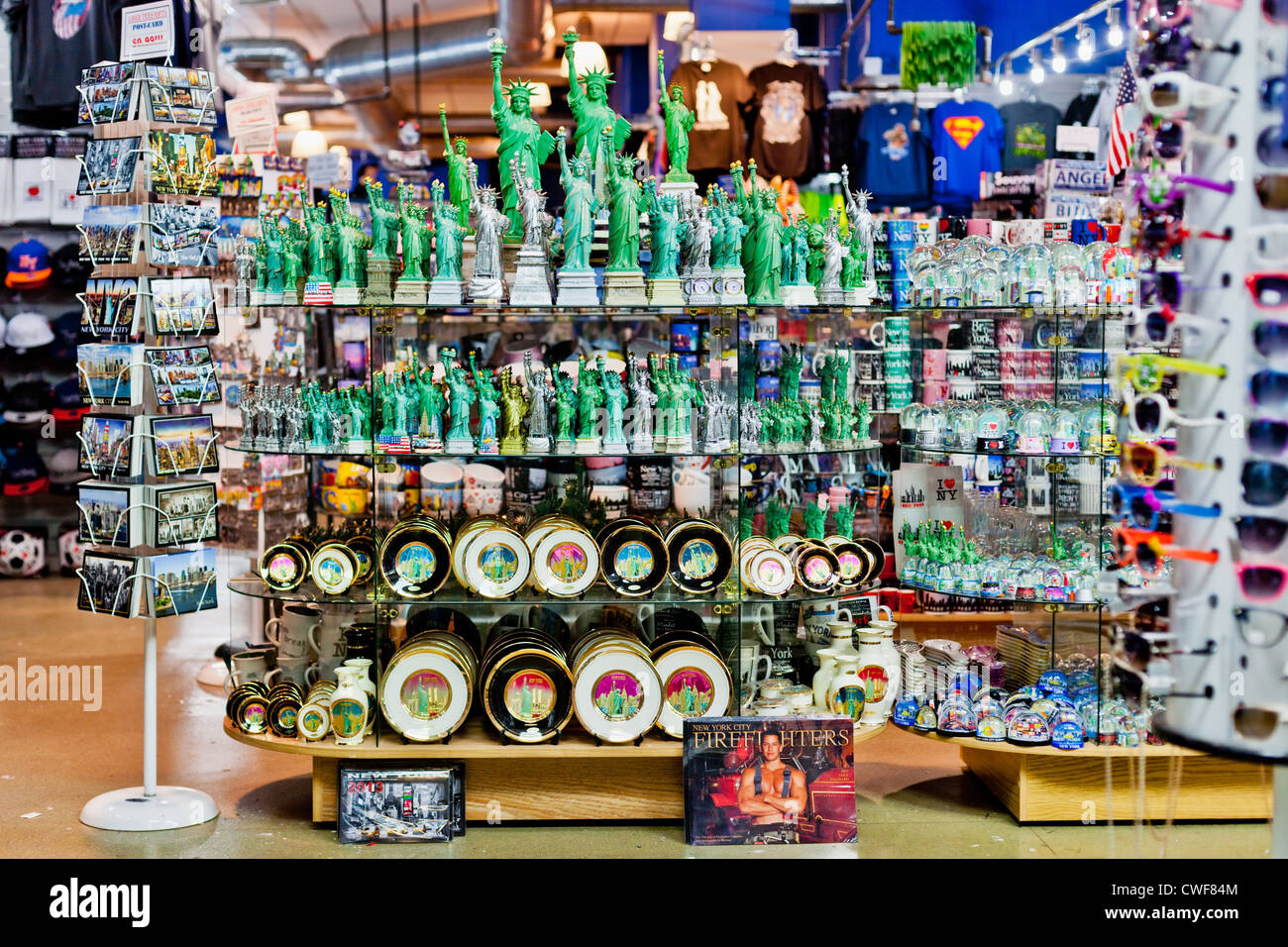
As we’ve seen, souvenir shop near me is more than just a place to buy a quick memento of our travels. It’s a window into the culture, history, and traditions of the local community. Whether we’re shopping online or in person, our choices as souvenir buyers have the power to support local artisans, preserve cultural heritage, and create lasting memories that transcend time and space.
Popular Questions
What is the best souvenir to buy for a friend or loved one?
The best souvenir to buy for someone is one that reflects their interests, personality, or tastes. Consider their hobbies, favorite sports teams, or cultural traditions when selecting a souvenir.

